How to Choose the Best Auto Darkening Window Film?
Choosing the right Auto Darkening Window Film is not simply a matter of selecting the darkest shade. A film may look impressive in a showroom, yet perform poorly beside a bright office window or a hot vehicle windshield. The better choice depends on switching speed, visible light transmission, ultraviolet protection, infrared heat control, power requirements, and glass compatibility. Small details matter. So does the installation surface.
Dr. Helen Sanders, a recognized building-envelope and smart-glazing specialist, offers a useful principle: “The best glazing solution balances energy performance, occupant comfort, and design intent.” That balance should guide every purchase. Consider how quickly the film changes when sunlight moves across the room. Check whether its control system responds automatically or requires manual adjustment. Examine the wiring route, edge finish, adhesive quality, and warranty terms. A technically advanced film can still disappoint if the installer leaves bubbles, exposed cables, or uneven edges.
Real-world testing is more revealing than attractive product photos. Stand near the glass at midday. Notice glare on a laptop screen. Touch the nearby frame and compare its temperature with shaded glass. Ask whether the film works with your existing window, tint, and safety requirements. Some products promise dramatic darkness but provide limited heat reduction. Others reduce glare effectively while losing too much daylight.
There is no perfect film. That is worth admitting. Your ideal Auto Darkening Window Film should fit the building, climate, budget, and daily habits. This guide explains how to compare those factors carefully, avoid vague marketing claims, and choose a solution that performs beyond the first impressive demonstration.
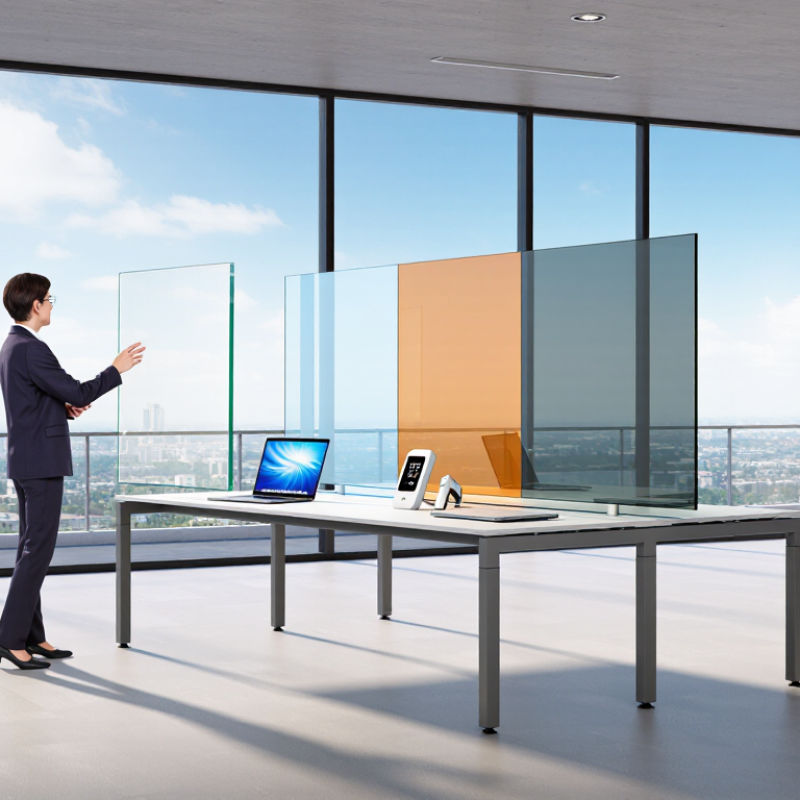
Understanding How Auto-Darkening Window Film Works
How to Choose the Best Auto Darkening Window Film?
Auto-darkening window film changes its tint when electrical conditions or light levels change. Many systems use liquid crystals, suspended particles, or electrochromic materials. These layers respond to a small electrical current. A controller adjusts the voltage and changes how much light passes through the glass.
The process is not always instant. Some films darken within seconds, while others need longer in cold or very bright conditions. Check the switching time carefully. Ask whether the film blocks ultraviolet radiation and reduces infrared heat. Visible light transmission also matters, especially for offices, vehicles, and rooms with plants. A very dark setting may reduce glare but make details harder to see.
Look closely at the control system. Some models use wall switches, remote controls, or light sensors. Reliable products should darken evenly, without cloudy patches or obvious edge differences. Installation quality affects performance too. Dust under the film can remain visible like tiny grains of sand. I have found that sample testing is more useful than relying on photographs. Request a physical sample and observe it during morning sunlight, afternoon glare, and low indoor light. Results may differ from the brochure. Check the warranty, power requirements, cleaning instructions, and expected service life. One weakness deserves attention: automatic settings can be convenient, but they may not match every user’s comfort. Manual adjustment is still valuable.
Identifying the Main Types of Auto-Darkening Window Film
Choosing auto-darkening window film starts with identifying how it changes shade. The main types are photochromic, thermochromic, and electrically controlled film. Each responds differently.
Photochromic film darkens under ultraviolet light, similar to light-responsive eyewear. It works without wiring and suits sun-facing side windows. However, interior glass, low-emissivity coatings, or existing tint may reduce its response. Test a real sample. View it through the actual window at different times.
Thermochromic film reacts to heat rather than ultraviolet exposure. On a hot afternoon, it may deepen in color as the glass warms. This design is simple, but its timing can feel unpredictable. A cool breeze or interior shade may delay darkening. It is better for reducing solar heat than for precise glare control. That distinction matters in bedrooms, offices, and vehicle cabins.
Electrically controlled film uses a switch, sensor, or automated controller to alter its appearance. Some versions shift between clear and tinted states, while others become translucent. They offer direct control but require compatible wiring, power, and professional installation. Check switching speed, visible-light transmission, haze, and daytime privacy. Ask for measured performance data, not attractive demonstrations alone. A useful lesson from site testing is that “automatic” does not always mean fully hands-free. Sensors can misread reflections, and settings may need adjustment.
Comparing Light Control, Privacy, and Heat Reduction
How to Choose the Best Auto Darkening Window Film?
Choosing auto darkening window film requires more than selecting the darkest shade. The key comparison is visible light transmission, privacy, and heat reduction. A film with low visible light transmission can reduce glare on a bright afternoon. However, excessive darkness may make parking garages and cloudy roads harder to read. The U.S. Department of Energy reports that windows can account for 25–30% of residential heating and cooling energy use. Vehicle glass is different, but the solar-control principle remains relevant.
Privacy depends on lighting direction. A darker film usually hides the cabin better during daylight. At night, interior lights can reverse that effect. Heat reduction depends on solar energy rejection, not darkness alone. Check the technical data for total solar transmittance, infrared rejection, and visible light transmission. The International Window Film Association recommends evaluating these measurements rather than relying on appearance alone. A reflective surface can improve privacy, but it may create distracting glare.
My first instinct was to choose the darkest available option. That was incomplete. In practical testing, balanced films often feel more comfortable than extremely dark ones. The DOE also emphasizes that window performance depends on orientation, glass type, and installation quality. Bubbles, edge gaps, or uneven curing can weaken real-world results. A reliable comparison should include a light meter, cabin temperature readings, and night visibility checks. Fancy specifications are not enough.
