How to Choose the Best Fuel Generator for Your Needs?
Choosing the right Fuel Generator can greatly impact your performance in various situations. With the global market for fuel generators projected to reach $5.4 billion by 2026, many consumers are seeking dependable options. These generators are essential for powering homes, businesses, and outdoor activities, especially in emergencies.
When selecting a fuel generator, you should consider power output, fuel type, and runtime. According to the National Fire Protection Association, improper generator usage can lead to serious hazards. Therefore, understanding different generator specifications is crucial for safety and efficiency. However, many buyers often overlook the importance of matching their specific needs with generator capabilities.
Many options exist, and not every generator suits every requirement. For instance, portable models are ideal for recreational use, while larger versions are necessary for backup power at home. Taking the time to assess your needs can prevent costly mistakes. Prioritize reliability and efficiency to ensure you choose the best fuel generator for your unique requirements.
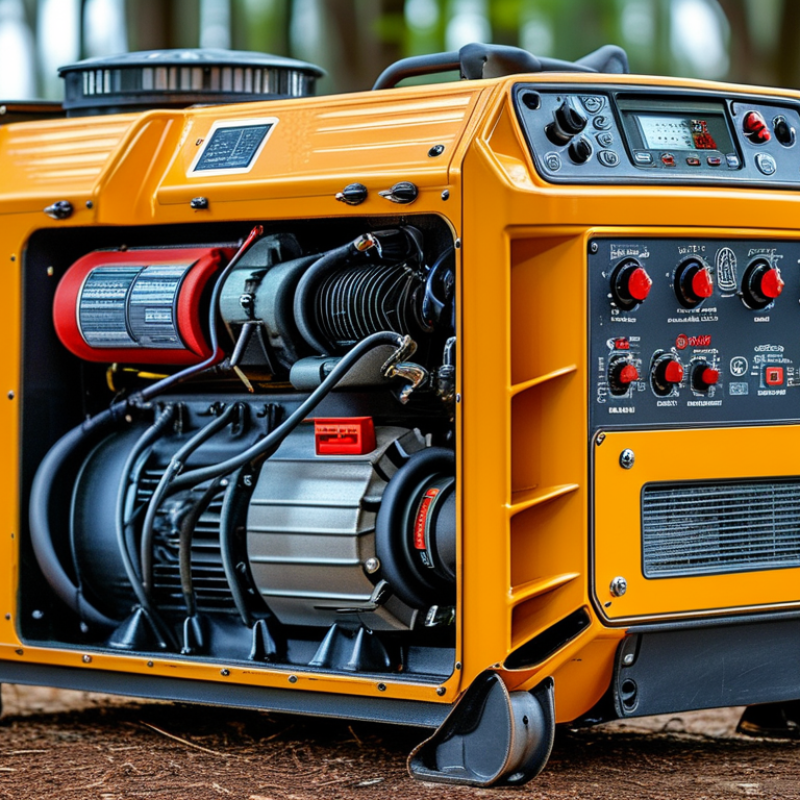
Understanding Your Power Requirements for a Generator
When selecting a fuel generator, understanding your power requirements is crucial. Start by assessing the total wattage needed for your appliances. This includes both running and starting watts. Running watts are the continuous power necessary to operate devices, while starting watts can be significantly higher for equipment like refrigerators and air conditioners. Knowing these figures helps in choosing a generator that can handle your needs without delay.
Next, consider the type of appliances. Will you power tools, home appliances, or emergency equipment? Each category may have different wattage demands. For instance, a power tool might require a stable supply for longer periods, while a few lights may not need as much. Think about the runtime. What would happen if the generator runs out of fuel while you’re using it? Understanding your usage patterns can help ensure you select a generator that meets both your power needs and operational limits.
It's essential to evaluate the fuel type too. Generators run on gasoline, propane, or diesel, each offering varying performance and efficiency. Some people may face challenges in maintenance, which can affect their generator's longevity. Reflect on whether you’re prepared for these responsibilities. Choose wisely, as the right generator will serve you well for years, while the wrong one could lead to frustration.
How to Choose the Best Fuel Generator for Your Needs? - Understanding Your Power Requirements for a Generator
| Type of Generator | Power Output (Watts) | Fuel Type | Runtime (Hours) | Weight (lbs) | Noise Level (dB) |
| Portable Inverter | 2000 - 3000 | Gasoline | 8 - 12 | 50 - 70 | 50 - 60 |
| Standby Generator | 7000 - 15000 | Natural Gas / Propane | 24+ | 200 - 500 | 60 - 70 |
| Recreational Generator | 1000 - 2000 | Gasoline | 6 - 10 | 30 - 50 | 50 - 55 |
| Commercial Generator | 15000 - 30000 | Diesel | 12 - 24 | 500 - 1000 | 70 - 90 |
Types of Fuel Generators: Choosing the Right Type
When considering fuel generators, understanding the various types is crucial. Fuel generators fall into three primary categories: gasoline, diesel, and dual-fuel generators. Each type has unique advantages and limitations. Gasoline generators are popular due to their accessibility and affordability. They are often lighter and easier to transport, making them suitable for recreational use. According to industry reports, over 60% of portable generators sold in the U.S. are gasoline-based.
Diesel generators, on the other hand, are known for their efficiency and longevity. They typically have a higher initial cost but provide better fuel efficiency, especially for longer usage periods. Health and safety regulations also often favor diesel for industrial applications. Research indicates that diesel generators have a lifespan that can exceed 10,000 hours with proper maintenance.
Dual-fuel generators offer the flexibility of using either gasoline or propane. This versatility can be desirable in uncertain supply conditions. However, a common concern is the weight and larger footprint, which may not be ideal for all users. The market's growth in dual-fuel generators indicates a shifting preference among buyers, particularly as environmental awareness rises. Understanding your specific needs and usage scenarios will greatly affect your decision in choosing the right fuel generator.
Comparison of Different Fuel Generators
This chart compares the power output of different types of fuel generators. Gasoline generators provide a power output of 5 kW, while diesel generators can output up to 8 kW, making them more suitable for heavy-duty tasks. Propane offers a balanced output of 6 kW, and natural gas generators provide 7 kW, making them ideal for residential use.
Key Features to Consider in a Fuel Generator
Choosing the right fuel generator involves an understanding of key features that can significantly influence your decision. One crucial aspect to consider is the power output. It’s essential to calculate your power needs accurately. A generator must provide enough wattage to run your devices effectively. Oversizing can waste fuel and increase costs, while undersizing may leave you without necessary power.
Another important feature is fuel efficiency. Different generators consume fuel at varying rates. Models with higher efficiency save money over time. Look for generators that offer longer running times on a single tank. This feature is particularly valuable during outages. Noise levels often go unnoticed until they disrupt your peace. Choose a generator with sound-reducing technology. It ensures you can use it without disturbing your surroundings.
Portability can also be a deciding factor. If you need to move the generator frequently, consider its weight and size. A compact, lightweight model can simplify transportation. Safety features should never be overlooked. Look for options that include automatic shut-off systems. These add an essential layer of security. It’s all about finding the perfect balance between power, efficiency, and safety tailored to your specific needs.
Evaluating Brand Reliability and Customer Reviews
When selecting a fuel generator, understanding brand reliability is crucial. Brands with a long history often have established trust. Look for those that demonstrate consistent performance over time. Assessing customer reviews can reveal common issues and overall satisfaction. A generator may look great on paper, but real-life experiences hold more weight.
Pay attention to feedback on fuel efficiency. Users will often share how much fuel their generators consume. This aspect can greatly impact your operating costs. Don't ignore negative reviews; they often highlight flaws you may overlook. Evaluate the frequency and type of complaints before making your decision.
Gathering information from multiple sources can help build a clearer picture of a brand's reliability. Seek out reviews on independent platforms that discourage biased feedback. Sometimes, a smaller brand may offer exceptional reliability that big names fail to provide. Analyzing varied experiences can lead you to a generator that fits your needs better than others may suggest. Always ponder the lessons learned from past purchasers. Consider how their insights could influence your choice.
Budgeting for Your Fuel Generator Purchase and Maintenance
When budgeting for your fuel generator purchase, consider both initial costs and ongoing maintenance. Prices vary significantly based on features, size, and brand. Researching different generators helps you find a model that suits your needs without overspending. Keep in mind that cheaper models may require more maintenance or have shorter lifespans.
Maintenance costs should also be included in your budget. Regular oil changes, air filter replacements, and inspections can add up. Allocate a portion of your budget for these necessary expenses. Ignoring maintenance may lead to costly repairs down the line.
Consider purchasing additional accessories, like surge protectors. These can protect your investment, but they increase initial costs. Research average annual maintenance expenses for the models you consider. Understanding total cost of ownership is key to making a smart choice.