7 Tips for Choosing the Best Water Tank Filter
Compare 5–10 µm Sediment Prefilters with Finer Treatment Stages
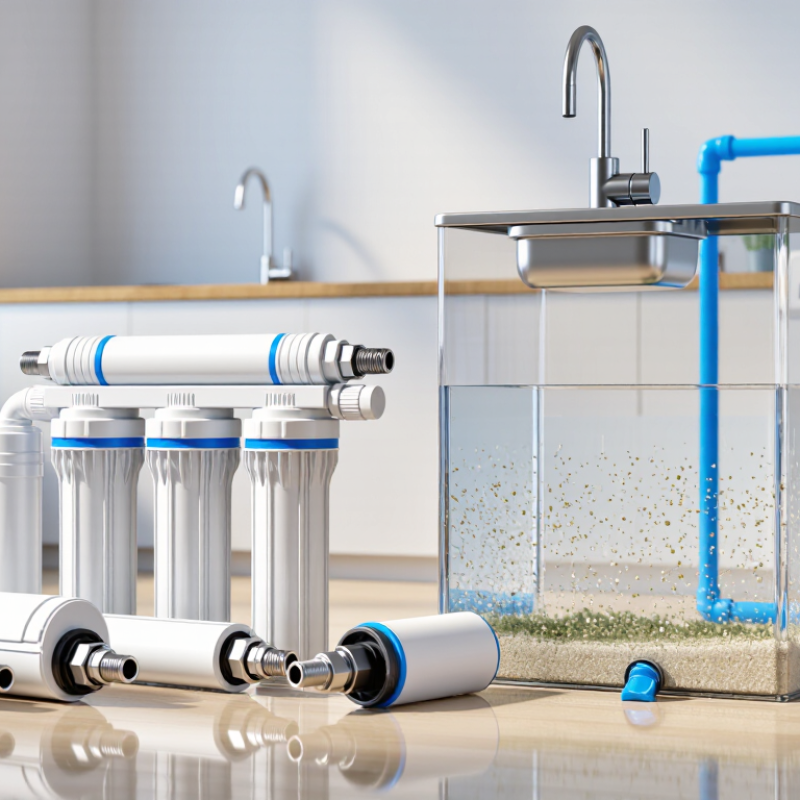
Choosing a tank filter starts with understanding the water, not the product label. Check for sand, rust flakes, cloudy water, and organic debris. A 5–10 µm sediment prefilter is often a practical first barrier. It can reduce visible particles before they reach finer treatment stages. This protects smaller pores from rapid blockage.
Finer stages may target smaller particles, odors, or specific dissolved substances. They should come after sediment removal, not before it. I have seen users install a very fine filter first, then complain about weak flow within days. That experience is common, but not always predictable. Water quality, tank age, and daily demand change the result.
Measure the tank outlet and available pressure. A filter that looks efficient may restrict flow too much. Check the rated flow under realistic pressure, rather than relying on a maximum figure. Replace sediment elements when flow drops, water turns cloudy, or the service interval ends. Do not wait for complete blockage.
A transparent housing can make inspection easier. Yet appearance alone proves little. Keep records of installation dates and pressure changes. Testing the water periodically is wiser than guessing. Some households may need a 5 µm prefilter, while others perform better with 10 µm filtration followed by finer treatment. The “best” setup may need adjustment after real use.