How to Choose the Right Data Center Switch for Your Needs?
Choosing the right Data Center Switch is crucial for your network's efficiency. A well-selected switch can enhance connectivity and support various applications. However, the options can be overwhelming. Manufacturers offer numerous models, each with unique features. Assessing your specific needs is essential for making an informed decision.
Consider factors like speed, capacity, and scalability. You want a switch that accommodates growth while meeting current demands. Performance metrics are vital. Look for switches that provide low latency and reliable throughput. Every choice carries potential risks and benefits. A switch that excels in one area may fall short in another.
Before making a choice, evaluate your network architecture. Understand how a Data Center Switch fits into your existing system. Reflect on your long-term goals. An ideal switch today may not meet your needs tomorrow. This process requires careful thought and analysis. Navigate it wisely to create a robust foundation for your data center.
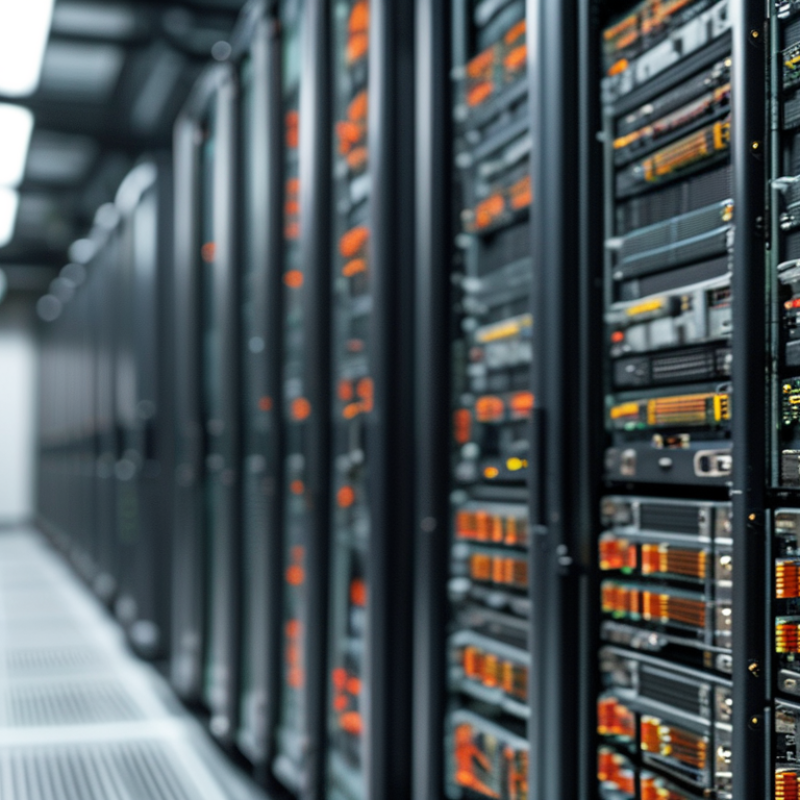
Understanding the Role of Data Center Switches in Networking
In today’s networking landscape, data center switches play a crucial role. They facilitate communication between servers, storage systems, and the wider network. These switches manage data traffic efficiently, ensuring smooth operations. As bandwidth demands increase, understanding their functions becomes vital.
Data center switches often vary in features and capacities. Some support high speeds, while others focus on scalability. Choosing a switch requires evaluating your specific needs. It's essential to consider factors like latency and the intended applications. Monitoring performance can highlight potential weaknesses in your network.
Even with the best equipment, unexpected issues may arise. Configuration errors can lead to bottlenecks or downtime. Recognizing these problems early is critical. Regular assessments of your network’s performance can illuminate areas needing improvement. Each choice reflects your organization’s goals and technical capabilities.
Key Factors to Consider in Choosing a Data Center Switch
When selecting a data center switch, several key factors demand your attention. The switch's performance metrics, such as bandwidth and latency, significantly impact your network efficiency. A switch with high throughput allows smooth data flow and minimizes bottlenecks. It’s crucial to assess the switch’s specifications to ensure it meets your network demands.
Consider the size of your data center. A larger facility may require advanced features like Layer 3 routing capabilities. The scalability of the switch is equally important; it should accommodate future growth without necessitating a complete overhaul. Pay attention to the number of ports and their types. Flexibility in port configurations can add value to your investment.
Tips: Always evaluate your current and future bandwidth needs. Don’t overlook energy efficiency when comparing models. A switch running cooler can also reduce operational costs over time. Keep in mind that ease of management and monitoring can greatly affect your team’s workflow. The right choice will not only align with your requirements but also provide room for necessities you may not have anticipated. Look for user reviews or case studies; they can reveal practical insights that specifications may not cover.
Comparing Different Types of Data Center Switches: A Guide
When selecting a data center switch, understanding the different types is crucial. Each type has distinct features that cater to various needs. For instance, Layer 2 switches focus on data link layer functions. They manage local traffic efficiently but lack advanced routing capabilities. In contrast, Layer 3 switches incorporate routing functions, making them suitable for larger, more complex networks.
Recent industry reports indicate that approximately 70% of enterprises are migrating towards top-of-rack (ToR) switches. These devices allow for higher bandwidth and better management of traffic flow. Meanwhile, spine-leaf architecture is rising in popularity. This design reduces latency and enhances scalability, catering to businesses experiencing rapid growth. Data from industry analysts show that this architecture can handle over 90% of data center workloads effectively.
However, choosing a switch isn't always straightforward. Organizations must assess their traffic patterns and future growth. For example, a switch that works well for one company may not meet another's needs. It's essential to consider factors like throughput, port density, and energy efficiency. Balancing performance with cost-effectiveness can also be a challenging puzzle for many IT managers.
Types of Data Center Switches
This bar chart compares different types of data center switches based on their typical throughput, latency, and scalability.
Evaluating Performance Metrics for Data Center Switch Selection
When selecting a data center switch, performance metrics should play a crucial role. Look for switches with low latency and high throughput. Assess the bandwidth capabilities as they directly impact your network's efficiency. A switch must handle peak loads without slowing down. Monitoring these metrics helps in determining the switch's reliability and scalability.
Tips: Ensure you regularly test and benchmark the switch performance against expected load conditions. This practice reveals potential weaknesses. Staffing or budgeting may limit the ideal setup. A switch that meets your current needs may not suffice as demands grow.
Additionally, consider compatibility with existing infrastructure. If the switch does not integrate well, it creates bottlenecks. Review user experiences and performance reports. Collect feedback from industry peers; it offers valuable insights. Remember, defining your specific needs before making a decision reduces trial and error.
Budgeting and Cost Considerations for Data Center Switch Investments
When investing in data center switches, budgeting is crucial. The initial cost can be substantial. However, ongoing expenses also matter. These include maintenance, power consumption, and potential upgrades. It's essential to analyze total cost of ownership. This analysis helps you make informed decisions.
A lower-priced switch may seem attractive. Yet, it might lack necessary features. Investing in a more expensive, reliable switch can save money in the long run. It can reduce downtime and maintenance costs. Often, efficient hardware pays for itself over time. Consider performance needs carefully.
Plan for future growth as well. Scalability can influence your overall costs. A switch that accommodates growth will eliminate the need for frequent replacements. Weigh initial costs against long-term benefits. This reflection can guide you in choosing wisely. Always keep in mind that the right decision today can save you tomorrow.
How to Choose the Right Data Center Switch for Your Needs? - Budgeting and Cost Considerations for Data Center Switch Investments
| Feature | Description | Cost Range (USD) |
| Port Count | Number of available ports for devices | $1,000 - $10,000 |
| Throughput | Data transfer rate capacity | $2,500 - $25,000 |
| Layer Type | Layer 2 vs Layer 3 switches | $1,500 - $15,000 |
| Power Consumption | Energy efficiency ratings | $500 - $5,000 |
| Management Features | Options for remote and local management | $1,000 - $10,000 |