How to Choose the Right Pole Circuit Breaker for Your Needs?
Choosing the right pole circuit breaker can be daunting. The variety of options available makes decision-making difficult. According to a 2023 report by IEEE, the North American market for circuit breakers is projected to grow by 5% annually. This growth reflects rising safety standards and technological advancements.
Expert John Smith, an electrical engineering consultant, emphasizes, “Selecting a suitable 1 Pole Circuit Breaker ensures safety and system efficiency.” His insights highlight the importance of choosing breakers that match specific electrical needs. Knowing the load requirements is essential. Overlooking details can lead to inefficient operations or hazardous conditions.
Consumers must reflect on their unique situations. The wrong choice may result in circuit failure or increased downtime. Careful consideration of specifications can minimize risks. Ultimately, the decision should combine professional advice and personal requirements for optimal safety.
Understanding the Basics of Pole Circuit Breakers
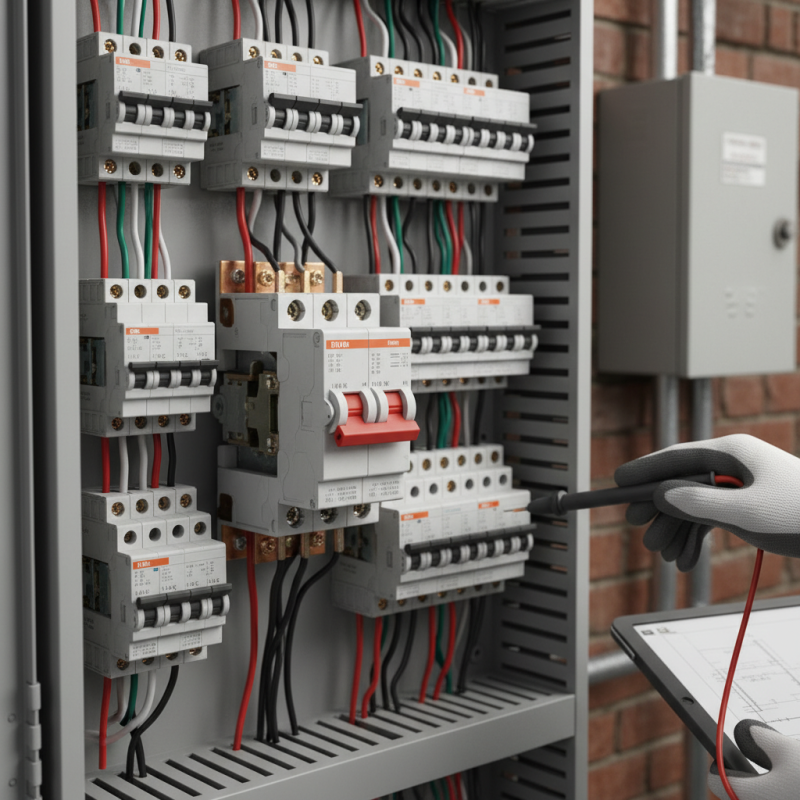
When selecting a pole circuit breaker, understanding its basic functions is essential. A pole circuit breaker helps protect your electrical circuit from overloads and short circuits. It interrupts the flow of electricity when an issue arises, preventing potential hazards. The number of poles also matters. Common options include single-pole, double-pole, and three-pole breakers, each serving different needs.
Tips: Consider the voltage and amperage requirements of your appliances. A mismatch can lead to frequent tripping or inadequate protection. Check the amperage ratings carefully. A breaker must handle the load, but don't exceed it significantly.
Remember, installation and placement are crucial. Ensure these breakers are installed in a dry, well-ventilated area for optimal performance. Don't ignore your home wiring conditions; older homes might have outdated systems needing upgrades. This may require a professional's touch.
The choice of pole circuit breaker can become overwhelming. Ensure you're aware of your power requirements and the environment of installation. Take your time to assess your needs thoroughly. Sometimes, it's wise to consult with an expert for clarity. Decisions made in haste can lead to future complications.
Types of Pole Circuit Breakers and Their Applications
When selecting a pole circuit breaker, understanding the types available is crucial. Single-pole circuit breakers are ideal for small loads. They protect individual circuits, like lighting. A two-pole breaker serves larger appliances, such as electric water heaters. They ensure safety with 240-volt systems.
Three-pole breakers handle three-phase circuits. They are perfect for heavy machinery in industrial settings. The applications vary widely. For example, a four-pole breaker might be used in specialized scenarios to manage both line and neutral connections.
It’s essential to match the breaker type with your needs. Overloading can cause failures. Choosing the wrong type might lead to complications. Sometimes, even a simple installation can lead to issues. Consider your total load before making a decision. You want a reliable solution, but mistakes can happen. Reflect on these factors to ensure safety and efficiency.
Determining the Right Amperage for Your Circuit Needs
Choosing the right amperage for your circuit needs is crucial for safety and efficiency. Start by assessing the total wattage of all devices you plan to use. Calculate the amperage using the formula: Amperage = Wattage / Voltage. This helps determine the breaker size you need. If you plan to add more devices later, consider choosing a breaker with slightly higher amperage.
Tips:
- Always consult circuit requirements.
- Avoid underestimating your needs.
Be cautious. Installing a breaker with too high an amperage can be dangerous. It may not trip during overloads, leading to potential fire hazards. Always prioritize safety over convenience.
When in doubt, reach out for professional help. Understanding your electrical load is essential. Incorrect calculations can lead to failures or damage. Reviewing your circuit needs regularly can prevent costly mistakes and ensure your system runs smoothly.
Evaluating Environmental Factors for Circuit Breaker Selection
When selecting a pole circuit breaker, environmental factors play a crucial role. Temperature variations can significantly affect performance. Circuit breakers have a specified temperature rating, typically ranging from -25°C to 60°C. Exceeding these limits can lead to malfunction or failure. For instance, data from the National Electric Manufacturers Association highlights that over 50% of circuit breaker failures occur due to thermal stress beyond manufacturer specifications.
Humidity and moisture levels are also critical considerations. High humidity can corrode electrical components. A report by the International Electrotechnical Commission states that moisture can lead to insulation failure in circuit breakers, especially in damp environments. Choosing breakers with appropriate sealing and protection ratings will mitigate this risk. Areas prone to flooding or heavy rainfall require additional care in selecting breakers that can withstand moisture ingress.
Furthermore, the presence of dust and contaminants affects performance. Dust accumulation can lead to overheating and eventual failure. According to research by various electrical safety organizations, up to 30% of breaker issues stem from debris in the environment. Regular maintenance and selecting breakers designed for harsh environments can reduce the impact of these factors. Be mindful of your unique environmental conditions. This reflection is vital for ensuring long-term reliability.
Choosing the Right Pole Circuit Breaker - Environmental Factors Assessment
This chart illustrates the impact of various environmental factors on the selection of pole circuit breakers. Understanding these factors is crucial for ensuring safety and functionality in different operating conditions.
Installation Considerations for Optimal Performance and Safety
When choosing a pole circuit breaker, installation plays a crucial role in performance and safety. Ensure you select a location that is easily accessible. This allows for quick interventions during emergencies. Poor placement can hinder your ability to respond effectively. A breaker placed in an inconvenient spot might lead to delays in power restoration.
Wiring is another critical aspect. Use the correct gauge wire for your circuit breaker. A mismatch can cause overheating. Additionally, double-check your connections. Loose or incorrect wiring can result in failures. If problems persist, re-evaluating the installation process may be necessary. It's vital to think about future needs. Anticipate any potential circuit expansions to avoid complications down the line.
Lastly, consider the breaker’s ratings. These should match the intended electrical load. If not, you could overload the system. This can result in frequent tripping. Remember that oversizing can also be an issue. It might not trip when needed. Balancing the ratings requires careful thought. Reflect on these aspects to ensure optimal functionality and safety in your electrical system.