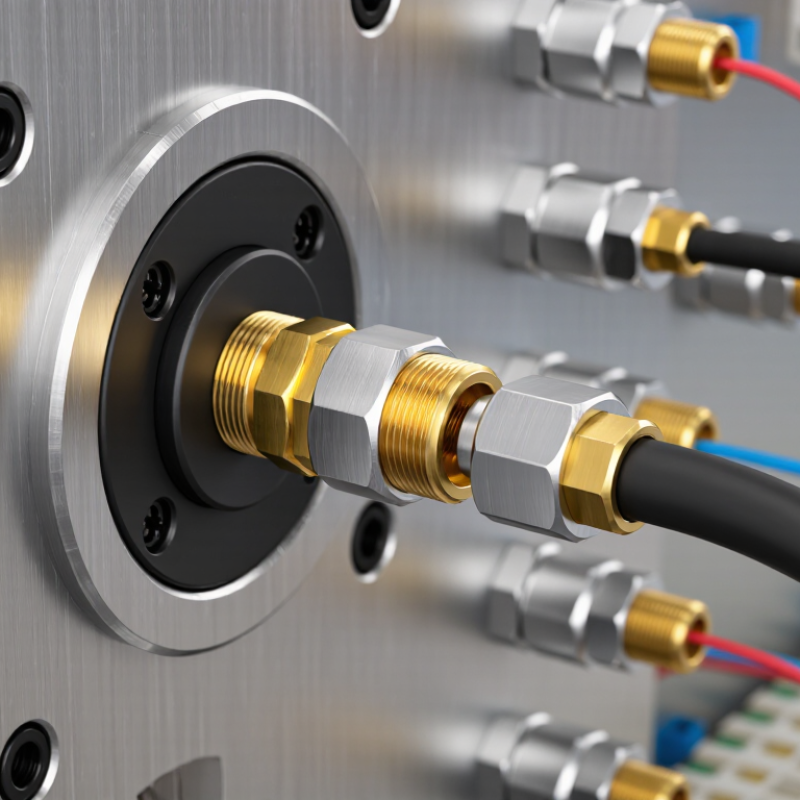
Before choosing an SBMA connector, identify the cable’s exact type, impedance, and outer diameter. The connector must match the cable construction, not just its apparent size. Check the cable datasheet for conductor dimensions, dielectric material, and jacket limits. A close fit can still create poor contact or damage during assembly. Measure twice.
Next, compare the connector’s mating interface with the port on the connected equipment. Confirm the interface designation, contact arrangement, and coupling method in both sets of documentation. Similar-looking interfaces are not necessarily interchangeable. Check operating frequency, impedance, and power ratings across the connector, cable, and equipment; the lowest-rated part may limit the entire path. Small details matter.
Also consider how the cable will sit once connected. Verify port orientation and clearance, especially where equipment is mounted in a tight enclosure. An adapter can resolve a mismatch, but it adds another connection and may affect signal loss or mechanical stability. Avoid sharp bends close to the connector, and follow the specified assembly method rather than forcing a connection that feels tight. If the cable specification or port details are unclear, pause and confirm them before ordering; visual inspection alone can be misleading.