How to Choose the Right Worm Gear Reducer for Your Application?
Choosing the right worm gear reducer is critical for many industrial applications. Experts like John Smith, a renowned gear technology consultant, state, "Selecting a worm gear reducer can make or break your machine's efficiency." This insight is vital when considering torque, speed, and load requirements.
Worm gear reducers are known for their high torque-to-weight ratio and compact design. These features can be beneficial in tight spaces where conventional reducers might not fit. However, the complexity lies in matching the reducer to your specific needs. Understanding the load type and application environment can be challenging, yet it's essential for optimal performance.
It's easy to overlook details in such selections. Factors like material, lubrication, or the mounting position can impact performance. A wrong choice may lead to failures or inefficiencies. Users often report the consequences of not fully analyzing these variables. Taking the time to research and consult can ultimately prevent costly mistakes in the field.
Understanding Worm Gear Reducers and Their Applications
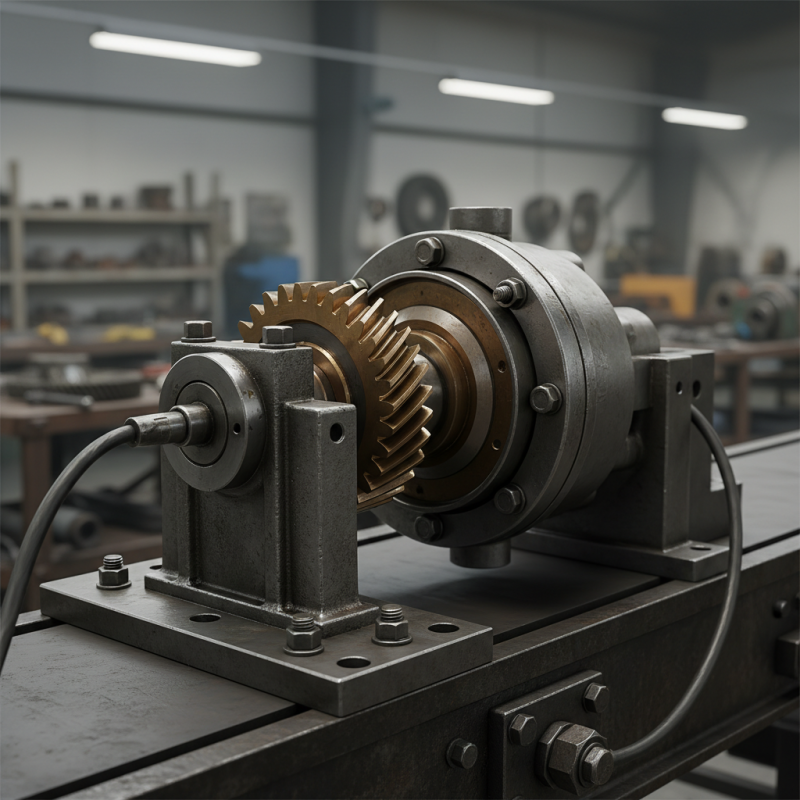
Worm gear reducers are vital in many mechanical systems. They provide high torque and reduce speed efficiently. These devices have a unique helical design that allows for smooth and quiet operation. They are ideal for applications where space is limited. For instance, in conveyor systems, worm gear reducers help maintain smooth movement. Their compact size makes them great for tight installations.
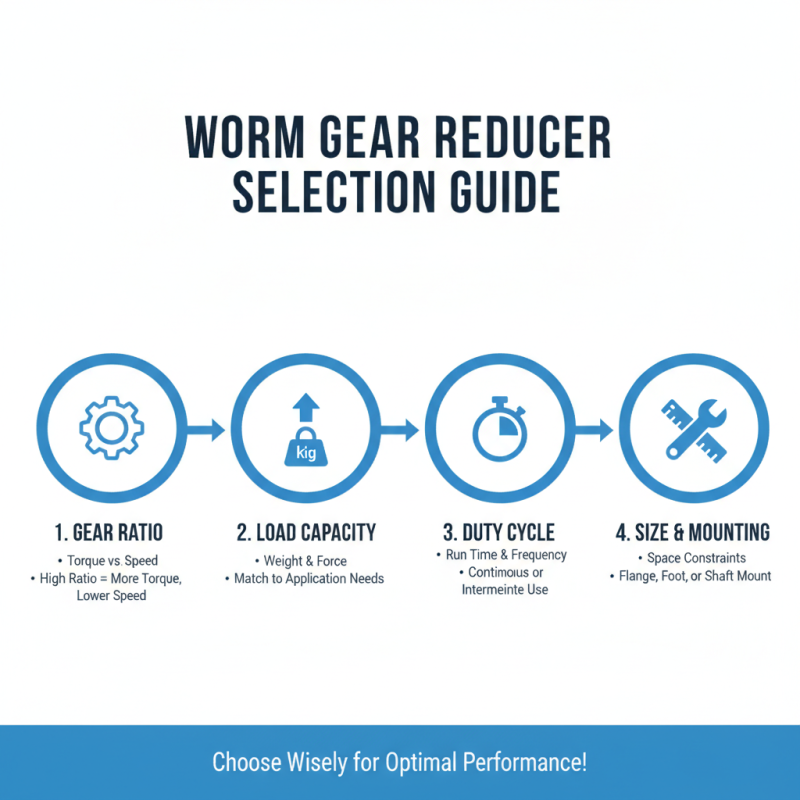
When choosing a worm gear reducer, consider factors like load capacity and speed reduction ratios. Each application has different requirements. Not all reducers are created equal, and some may not suit your needs. It's crucial to evaluate the specific conditions your equipment will face. For example, extreme heat or dust can affect performance. Sometimes, smaller reducers may struggle under heavy loads.
It's not uncommon for users to overlook the importance of proper sizing. A unit that is too small can lead to failures. Similarly, a larger unit may waste energy and incur higher costs. Reflecting on past choices can provide valuable insights. Testing various options can help determine the best fit for your application. Each decision is a step towards achieving optimal performance.
How to Choose the Right Worm Gear Reducer for Your Application?
| Application |
Torque Requirement (Nm) |
Gear Ratio |
Input Speed (RPM) |
Output Speed (RPM) |
Frame Size |
| Conveyor Systems |
100 |
10:1 |
1500 |
150 |
NEMA 56 |
| Packaging Machinery |
200 |
15:1 |
1800 |
120 |
NEMA 143 |
| Textile Machinery |
150 |
20:1 |
1200 |
60 |
NEMA 48 |
| Food Processing |
250 |
25:1 |
1000 |
40 |
NEMA 56C |
| Automotive Assembly |
300 |
30:1 |
1600 |
53.33 |
NEMA 172 |
Evaluating Load Requirements for Your Specific Application
When selecting a worm gear reducer, evaluating load requirements is critical. Every application has unique specifications. Knowing these requirements helps determine the right reducer size and performance. Too often, users overlook this step, which can lead to poor efficiency and equipment failure.
Consider the type of load your application will experience. Is it constant or intermittent? This distinction impacts performance. For instance, fluctuating loads can strain the reducer, while constant loads may allow for a more straightforward choice. Additionally, you need to assess the duration of the load. Short bursts may require a different approach compared to a long-lasting, steady load.
Don’t forget about the environment. Factors like temperature, humidity, and dust can affect durability. It’s easy to assume standard conditions, but each situation is unique. Assessing the environment adds another layer to your load evaluation. Reflecting on these details is crucial for optimal performance and longevity of your worm gear reducer.
Assessing Material and Construction Quality in Worm Gear Reducers
When selecting a worm gear reducer, assessing material and construction quality is crucial. The choice of materials impacts durability and performance. Common materials include steel, aluminum, and plastic. Steel offers strength but can add weight. Aluminum, while lightweight, may not handle heavy loads well. Plastic can be cost-effective but may wear out quickly under stress.
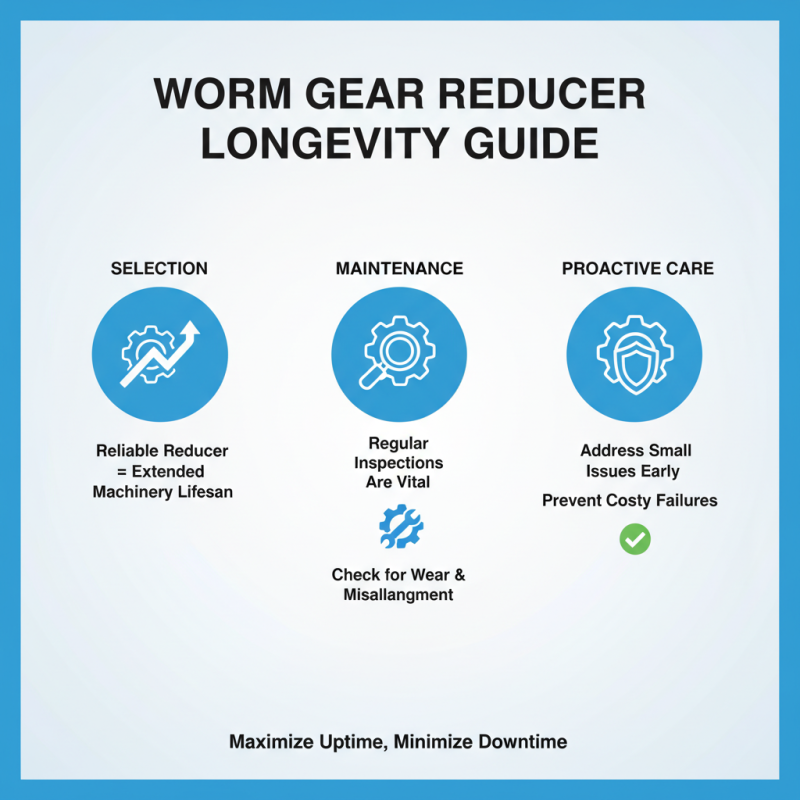
Inspecting construction quality is equally important. Look for precision in machining and assembly. Poorly aligned gears can lead to increased wear and noise. Check for smooth surface finishes. A rough finish can cause friction and overheating. The design should also consider lubrication. Adequate lubrication reduces wear and ensures longevity.
It’s easy to overlook these details in the buying process. Many rush to select based on price rather than quality. This can lead to issues down the line. Reflecting on the trade-offs in material choice and construction quality is essential. Choosing wisely will result in a more reliable and efficient operation.
Material and Construction Quality Assessment in Worm Gear Reducers