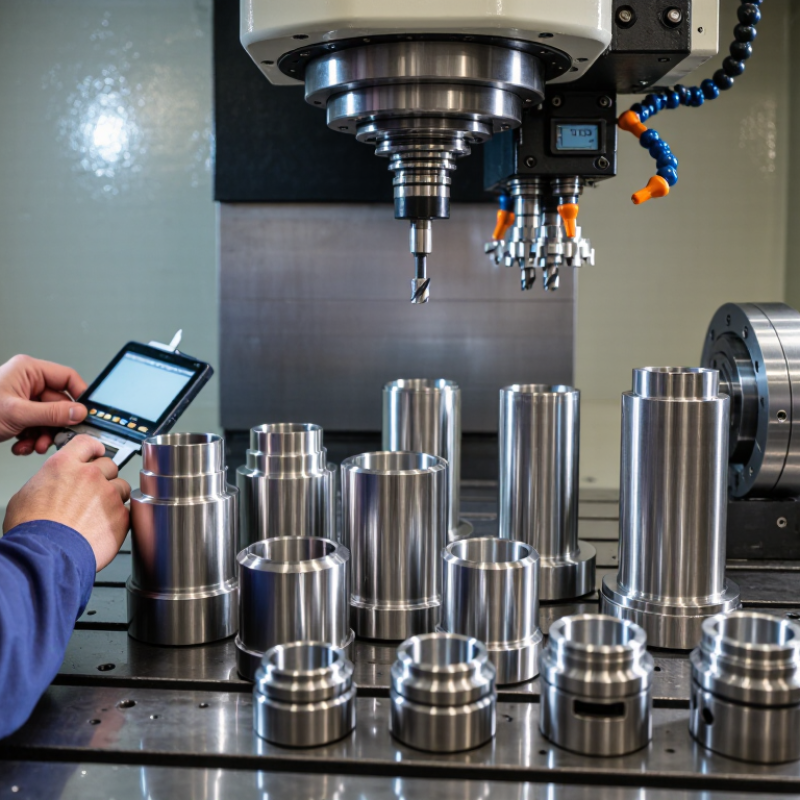
What Are CNC Stainless Steel Parts and How Are They Made?
CNC stainless steel parts are machined components shaped from bars, plates, or forgings. Computer-controlled lathes and mills remove material with measured cutting paths. Common operations include turning, drilling, milling, threading, and surface finishing. Stainless steel supports these processes because it resists corrosion and maintains strength across demanding environments. However, machining it requires careful tool selection, stable fixturing, and controlled heat. Poor settings can create burrs, discoloration, or premature tool wear.
Where Are CNC Stainless Steel Parts Used?
These parts appear in food-processing equipment, medical instruments, chemical systems, marine hardware, and energy infrastructure. Their cleanable surfaces suit pumps, valves, fittings, and conveyor components exposed to moisture or aggressive fluids. The International Stainless Steel Forum reported global crude stainless steel production of about 58.4 million tonnes in 2023. That volume reflects broad industrial demand, although it does not measure CNC machining directly. A 2024 industrial manufacturing outlook from a leading market research group also identified automation, medical equipment, and transportation as major precision-machining application areas.
Small details matter. A threaded stainless connector may sit beside a hot pipe, while a milled bracket may face vibration for years. Engineers must match the alloy to temperature, chemicals, load, and cleaning methods. Austenitic grades often support corrosion resistance, but they can work-harden during cutting. That makes feed control essential. Surface passivation can improve resistance after machining, yet it is not a substitute for correct material selection. The boundary is not always neat. A shiny part can still be poorly designed.