Top Concrete Batching Plant Buying Guide for Global Buyers?
In the ever-evolving construction industry, the demand for reliable Concrete Batching Plants is on the rise. A recent industry report estimated a compound annual growth rate (CAGR) of 5.5% from 2021 to 2028. This indicates that global investments in these essential facilities are growing. Experts like Dr. Samuel Green, a leading figure in concrete technology, emphasize the importance of making informed purchasing decisions, stating, "Choosing the right Concrete Batching Plant can significantly impact project efficiency and cost-effectiveness."
Selecting the right plant is not a straightforward task. Various factors must be considered, such as production capacity, technological compatibility, and maintenance needs. Many buyers overlook details about after-sales support, which is crucial for operational success. Additionally, innovations in automation and eco-friendly practices are reshaping buyer preferences. Reports suggest that nearly 60% of buyers prioritize technology that enhances sustainability.
Investors must also confront the challenges in the marketplace. Price fluctuations and supply chain disruptions can lead to unexpected costs. Reflection on past purchases can be valuable. Understanding specific project requirements enhances decision-making. This guide aims to equip you with essential knowledge for selecting a Concrete Batching Plant that meets both current and future needs.
Understanding Concrete Batching Plants: Types and Functions
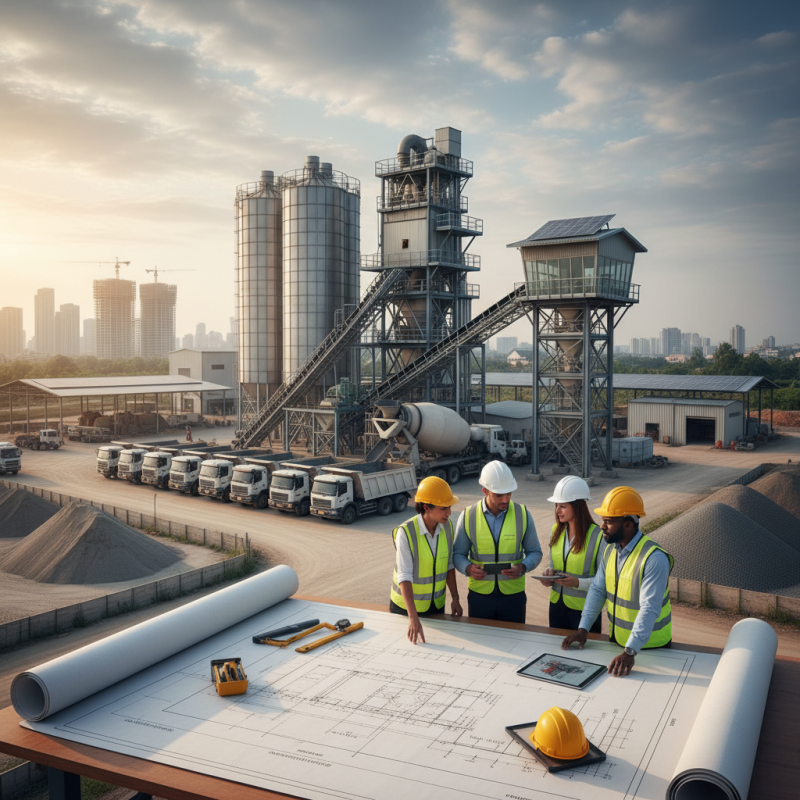
Concrete batching plants play a vital role in the construction industry. They are designed to mix concrete efficiently and accurately. Understanding the various types and functions of these plants is crucial for making informed purchasing decisions.
There are several types of concrete batching plants. Stationary plants are ideal for large projects. They offer stability and high output. In contrast, mobile plants provide flexibility. They can be transported to different job sites easily, allowing for quick setup and operation.
Additionally, there are compact plants that save space. These are perfect for smaller projects where space is limited.
The function of these plants is not just to mix ingredients. They ensure the consistency and quality of concrete. Advanced technology used in modern batching plants improves precision.
However, potential buyers should reflect on their specific needs. It’s essential to consider mixing capacity, automation levels, and space constraints. Each function serves distinct requirements, and overlooking them could lead to inefficiencies in projects.
Key Factors to Consider When Purchasing a Concrete Batching Plant
When purchasing a concrete batching plant, several key factors require attention. Understanding the production capacity is crucial. Determine how much concrete you need to produce daily. A plant with a smaller output might not meet high demands. Additionally, consider the plant’s technology. Modern plants come equipped with advanced automation, improving efficiency and minimizing errors.
Another important factor is the location of the plant. Proximity to raw materials can significantly reduce transportation costs. Evaluate the site conditions as well. A challenging site may require extra costs for installation. Checking local regulations is also essential. These rules can affect the plant's operation and long-term compliance.
Maintenance and support services should not be overlooked. A plant is an investment, and proper upkeep prolongs its lifespan. Assess the availability of spare parts and technical support. Reliable service can save future headaches. Remember, the cheapest option is not always the best. It’s vital to weigh cost against quality and service reliability.
Top Concrete Batching Plant Buying Guide for Global Buyers
| Feature | Description | Importance |
| Capacity | The amount of concrete that can be produced per hour or day. | High |
| Automation Level | The degree to which the plant operates automatically. | Medium |
| Mobility | Whether the plant can be easily transported to different sites. | High |
| Mixing Technology | Type of mixing method used (e.g., twin-shaft mixer, planetary mixer). | High |
| Maintenance | How easy it is to maintain and service the plant. | Medium |
| Warranty and Support | The warranty provided and the level of customer support. | High |
| Energy Efficiency | How much energy the plant consumes during operation. | Medium |
Evaluating the Quality and Durability of Batching Equipment
When evaluating the quality and durability of batching equipment, several factors come into play. The materials used in construction are crucial. High-grade steel and reinforced components often indicate a product built to last. Check if the equipment has been tested under various conditions. Rigorous testing is a hallmark of reliable machinery.
Another significant aspect is the technology used in batching plants. Modern equipment often features advanced control systems. These systems promote accuracy and efficiency, leading to better concrete quality. Regular technology updates can also enhance durability over time.
It's worth noting that not all manufacturers prioritize these elements. Some may cut corners to reduce costs, risking longevity. Research reviews and feedback from actual users. Real-world experiences often reveal shortcomings that specifications might not show. Reflecting on this information can guide you to make an informed purchase decision.
Essential Features and Technology in Modern Concrete Batching Plants
Modern concrete batching plants incorporate several essential features and technologies to enhance productivity and efficiency. One crucial aspect is the automation system. Automated controls allow for precise measurement and mixing, reducing human error. This feature is vital in ensuring consistent output quality. Additionally, real-time monitoring systems can track material usage and optimize the batching process.
Another significant technology is the integration of mobile batching plants. These units provide flexibility for construction sites with limited space. They can easily be transported and set up, minimizing downtime. Energy-efficient designs are equally important. Many new models focus on reducing power consumption while maintaining high output rates.
Safety measures also require careful consideration. Enhanced safety features protect operators in potentially hazardous environments. However, not all plants prioritize this adequately. Buyers should thoroughly evaluate safety records and protocols before making a decision. It's essential to balance efficiency and safety for sustainable operations.
Global Suppliers: How to Choose the Right Manufacturer for Your Needs
When selecting a concrete batching plant, it's vital to research potential manufacturers. Consider their production capacity, technology, and the range of equipment offered. A reliable supplier should have experience in the industry, demonstrating a track record of successful projects. Look for suppliers with positive reviews and case studies that showcase their commitment to quality.
It's essential to assess the after-sales support provided by manufacturers. Will they assist with installation and servicing? Support can often be the determining factor in long-term satisfaction. Additionally, consider customization options. Not all projects are the same, so a supplier that can adapt to your specific requirements is an asset.
Finally, don't overlook the importance of certifications and compliance. A reputable manufacturer should adhere to industry standards and regulations. Transparency in their operations fosters trust. However, it’s crucial to remain cautious. Misleading claims can lead to costly mistakes. Do thorough background checks and seek recommendations before making a decision.