| 1 | Define the project use | Identify whether the sheets are for invitations, scrapbooking, origami, gift wrapping, collage, or packaging. | Flat applications and folded projects can require different flexibility, surface finishes, and sheet weights. | Share a sample of the finished item or describe how the paper will be cut, folded, glued, or printed. |
| 2 | Choose a sheet size | Confirm the finished sheet dimensions and whether sheets need trimming. | Common reference sizes include A4 (210 × 297 mm), A3 (297 × 420 mm), US Letter (8.5 × 11 in), and 12 × 12 in (304.8 × 304.8 mm). | Specify dimensions in millimetres or inches and state the acceptable tolerance. |
| 3 | Select the paper weight | Match the sheet weight to the intended handling, folding, and display requirements. | Paper weight is commonly stated in g/m² (gsm). A higher gsm generally indicates more mass per area, but does not by itself define thickness or stiffness. | Request a physical sample when rigidity or folding performance is important. |
| 4 | Specify the design | Describe the pattern, illustration, motif scale, repeat, and direction of the artwork. | Clarify whether the design is single-sided or double-sided, and whether it must align across adjacent sheets. | Provide a reference image or approved artwork and identify any required colour or layout variations. |
| 5 | Choose colours carefully | Define the colour palette and the level of colour consistency needed between sheets or batches. | Screen appearance can differ from printed colour because displays and print processes reproduce colour differently. | Approve a physical colour proof under suitable lighting before placing a large order. |
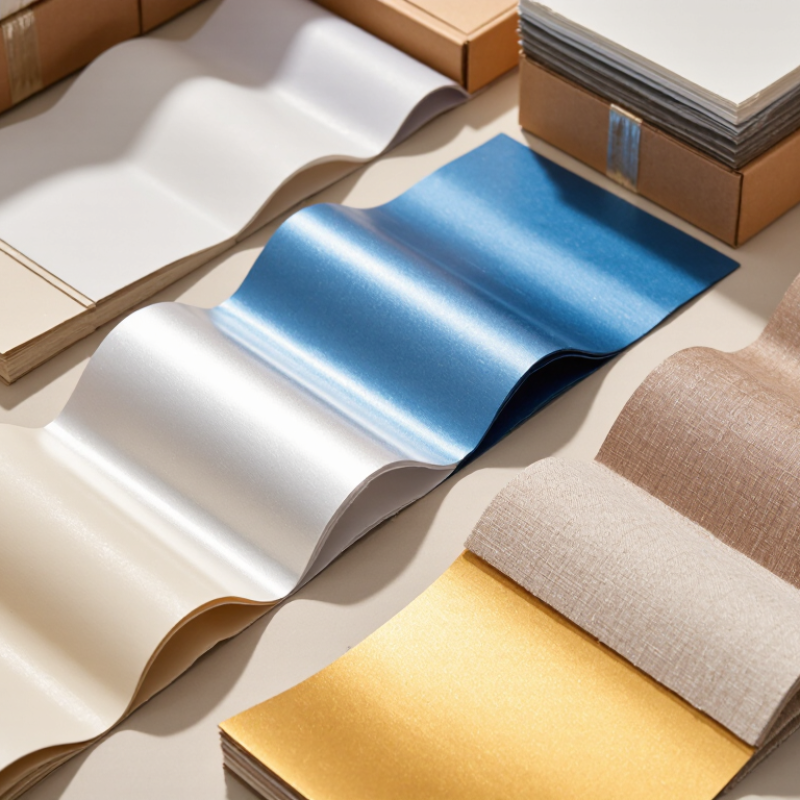
| 6 | Select the surface finish | Choose among finishes such as uncoated, coated, textured, embossed, metallic-effect, or glitter-effect. | Texture and coatings can affect writing, printing, adhesion, folding, and the appearance of reflected light. | Test the intended ink, adhesive, or print method on the selected finish. |
| 7 | Check printing compatibility | Confirm whether the sheets will be printed digitally, with an inkjet or laser printer, or by another process. | Printer limits vary by model and may include maximum sheet size, paper weight, thickness, and feed direction. | Check the printer manual and run a test print before ordering production quantities. |
| 8 | Review material claims | Set requirements for recycled content, fibre sourcing, acidity, or other material attributes when relevant. | Claims such as recycled, acid-free, or responsibly sourced should be supported by product documentation or applicable certification evidence. | Request the exact specification and supporting documents for the paper being quoted. |
| 9 | Plan quantity and packaging | Estimate the number of sheets needed, including allowance for cutting, testing, and defects. | Confirm sheets per pack, packing method, protection from moisture and bending, and whether mixed designs are available. | Ask for the packed dimensions and gross weight when arranging storage or international freight. |
| 10 | Approve a production sample | Check that the final sample matches the agreed size, weight, colour, artwork, and finish. | Inspect several sheets for trimming, surface marks, print registration, and consistency within the sample pack. | Record the approved specifications in the purchase order before confirming production. |