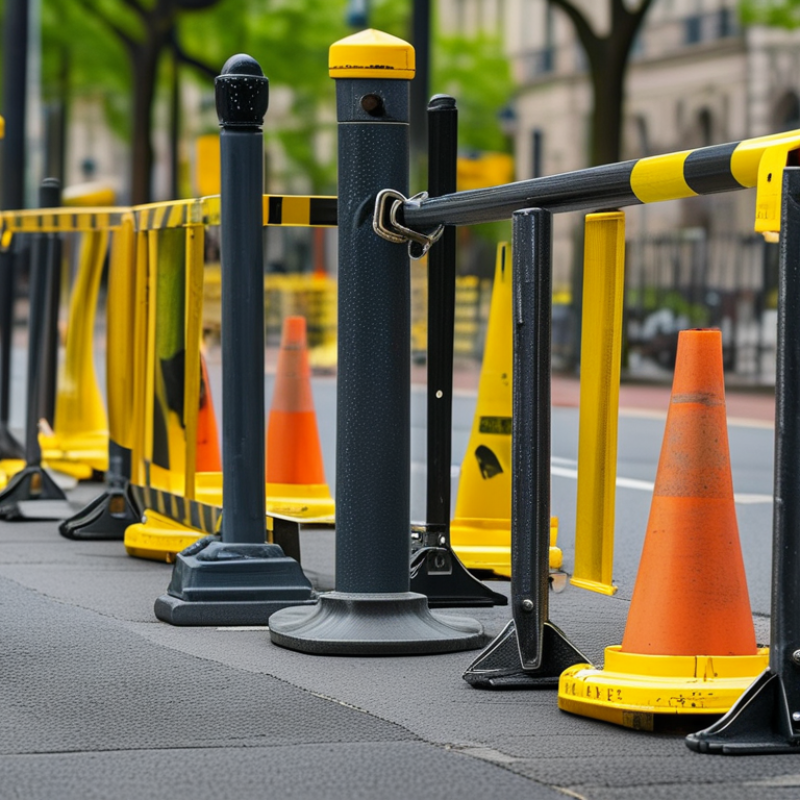
| 1. Assess Purpose | Determine the main function of the bollards (security, traffic control, etc.). | Usage requirements will dictate design features. | Standard, decorative, and collapsible. |
| 2. Material Quality | Select carbon steel with corrosion resistance. | Look for galvanized or powder-coated options. | Galvanized steel, powder-coated, and painted finishes. |
| 3. Height and Width | Choose appropriate bollard height for visibility and function. | Height affects passage and sight lines. | Short, standard, and tall bollards. |
| 4. Installation Method | Surface mount or in-ground options. | Consider installation location and surface type. | Bolted, cemented, or removable mounts. |
| 5. Visual Impact | Choose a design that complements the surroundings. | Bollards can enhance landscaping or architecture. | Modern, traditional, and artistic styles. |
| 6. Illumination | Consider bollards with integrated lights for safety. | Illuminated bollards increase visibility at night. | LED, solar, and electric options. |
| 7. Safety Features | Look for features like reflectivity for added safety. | Reflective strips can enhance visibility. | Reflective, high visibility, and impact-resistant models. |
| 8. Maintenance Requirements | Choose materials and coatings that require minimal upkeep. | Ease of cleaning and upkeep should be considered. | Low-maintenance and rust-resistant options. |
| 9. Budget Considerations | Determine your budget before selecting bollards. | Consider long-term value versus upfront cost. | Economical, mid-range, and premium bollards. |
| 10. Compliance with Regulations | Ensure bollards meet local safety and building codes. | Check for ADA and other regulatory requirements. | Standardized and customized compliant designs. |