Request Quote

Request a quote from Nidec Drive Technology America Corporation.

This quote form is intended for customers and partners in North America seeking information about Nidec Drive Technology America Corporation’s Precision Gearing Technologies. For inquiries related to the Nidec motor group division or from outside this region, please visit the global Nidec Group website to find the appropriate regional or product-specific contact.

Subscribe to Nidec Newsletter

Subscribe to our email newsletter to stay current with our precision gearing solutions, featured products, company updates, and industry news.

10 Essential Tips for Choosing Precision Machine Tools for Your Workshop?

Selecting precision machine tools for your workshop can be a daunting task. The quality of your tools greatly impacts your work. It’s essential to find tools that meet your needs and enhance your craft.

Precision machines offer various features, but quality is not always guaranteed. You might encounter choices that seem perfect but fall short in performance. Keep an eye on the specifications. Understand what you truly need for your projects.

Additionally, consider feedback from other users. Their experiences can guide your decision. Sometimes, it’s easy to overlook small details that make a big difference. Investing time in research pays off. Choosing the right precision machine tools can transform your workshop into a hub of creativity and efficiency.

10 Essential Tips for Choosing Precision Machine Tools for Your Workshop?

Understanding the Importance of Precision Machine Tools in Workshop Efficiency

10 Essential Tips for Choosing Precision Machine Tools for Your Workshop?

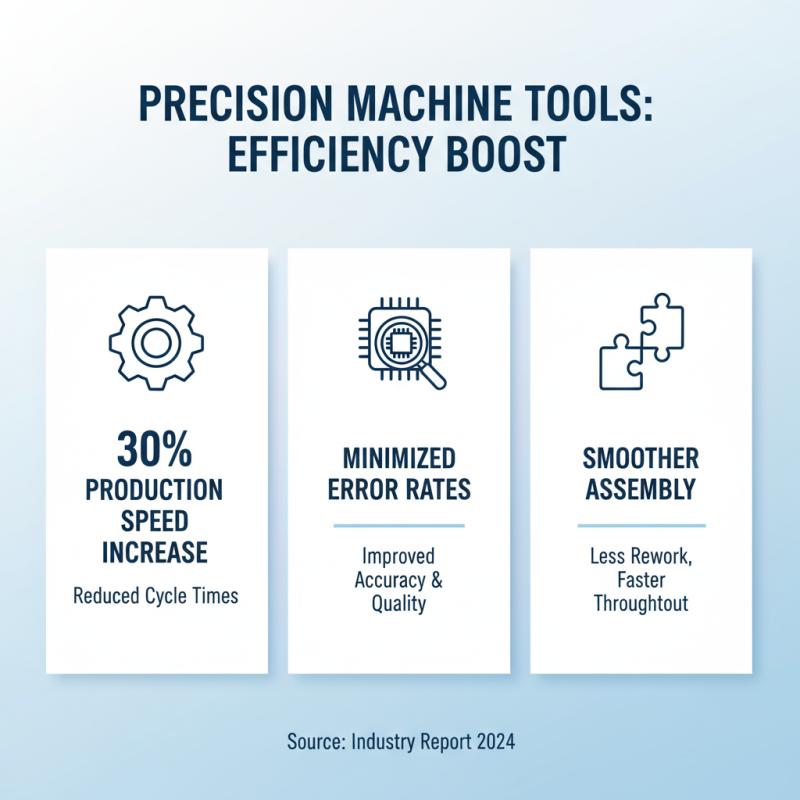
Precision machine tools play a crucial role in enhancing workshop efficiency. According to a recent industry report, companies using high-precision tools have seen a 30% increase in production speed. This elevation often stems from minimized error rates and improved output quality. When components fit together perfectly, the assembly process is smoother, reducing delays and rework.

Understanding the diverse types of precision tools is also significant. Some workshops may focus too heavily on just one type of tool, neglecting others. This can lead to bottlenecks or inefficiencies. Data indicates that lack of versatility can reduce overall productivity by 15%. Choosing a balanced selection allows for versatility and adaptability in various tasks.

Workshops should not overlook maintenance and calibration. Neglecting these aspects can lead to decreased tool performance over time. Research shows that 25% of machine failures are tied to poor maintenance practices. Regular checks and updates are critical. It is essential to ensure that tools remain reliable to maintain the pace of production and quality of work.

Identifying Key Specifications for Precision Machine Tools Selection

When choosing precision machine tools, understanding key specifications is vital. Precision is not just about the tool's capability; it’s about tolerances, durability, and user-friendliness. The material of the machine tool is important. Metals like steel offer strength, while composites provide lighter options. Will your workshop benefit from a heavier machine or a portable one?

Tolerances determine the degree of precision required. This means that you must understand your project demands. If you’re often working with tight tolerances, choose a tool designed for that purpose. Check for rigidity too; flexible tools can yield inaccurate results. Think about the machine's features, like digital readouts and automatic adjustments. These can significantly influence your workflow.

Finally, consider maintenance and support. Some tools may require constant calibration to maintain accuracy. Are you ready for regular upkeep? Reflect on your current workload. Choosing the right tool isn't just about the price. It’s about long-term value and capability. Prioritize your workshop's needs over brand appeal. This approach can prevent costly mistakes down the line.

10 Essential Tips for Choosing Precision Machine Tools for Your Workshop

Evaluating Material Compatibility for Optimal Machine Tool Performance

Choosing the right precision machine tools for your workshop relies heavily on material compatibility. The right tools can significantly enhance machining efficiency and product quality. However, many overlook this critical aspect. A recent industry report shows that improper tool-material choices can lead to a 30% increase in waste and reduced tool lifespan.

One important tip is to match the tool material with the workpiece material. For example, carbide tools work best with hard materials while high-speed steel is suitable for softer metals. This alignment minimizes tool wear and maximizes performance. Remember, not all tools perform well universally. Some may produce subpar results on harder materials, which could frustrate your production goals.

Another consideration is the coatings on the tools. Certain coatings improve performance with specific materials. For instance, titanium nitride coatings enhance hardness and reduce friction, making them ideal for aluminum machining. However, they might not be suitable for every application. It's essential to assess the specific application requirements thoroughly before making investments in tools. A misstep in this area can lead to inefficiencies and increased costs.

Considering Budget Constraints and Long-Term Investment Value

10 Essential Tips for Choosing Precision Machine Tools for Your Workshop?

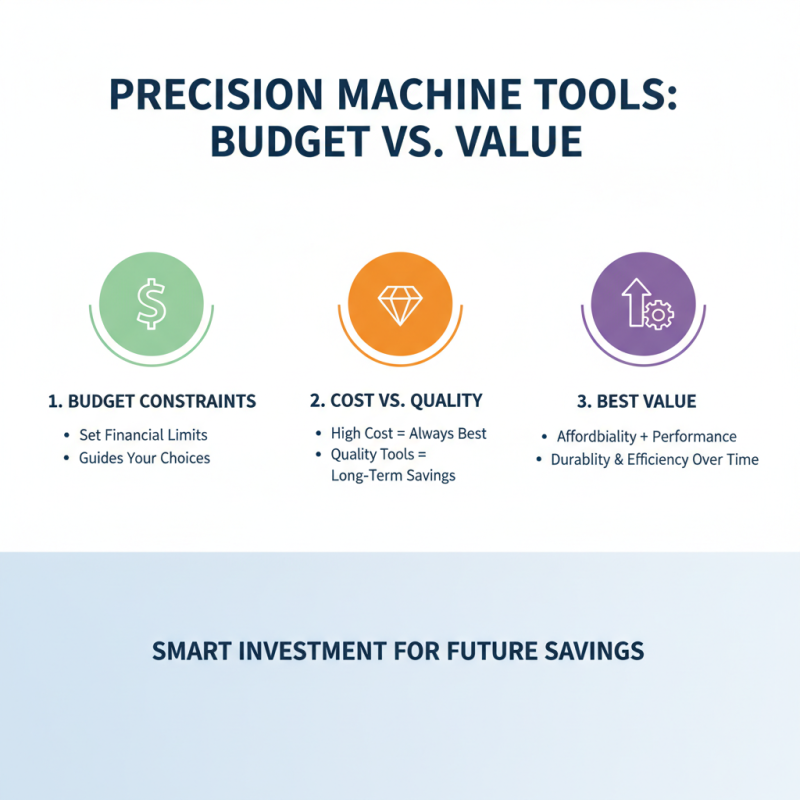
When selecting precision machine tools, budget constraints are crucial. Understanding your financial limits will guide your choices. High-quality tools can be expensive, but they may offer long-term savings. Look for tools that not only fit your budget but also provide the best value over time.

Tip: Determine your workshop's specific needs. This assessment helps avoid overspending on unnecessary features. Tools that seem cheap might require costly repairs later. Consider durability and maintenance costs before making a purchase. A well-made tool can last years, justifying the initial investment.

Tip: Explore used tools. They often provide great value. However, always inspect for wear and tear. Don't let a lower price cloud your judgment. Take time to evaluate condition and functionality. Every choice should focus on the balance between cost and longevity, ensuring you make a wise investment for your workshop.

Researching Manufacturer Reputation and Customer Support Services

When selecting precision machine tools, the manufacturer's reputation plays a crucial role. A company’s history often reflects its reliability. Check online forums and user reviews. They can reveal both positive experiences and hidden flaws. Customer feedback offers insights into durability and performance. Researching different sources provides a balanced view. Don’t overlook the importance of community discussions. Engaging with other workshop owners can be enlightening.

Another key aspect is customer support services. A company may offer great tools but inadequate support. Consider how responsive the manufacturer is to inquiries. Quick communication can make a difference during technical issues. Support can also influence your overall productivity. Remember, you may face challenges. If the manufacturer lacks solid customer service, it could be a serious problem. Assess the availability of training and tutorials too. Sometimes, you need more than just a user manual.

10 Essential Tips for Choosing Precision Machine Tools for Your Workshop

Tip Number Tip Description Manufacturer Reputation Customer Support Services
1 Assess the production quality standards. Check for ISO certifications. 24/7 support availability.
2 Evaluate the range of machine tools offered. Longstanding industry presence. Live chat options for quick assistance.
3 Consider customization possibilities. Positive customer reviews. Responsible warranty offerings.
4 Inspect machine tooling accuracies. Recommendations from peers. On-site training availability.
5 Review safety features and standards. Industry awards and accolades. Technical support documentation.
6 Assess the total cost of ownership. Longevity of machine performance. Ease of obtaining spare parts.
7 Understand the energy consumption rates. Client testimonials on longevity. Follow-up service response time.
8 Ensure compatibility with existing tools. Market presence duration. Comprehensive FAQs on the website.
9 Evaluate the training and resource availability. Conformity to recent innovations. Accessibility of customer service.
10 Make time for adequate evaluation and selection. Proven track record in the market. User-friendly return policies.