What Is a Hardox Liner Used For?
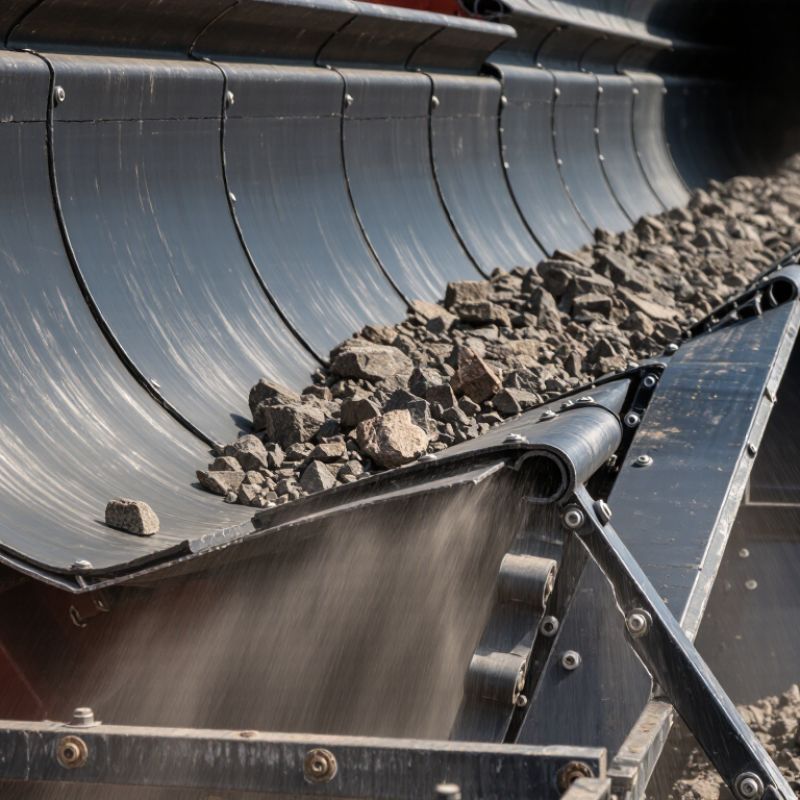
A Hardox Liner protects equipment where abrasive material repeatedly scrapes, strikes, or slides across steel. It is commonly fitted inside dump bodies, hoppers, chutes, and truck beds. Picture crushed rock rattling down a chute: each load can gradually wear the surface beneath it. A properly selected liner helps slow that damage and may extend service intervals.
Its performance depends on more than the steel grade. Material size, impact energy, moisture, liner thickness, and mounting all matter. A liner exposed to sharp, heavy rock faces different conditions from one carrying damp sand. SSAB’s technical guidance emphasizes matching wear plate selection to the application; the grade name alone does not guarantee a long service life. That distinction is easy to overlook.
One practical rule for engineers is: “Choose the liner for the wear conditions, not the label alone.” This is an editorial summary, not a verified quotation from a named expert. No sourced individual quotation was provided, so attributing those exact words to a person would be unreliable. In real installations, engineers also inspect welds, fasteners, and contact points, where wear can concentrate. Small details matter.
A Hardox Liner can reduce repair frequency, but it is not a universal fix. Poor fit, unsuitable thickness, or unexpected impact can still cause early damage. The useful question is not simply whether Hardox steel is tough. It is whether the liner’s design matches the material flow, equipment, and maintenance plan.
Hardox 450 Liner Basics: Its Specified 425–475 HBW Hardness Range
A 450-grade abrasion-resistant liner is specified within a Brinell hardness range of 425–475 HBW. That range describes resistance to indentation, not a promise of identical wear life in every chute or hopper. A liner near the upper end may resist scratching well, but impact, material shape, and sliding distance also matter. Small differences in service conditions add up.
In a transfer chute, for example, sharp stone can strike one area while fine grit steadily scours another. The hardness range helps buyers compare material, but it should sit beside thickness, support, and impact conditions in the specification. Hardness is useful, but easy to overtrust. Check the material certificate and confirm that the stated test method is appropriate. Poorly supported plate can flex, crack, or wear unevenly, even when its hardness falls within range. A practical choice starts with the actual wear pattern, not the hardest number available. That judgment can still be imperfect; site conditions change, and inspection is how assumptions get corrected.
How Abrasion and Impact Wear Determine Liner Placement
A hardened steel liner protects equipment surfaces where moving material gradually removes metal. Its placement depends on the kind of wear at each point. Abrasion occurs when rock, ore, or aggregate scrapes across a surface. Chute floors and hopper walls often face this steady rubbing, especially where material slides along a fixed path. Look for polished streaks, grooves, and thinning plate.
Impact wear is different. It happens when heavy pieces strike a surface, such as beneath a conveyor discharge or inside a crusher feed area. Repeated blows can dent or crack a liner, even where sliding abrasion is modest. That matters. Inspect the drop point and the area around it, not just the most visibly scraped section. A liner suited to abrasion may not be the best choice where impact dominates.
Real equipment usually sees both kinds of wear. A chute may take hard impacts near its inlet, then abrasion farther down as material travels. Placement should follow the wear pattern, material size, flow direction, and maintenance access. Compare inspection notes over time; uneven wear can reveal where material is hitting or changing direction. Measurements are not perfect, and operating conditions shift. Watch the pattern. A practical layout may use different liner thicknesses or coverage zones rather than treating every surface alike.
What Is a Hardox Liner Used For?
Typical abrasion and impact exposure by liner placement
Hardox liners are used to protect equipment surfaces exposed to sliding or impacting bulk material. Chutes and conveyor transfer points commonly face substantial abrasion, while crusher feed zones and truck bodies may experience stronger impacts as well. These ratings are qualitative comparisons, not measured test results; actual wear depends on the material handled, particle size, drop height, and operating conditions.
Where Hardox Liners Are Used: Dump Bodies, Chutes, Hoppers, and Bins
A hard, abrasion-resistant steel liner protects equipment where heavy material slides, drops, or scrapes against the working surface. In dump bodies, it helps limit wear from rock, demolition debris, and aggregate. Material still causes damage, but a replaceable liner can keep the body plate from wearing through as quickly. Fit matters. Gaps around seams can trap fines, while loose fasteners may create raised edges that catch material.
Tips: Match liner thickness to the material and impact level. Check seams and fasteners during routine inspections. Small gaps matter.
Chutes need liners at impact points and along areas where material changes direction. In hoppers, the liner can shield sloped walls from abrasive flow, though surface condition also affects how smoothly material moves. Bins often benefit from protection near discharge openings, where repeated flow concentrates wear. Measure the equipment before cutting or fitting plates; a slightly wrong panel can interfere with gates or leave vulnerable corners exposed. Liners add weight, too, so the supporting structure and attachment method deserve careful review. It is easy to focus on hardness and overlook those details.
Where Wear-Resistant Steel Liners Are Used: Dump Bodies, Chutes, Hoppers, and Bins
| Equipment | Typical Material Handled | Main Wear Exposure | Purpose of the Liner | Common Design Considerations |
| Dump bodies | Rock, gravel, demolition debris, ore, and other bulk loads | Impact during loading and sliding abrasion as material is discharged | Protects the body floor and sides from wear and can help material slide out more readily. | Plate layout, impact zones, body weight, weld details, and the material’s tendency to stick or bridge |
| Transfer chutes | Aggregate, coal, mineral ores, and recycled materials | Repeated material impact at transfer points, followed by sliding abrasion | Shields chute surfaces where falling or moving material causes concentrated wear. | Impact angle, material drop height, flow direction, access for inspection, and replaceable wear panels |
| Hoppers | Sand, gravel, crushed stone, grain, and powdered or granular products | Sliding abrasion along sloped walls; local wear may occur near outlets | Helps protect the hopper walls and maintain reliable material flow. | Wall slope, outlet size, moisture, material cohesiveness, and the risk of bridging or buildup |
| Storage bins | Bulk solids such as minerals, aggregate, and industrial by-products | Abrasion during filling, storage movement, and discharge | Provides a replaceable wear surface in areas exposed to frequent material contact. | Expected wear zones, bin geometry, supports, fastening or welding method, and maintenance access |
Liner material, thickness, and attachment method should be selected for the specific material, impact conditions, equipment design, and maintenance requirements.
How to Select Liner Grade and Thickness for the Wear Conditions
Selecting a liner grade starts with identifying the dominant wear mechanism. Fine, fast-moving particles often cause sliding abrasion; large rocks can create impact and local gouging. Some chutes face both. Watch the material stream, not just the equipment label. Moisture may make ore stick, then slide across the plate. Small details matter.
Harder steel can resist abrasion well, but maximum hardness is not automatically the best choice. Where heavy pieces repeatedly strike, prioritize a grade with suitable toughness to reduce cracking risk. Choose thickness by considering impact energy, material flow, expected service life, and the liner’s support. A thicker plate may last longer, but it also adds weight and can complicate installation. Check the structure’s capacity before specifying it.
Use operating records or measure plate loss during inspections to estimate wear rate. Measure it. Compare the results across high-wear zones; a chute’s inlet may wear much faster than its outlet. Then confirm grade and thickness against current material data and the fabricator’s recommendations. A neat calculation can still miss uneven loading or unexpected impact. Leave room for a trial and recheck after service.
How Cutting, Welding, and Installation Affect Liner Performance
An abrasion-resistant liner performs only as well as its edges and joints. Cutting shapes the plate, but excessive heat can distort it or affect the edge. Use the cutting method and parameters specified for the steel grade. Remove slag, burrs, and sharp notches before fitting. A clean edge matters. Small defects can become crack starters under repeated impact.
Welding needs careful preparation. Clean the joint, use compatible filler metal, and follow a procedure suited to the plate thickness and grade. Preheat and interpass temperatures should come from the steel supplier’s guidance, not guesswork. Control the weld sequence to limit distortion, and avoid oversized welds that add heat without improving the joint. It is easy to blame the steel when the real issue is a poor seam.
Fit is not cosmetic. The supporting surface should be sound and reasonably flat, with no trapped debris or avoidable gaps behind the liner. Misaligned plates can create raised edges that catch material and wear quickly. Secure the panels evenly, and check fasteners or welds after installation. A final visual inspection helps, though it cannot predict every impact or loading condition.
