2026 How to Choose the Right Gear Reducers for Your Needs?
Choosing the right gear reducers is crucial for optimal performance. Industry expert, John Harrington, once said, "Selecting the right gear reducer can make or break your project." This highlights the importance of understanding your specific needs.
Gear reducers come in various shapes and sizes. Each type serves different purposes. Errors in selection can lead to inefficiency and increased costs. For example, using an oversized gear reducer can waste energy. Conversely, a size too small could lead to failure.
Careful consideration of these factors can enhance productivity. Manufacturers must assess their machinery requirements. An informed choice can yield better results. Mistakes often stem from a lack of information. Research is essential to prevent these missteps. Taking the time to understand gear reducers is well worth the effort.
Understanding Gear Reducers: Types and Their Applications in Industry
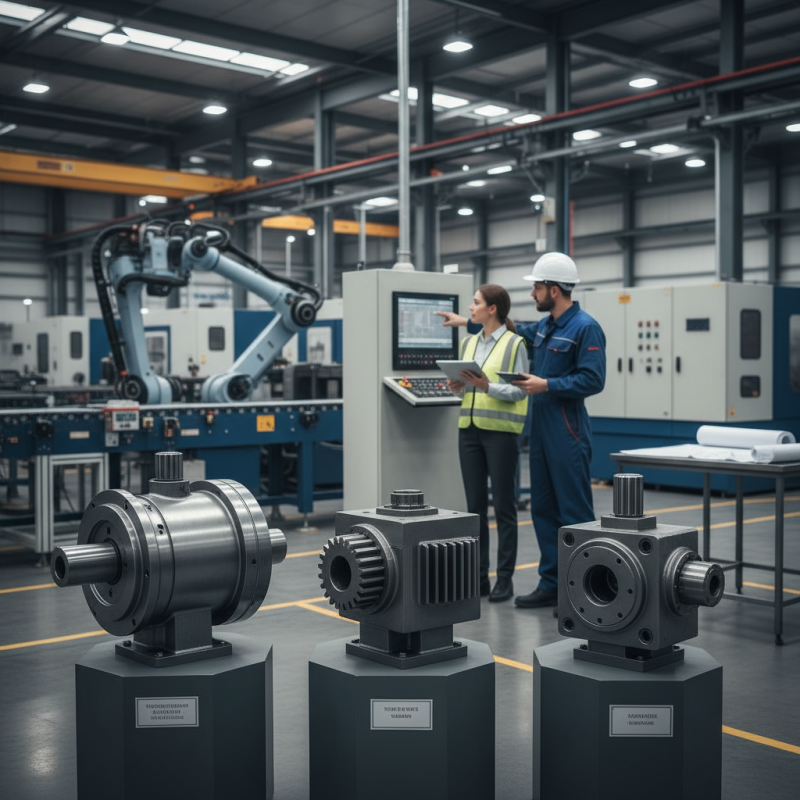
When selecting gear reducers, understanding their types and applications is crucial. Gear reducers come in various forms, including bevel, worm, and planetary gears. Each type has specific advantages that can suit different industrial needs. For instance, bevel gears are excellent for right-angle applications, while worm gears provide high torque and compact design. Planetary gears offer high efficiency and load capacity for demanding tasks.
**Tip:** Assess your space constraints. Some designs fit tighter spaces better.
Look at the application too. For example, if you need precise speed control, planetary gear reducers are ideal. They handle high-load conditions well, but they can be expensive. Worm gears, on the other hand, are cheaper but may not provide the same durability.
**Tip:** Don’t forget to consider maintenance. Some types need more upkeep than others.
Choosing the right gear reducer can often feel overwhelming. The options seem endless, and each has its quirks. Reflect on your specific requirements. You might overlook a perfect fit while focusing on popular choices.
2026 How to Choose the Right Gear Reducers for Your Needs? - Understanding Gear Reducers: Types and Their Applications in Industry
| Type of Gear Reducer |
Advantages |
Common Applications |
Torque Range (Nm) |
Efficiency (%) |
| Spur Gear Reducer |
Simple design, high efficiency |
Conveyors, pumps, fans |
10 - 1000 |
95 - 98 |
| Helical Gear Reducer |
Smooth operation, lower noise levels |
Industrial machinery, robotics |
20 - 2000 |
94 - 97 |
| Bevel Gear Reducer |
Compact design, high torque capabilities |
Automotive applications, elevators |
50 - 5000 |
90 - 95 |
| Planetary Gear Reducer |
High torque density, compact size |
Wind turbines, robotics |
30 - 15000 |
92 - 96 |
| Worm Gear Reducer |
High reduction ratios, self-locking |
Conveyor systems, lifts |
5 - 500 |
85 - 90 |
Key Metrics for Evaluating Gear Reducers: Torque, Efficiency, and Ratios
When selecting gear reducers, key metrics play a significant role. Torque is one of the most critical factors. It measures the turning force the gear can handle. Higher torque means better power transmission. However, considering only torque can be misleading. You must balance it with efficiency and the intended application.
Efficiency is another vital metric. It indicates how well the gear reducer converts input energy to output energy. A high-efficiency gear reducer wastes less power, which is crucial for energy savings. Look for datasheets that provide clear efficiency ratings. Yet, remember that manufacturers may define efficiency differently, which can lead to confusion.
Ratios are essential as well. The gear ratio relates input speed to output speed. A higher ratio means more speed reduction but less output speed. It’s a delicate balance. Choosing the wrong ratio can lead to performance issues. Think about your specific needs and application environment to make an informed decision. Testing different setups can uncover unexpected challenges. Each metric requires careful consideration and may not yield clear-cut results at first glance.
Choosing the Right Material for Gear Reducers: Durability and Performance
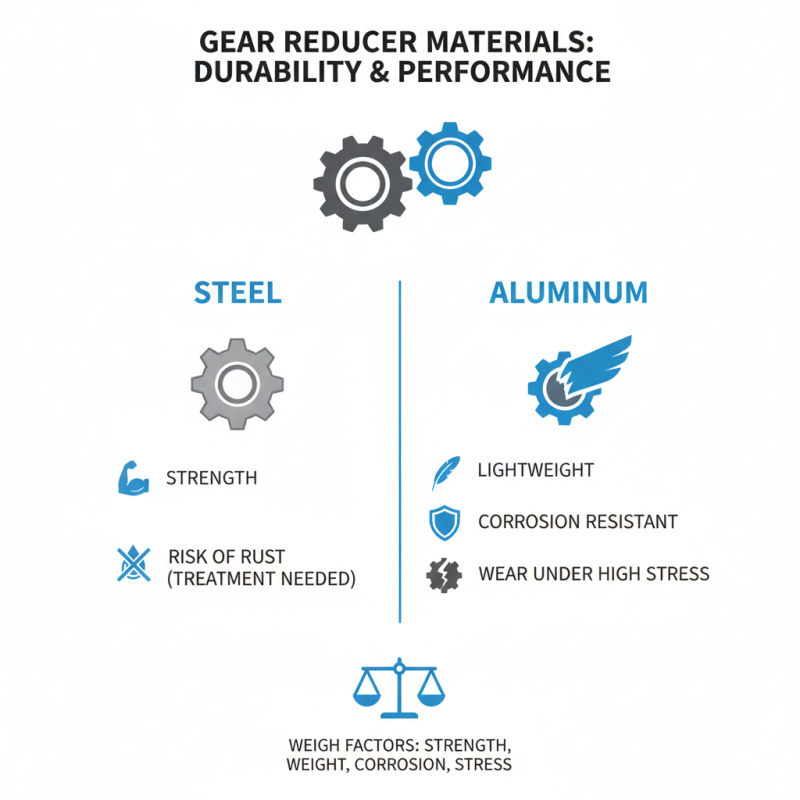
When selecting gear reducers, material choice plays a crucial role in both durability and performance. Various materials offer different benefits and drawbacks. Steel, for instance, is renowned for strength but may rust without proper treatment. Aluminum is lightweight and resistant to corrosion, yet it can wear faster under high stress. It’s essential to weigh these factors carefully.
Another aspect to consider is the environment where the gear reducer will operate. High temperatures or exposure to chemicals can impact performance. Some materials may degrade quicker in harsh conditions. Therefore, understanding the working environment is vital for making an informed choice.
Many forget to revisit their choices over time. A gear reducer that seemed perfect a few years ago might not withstand new demands. Regular assessments can reveal unexpected flaws, leading to costly replacements. Reflecting on past decisions is important for future success.
Sizing Gear Reducers: Calculating Load Requirements and Safety Factors
When selecting gear reducers, sizing is crucial. Calculating load requirements ensures your system operates efficiently. Start by determining the maximum load your application will handle. Consider both static and dynamic loads. This approach helps avoid under or over-sizing.
Don't forget safety factors. They account for unexpected changes in operation. A common guideline is a safety factor of 1.5 to 2 times the calculated load. This can prevent gear failure or reduced lifespan. Adjusting these values requires careful thought. Too low might lead to breakdowns. Too high can waste resources and increase costs.
Gather data on operating conditions. Look at speed, torque, and environmental factors. Each element influences the gear reducer's performance. It's tempting to go with gut feelings, but precise calculations matter. Reflect on past mistakes. Ensure you’re not overlooking critical details. Seek advice if you're uncertain. This process is about precision and thoughtful selection.
2026 Gear Reducers Load Requirements and Safety Factors
Cost Considerations and Long-Term Value of Gear Reducers in Projects
When selecting gear reducers, the cost considerations are critical in project budgeting. According to industry reports, effective gear reducers can range from $300 to $3,000. This variance largely depends on specifications like torque requirements and material quality. Investing in higher-quality speed reducers can lead to significant savings over time, reducing maintenance costs and downtime.
For project managers, understanding the total cost of ownership (TCO) is vital. A cheaper product might seem attractive initially but could lead to costly repairs or replacements. Studies indicate that a well-centric gear reducer may cut down operating costs by 15% over its lifespan. This is significant for companies aiming for efficient operations.
Tips: Always assess the specific needs of your application. Ask for technical specifications and potential long-term benefits. Consider scalability, as future needs may differ from current ones. Evaluate the feedback from professionals who have faced similar challenges. Learning from their experiences can save you money and time. Be cautious of trends that seem too good to be true; reflect on past decisions and their outcomes.