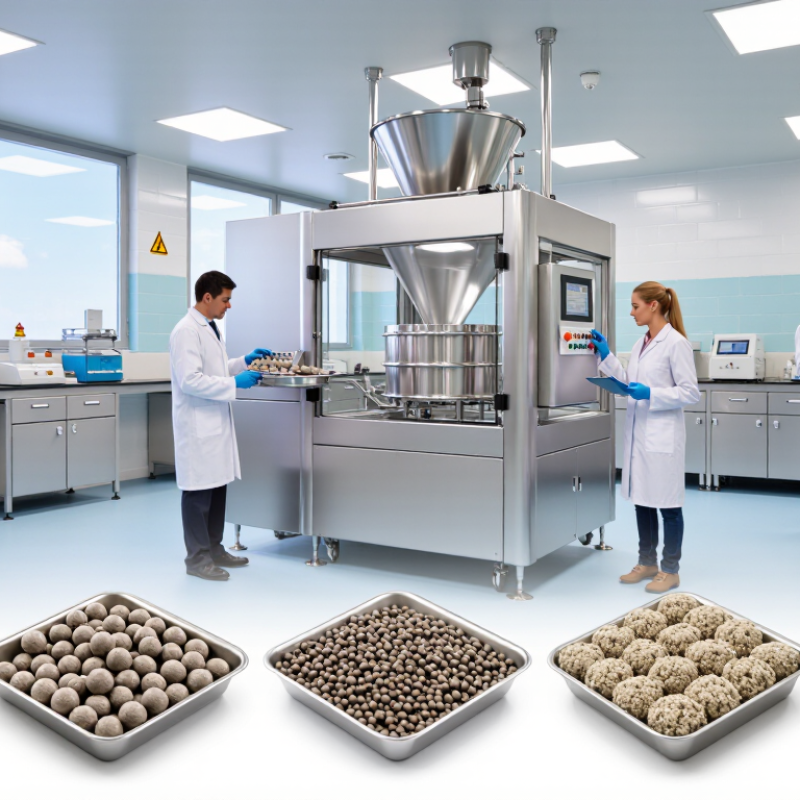
Choosing a granulator starts with the material, not the machine’s appearance. Identify hardness, moisture, temperature, and the required particle size. A soft polymer needs different cutting conditions than a brittle compound. Record the expected hourly throughput, because overloaded equipment creates heat, vibration, and uneven granules. Ask for a controlled material trial before purchasing. Small samples can reveal feeding problems that specifications may hide.
Operation should begin with an empty chamber and a stable feed rate. Never force large lumps through a narrow inlet. Watch motor current, vibration, temperature, and granule shape during production. Unusual noise often appears before serious damage. Operators should use guards, emergency stops, and approved protective equipment. Clear instructions matter, but practical training matters more. A confident operator may still make a poor adjustment.
Maintenance requires a written schedule and careful records. Inspect blades, screens, bearings, belts, and fasteners at planned intervals. Clean the chamber after compatible production runs, especially when residue can harden. Replace dull blades instead of increasing motor power. That shortcut usually wastes energy. Isolate power before opening the cutting chamber, and verify zero movement. No choice is perfect. A trial may expose an overlooked weakness, which is useful. Recheck the machine after several weeks, because real production rarely matches the first test.