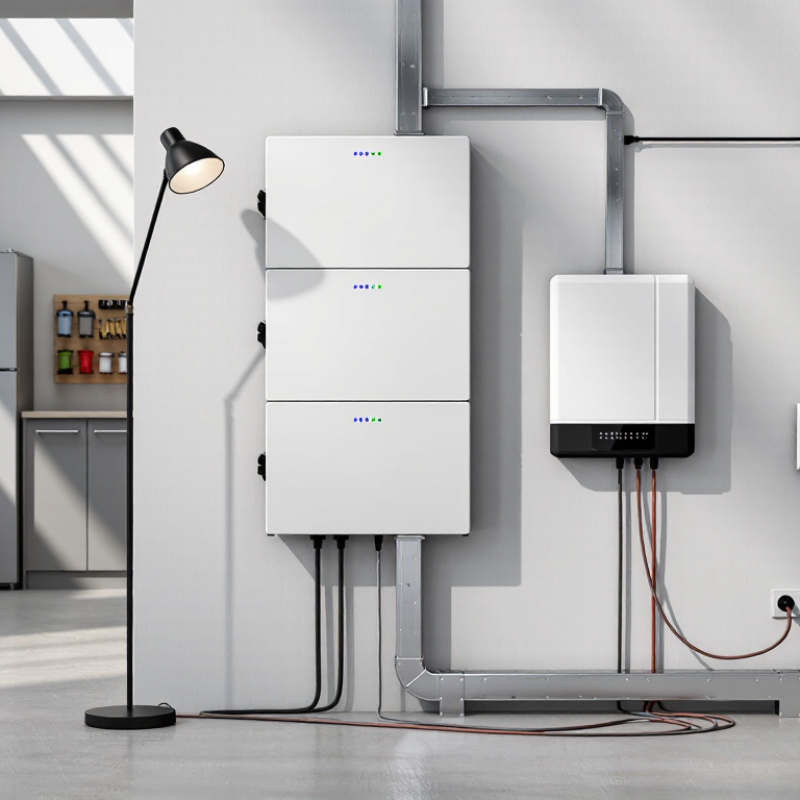
Choosing a modular power wall begins with measured household demand, not its advertised capacity. The U.S. Energy Information Administration reports that residential customers used an average of 10,791 kilowatt-hours in 2022, or about 899 kilowatt-hours monthly. That figure is a reference, not a sizing plan.
Compare a full year of electricity bills and note seasonal peaks, especially air-conditioning or electric heating. If your utility offers hourly usage data, use it to identify when demand rises.
Then list the circuits you actually need during an outage: refrigerator, lights, internet router, and essential medical equipment. Record each load’s running watts and expected hours of use. Add starting surges; a refrigerator can briefly draw more power when its compressor starts.
Power and stored energy are different limits. Kilowatts describe what can run at once;
kilowatt-hours describe how long it can run.
EIA reliability data show U.S. customers averaged 5.5 hours of interruptions in 2022, excluding major events. Your local outage history may be very different. A neat spreadsheet can still miss real habits, like opening the refrigerator repeatedly or using a kettle at the wrong moment.
These estimates are imperfect. Leave a practical reserve, and check that the system can support both your peak load and the backup duration you expect.