Request Quote

Request a quote from Nidec Drive Technology America Corporation.

This quote form is intended for customers and partners in North America seeking information about Nidec Drive Technology America Corporation’s Precision Gearing Technologies. For inquiries related to the Nidec motor group division or from outside this region, please visit the global Nidec Group website to find the appropriate regional or product-specific contact.

Subscribe to Nidec Newsletter

Subscribe to our email newsletter to stay current with our precision gearing solutions, featured products, company updates, and industry news.

How to Choose Silicone Windshield Wipers?

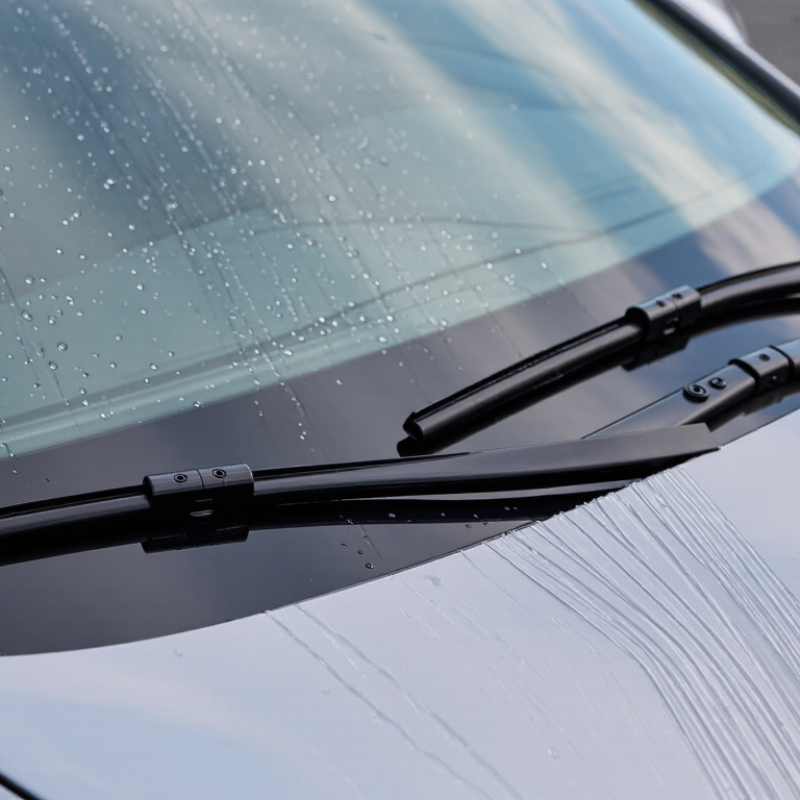
Choosing Silicone Windshield Wipers is not simply a matter of selecting the softest blade. Your windshield, weather, driving speed, and vehicle design all influence performance. A blade that works quietly in a dry city may struggle during heavy rain, winter frost, or dusty highway travel. The rubber-like edge must maintain steady contact across curved glass. Even a small gap can create a distracting water line.

Richard Reina, Product Training Director at CARiD and an experienced automotive specialist, offers a practical reminder: “Wiper blades are a safety item, not a cosmetic item.” That principle should guide every comparison. Silicone compounds often resist ultraviolet exposure and remain flexible through temperature changes. They may also leave a water-repellent film after repeated use. However, marketing claims can sound stronger than real-world results. No blade is perfect.

Look closely at construction, not only material. Check the adapter system, frame strength, pressure distribution, and refill availability. Measure the correct driver and passenger lengths. A poor fit can cause noise, skipping, or uneven cleaning within weeks. Run your fingers along the windshield before installation. Tiny grit can damage a fresh edge.

The best Silicone Windshield Wipers should match your climate and driving habits. Consider frequent storms, long parking periods, road salt, and intense sunlight. Installation should feel secure, with a clear locking click. Test the blades with washer fluid, not on dry glass. That small detail matters.

There is room for doubt. Silicone may last longer, but it cannot repair damaged glass or solve a weak wiper arm. Careful selection remains more valuable than exaggerated promises.

How to Choose Silicone Windshield Wipers?

What Makes Silicone Windshield Wipers Different

Silicone windshield wipers differ mainly through their wiping material and surface behavior. Natural or synthetic rubber often hardens under ultraviolet exposure, ozone, and repeated temperature changes. Silicone usually resists these conditions better. It also leaves a thin water-repellent film on the glass. Small droplets bead and move faster at road speed. The effect is noticeable during light rain, especially under streetlights. However, silicone is not magic. Poor arm pressure can still create missed arcs, streaks, or chatter.

The Federal Highway Administration reports that wet pavement is involved in about 75% of weather-related crashes in the United States. That figure makes clear glass a safety concern, not merely a comfort issue. When choosing wipers, inspect the blade edge, connector fit, and pressure across the windshield. A soft, continuous edge matters more than impressive packaging. Run a fingertip along the blade. It should feel even, not cracked or brittle. Clean the glass first, because oily residue can imitate blade failure. My own test can mislead. A quiet wipe in mild rain does not prove long-term durability. Check performance after sun exposure, dusty roads, and a cold morning. Look for stable contact across both sweeping directions. Industry testing standards, including ASTM procedures for rubber aging, also remind buyers that material quality must be judged after environmental stress, not only when new.

How to Match Wiper Size and Arm Compatibility

How to Choose Silicone Windshield Wipers?

Matching wiper size and arm compatibility matters more than a glossy package. Measure the existing blade from end to end, preferably in millimeters. Do not assume both sides use the same length. Many vehicles need different driver and passenger sizes. The vehicle manual remains the safest reference, especially when the previous blade was installed incorrectly.

Check the arm connector before choosing a silicone blade. Common fittings include J-hook, bayonet, side-pin, and push-button designs. The adapter must lock firmly without twisting. A blade that fits the arm can still sit at the wrong angle. Lift the arm, clean the contact area, and compare the connector shape under good light. Small gaps often cause skipping, chatter, or uneven wiping.

Visibility deserves serious attention. The Federal Highway Administration reports that wet pavement contributes to about 73% of weather-related crashes, while rainfall is present in roughly 74% of those crashes. These figures do not prove that wipers cause accidents, but they show why clear glass matters. Replace a blade when it leaves narrow water trails, not only when rubber looks cracked. Silicone may resist heat and ozone well, but it is not magic. Poor sizing still creates blind arcs. I sometimes trust measurements too quickly; rechecking the manual and arm connector prevents that mistake.

Which Silicone Blade Features Matter Most

How to Choose Silicone Windshield Wipers?

The most important silicone blade feature is edge consistency. A clean, flexible wiping edge should maintain steady contact across the glass. This matters more than a glossy package or unusual frame design. During fitting, I check whether the blade sits evenly from the center to both ends. Small gaps can leave thin water trails, especially near the driver’s eye line.

Material quality also deserves close attention. Silicone should resist ultraviolet exposure, ozone, and repeated temperature changes. However, no material stays perfect forever. I once selected a very soft blade because it felt smooth by hand. It performed poorly in cold rain and folded slightly at highway speed. That experience changed my testing method. I now look for balanced flexibility, not maximum softness. A light, even pressure pattern is essential.

Frame stability is another practical detail. The adapter should lock firmly without forcing the wiper arm. A loose connection can create vibration, noise, or uneven pressure. Check the exact arm fitting before purchasing. Some blades include several adapters, but more parts do not always mean better compatibility. I also prefer a protected edge and a shape that sheds water instead of collecting grit. After installation, test the blade with clean water, then inspect the glass from inside the vehicle. Streaks may reveal poor alignment rather than defective silicone. Reliable performance comes from material, geometry, fit, and real road conditions working together.

How to Compare Durability, Performance, and Cost

When choosing silicone windshield wipers, compare durability, performance, and cost together. A low purchase price may become expensive after frequent replacements. Silicone generally handles ultraviolet exposure, heat, and freezing better than standard rubber. Still, material quality and frame construction matter greatly. A poorly fitted wiper can fail early.

Performance depends on more than the blade material. Check whether the wiper maintains even pressure across the glass. It should clear rain without streaks, skipping, or sharp squeaking. Some silicone blades leave a water-repellent layer, which can improve visibility during light rain. However, this effect may weaken with dust, washing, or heavy road grime. My first comparison was too simple because I focused mainly on price. Real driving conditions changed my opinion.

Tips: Compare cost per season, not only the shelf price. Inspect the adapter before installation. It must lock firmly and sit straight. Test the blade with washer fluid, not on dry glass. Replace it when cracks, splits, or persistent streaks appear. Check the packaging for temperature and vehicle-fit information. A slightly higher price can be reasonable if the blade remains quiet and effective longer. Yet durability claims are not guarantees, so keep your own maintenance records.

How to Choose Silicone Windshield Wipers? - How to Compare Durability, Performance, and Cost
Comparison Option Typical Construction Expected Service Life Rain-Clearing Performance UV and Ozone Resistance Operating Temperature Range Noise and Smoothness Typical Cost per 24-Inch Blade Best Use Case
Silicone-Coated Conventional Wiper Conventional metal frame with a natural-rubber or synthetic-rubber wiping element and a silicone surface coating. Approximately 6–12 months under frequent use and strong sunlight. ★★★★☆
Good initial wiping; water-repellent transfer may decline as the coating wears.
Moderate to good Typically about −30°C to 80°C, depending on the rubber compound and frame design. Generally smooth when the glass is clean and the blade is correctly installed. Approximately US$8–15 Drivers who want an economical upgrade from a standard rubber blade.
Solid Silicone Beam Wiper One-piece silicone wiping element with a flexible beam frame and no exposed conventional hinge points. Approximately 12–24 months in normal conditions; heavy contamination and extreme climates can shorten life. ★★★★★
Consistent contact pressure and strong water-shedding performance after the surface has been conditioned.
Very good Commonly rated for approximately −40°C to 150°C at the material level; actual vehicle performance depends on the complete assembly. Very smooth and quiet when properly fitted. Approximately US$15–30 Year-round driving, high UV exposure, and vehicles with curved windshields.
Silicone Hybrid Wiper Silicone wiping element combined with a reinforced frame or aerodynamic cover to balance flexibility and rigidity. Approximately 12–18 months under typical driving conditions. ★★★★☆
Strong high-speed stability with good conformity across moderate windshield curvature.
Good to very good Typically about −35°C to 120°C, depending on the silicone formulation and structural components. Quiet at low and high speeds when spoiler alignment is correct. Approximately US$18–35 Drivers seeking a balance between aerodynamic stability, durability, and price.
Premium Silicone Beam Wiper with Water-Repellent Treatment High-grade silicone element with a low-friction surface and an integrated or separately applied hydrophobic treatment. Approximately 18–30 months, subject to proper cleaning and regular use. ★★★★★
Excellent wiping consistency and improved water beading; performance depends on glass cleanliness and treatment maintenance.
Excellent Typically about −40°C to 150°C at the silicone-material level. Very quiet with low friction on clean glass. Approximately US$25–45 High-mileage vehicles, severe weather, and owners prioritizing long replacement intervals.
Silicone Winter Wiper Flexible silicone element with a protective cover designed to reduce snow and ice accumulation around the frame. Approximately 12–24 months; ice scraping and improper lifting can cause premature damage. ★★★★☆
Reliable in snow and slush when the blade remains flexible and the windshield is properly defrosted.
Very good Often designed for temperatures near −40°C, although the vehicle and rubber compound determine actual cold-weather behavior. Moderate to good; the protective cover may create more wind noise than a standard beam design. Approximately US$20–40 Cold climates with frequent snow, freezing rain, and road salt exposure.
Typical ranges are provided for comparison only. Actual service life and performance vary with windshield condition, washer-fluid quality, UV exposure, dust, ice, driving frequency, installation accuracy, and vehicle-specific blade length. Replace a wiper when it leaves streaks, skips, chatters, splits, or fails to maintain continuous contact with the glass.

How to Confirm Installation and Maintenance Requirements

How to Choose Silicone Windshield Wipers?

How to Confirm Installation and Maintenance Requirements

Before choosing silicone windshield wipers, confirm the vehicle’s exact blade length and connector type. Measure both sides separately. They may not match. Check whether the arm uses a hook, pin, bayonet, or side-lock fitting. A silicone blade should sit evenly against the glass, without lifted corners. After installation, pull the blade gently. It should not move sideways.

The U.S. Federal Highway Administration reports that wet pavement is involved in about 74% of weather-related crashes. This makes contact quality more important than appearance. Spray washer fluid, then test the wipers at low speed. Look for clear wiping, stable movement, and no water film near the driver’s viewing area. A faint arc or repeated squeak signals a problem. I once trusted a quiet first pass. That assumption was wrong.

Maintenance requirements should be confirmed before purchase. Inspect the silicone edge every month for cuts, hardening, or embedded grit. Clean the blade with a damp, lint-free cloth. Avoid dry wiping, because dust can scratch the windshield and damage the wiping edge. Use compatible washer fluid, not household detergent. SAE J903 and FMVSS No. 104 provide useful technical references for windshield-wiping performance and system requirements. Still, real conditions vary. Heavy snow, road salt, and long periods of sunlight can shorten service life. Replace the blade when streaking remains after cleaning, even if the rubber or silicone still looks intact.