How to Choose a Traction Lift for Your Building?
Choosing a Traction Lift is a building-performance decision, not merely an equipment purchase. It affects passenger flow, energy use, comfort, maintenance access, and long-term operating costs. The International Energy Agency reported that buildings and construction consumed approximately 30% of global final energy in 2022. Every major system deserves scrutiny.
A Traction Lift uses ropes, sheaves, and a motor to move the car. It can serve low-, mid-, or high-rise buildings efficiently, especially where speed and travel distance matter. However, the correct choice depends on more than rated capacity. Floor population, peak traffic, shaft dimensions, machine-room requirements, regenerative drives, standby controls, and local maintenance capability all deserve review. The European Lift Association’s energy-efficiency guidance identifies lifts as a meaningful part of building electricity demand, particularly in busy commercial properties. The exact percentage varies by building type and usage. That detail is easy to overlook.
As elevator-industry analyst Dr. Rory Smith has stated, “Elevators are the most important form of transportation in the world.” His observation gives the selection process practical weight. A lift failure can delay workers, disrupt deliveries, and leave residents waiting beside a silent landing door. Experience matters here. So does evidence.
A credible specification should compare traffic simulations, lifecycle energy estimates, acoustic performance, emergency operation, and service response times. Manufacturer brochures alone are insufficient. The first proposal may look perfect, but it rarely is. Building owners should challenge optimistic assumptions, verify references, and ask who will maintain the system after installation. A carefully selected Traction Lift should move people reliably today and remain supportable years later.
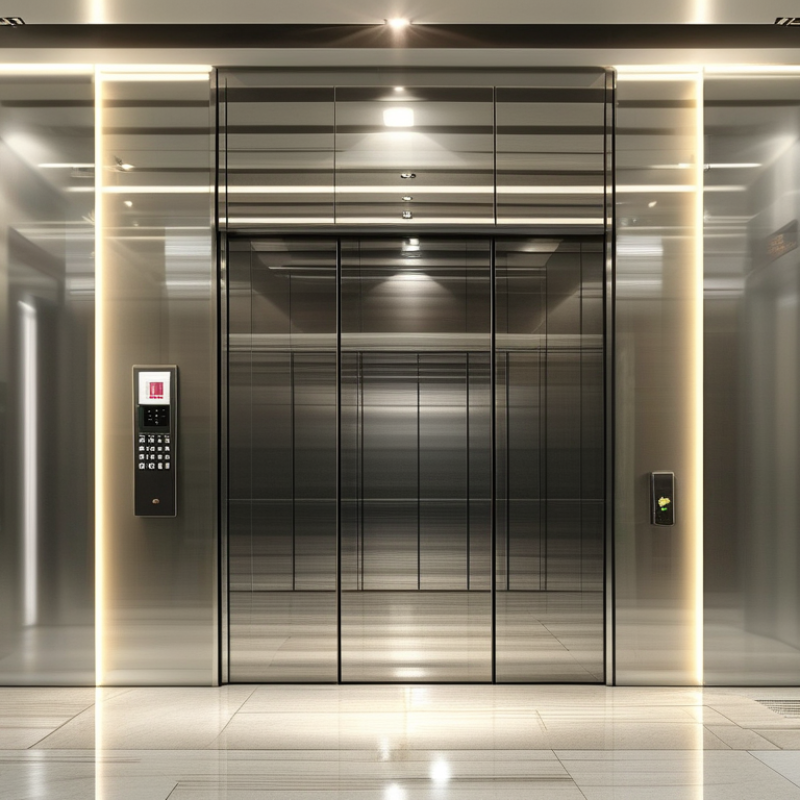
Define Your Building’s Lift Requirements
How to Choose a Traction Lift for Your Building?
Define Your Building’s Lift Requirements
Start with people, not lift speed. Record the building’s height, floor count, occupancy, and daily traffic patterns. A 20-storey office needs different planning from a six-storey apartment building. Note busy periods, delivery movements, accessibility needs, and future occupancy growth.
Use measurable targets. CIBSE Guide D: Transportation Systems in Buildings recommends reviewing five-minute handling capacity, average waiting time, and interval during peak traffic. For example, a 900-person office may need stronger morning handling than evening performance. A simple spreadsheet helps. It can still mislead. Real observations matter.
Measure the route carefully. A traction lift may suit taller buildings because it supports longer travel and efficient speed control. Confirm shaft dimensions, overhead clearance, pit depth, machine-room space, electrical capacity, and structural loads. ISO 25745-2 provides a framework for evaluating lift energy performance, including standby and running conditions. Request calculations for both.
Do not size only for today. Review evacuation planning, fire-service access, stretcher dimensions, wheelchair turning space, and local safety requirements with qualified professionals. The 2023 Global Status Report for Buildings and Construction reports that buildings account for around 30% of global final energy demand, so energy use deserves early attention. Choose the traction system after defining these requirements, not before.
Evaluate Capacity, Speed, Travel Height, and Traffic
Choosing a traction lift starts with the building’s daily pattern, not a brochure rating. Estimate the heaviest regular load, including passengers, carts, maintenance tools, and seasonal deliveries. Select capacity with a measured margin, but avoid oversizing without evidence. A larger car can increase structural demands, energy use, and purchase cost. Review accessibility and safety requirements with a qualified lift engineer.
Speed should match travel height and waiting tolerance. A six-storey office may need moderate speed, while a tall residential building can justify faster service. Yet higher speed does not automatically improve traffic flow. Door time, dispatch controls, and acceleration also affect each journey. Request a full ride-time calculation, including stops. Shorter is not always better.
Travel height influences motor duty, rope arrangement, guide-rail design, and emergency planning. Traffic analysis should examine morning arrivals, lunch movement, deliveries, and peak departures. A simple passenger count can miss school runs or clinic equipment. Use observed data where possible. If data is unavailable, state the assumption clearly. That weakness matters. Test several traffic scenarios, then compare capacity and speed together. A lift that performs well on paper may still leave a crowded lobby at 8:30 a.m. Plan space for queues, service access, and future changes in occupancy.