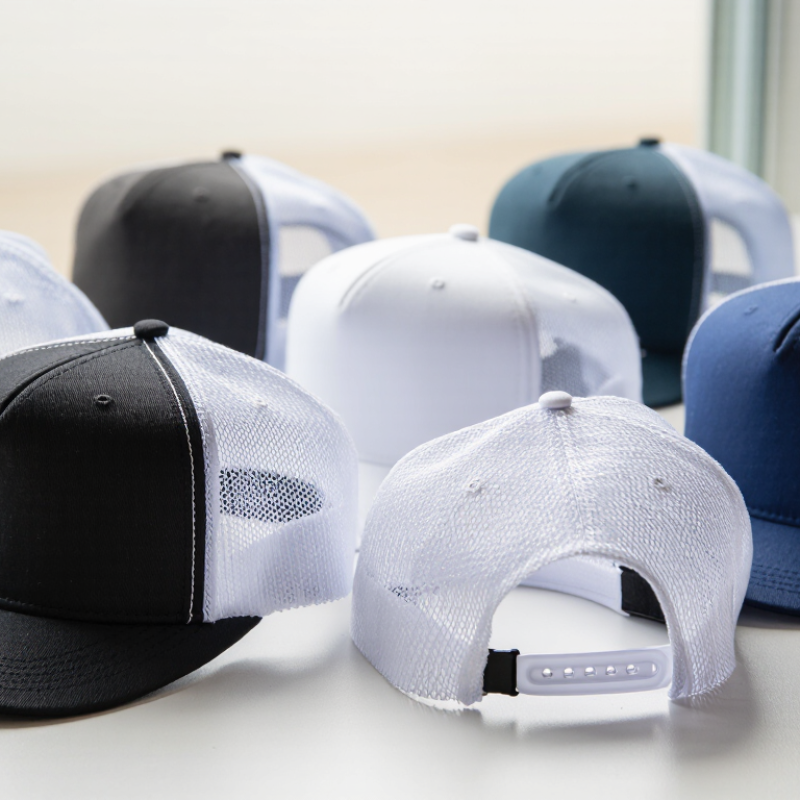
| Initial Sample Development | 7–14 calendar days after artwork, materials, and measurements are approved | Sample approval date recorded in the purchase schedule | Check crown shape, mesh density, visor curve, snap closure, stitching, colors, and decoration placement | Approve a sealed reference sample before bulk production begins |
| Minimum Order Quantity | Common starting range: 100–500 pieces per color or design; confirm by material and decoration method | Quantity variance kept within the contract allowance, commonly ±5% | Verify whether mixed colors, sizes, and artwork are counted separately | Negotiate the MOQ in writing and define how overages or shortages will be handled |
| Bulk Production Lead Time | 20–35 calendar days after deposit, final approval, and material confirmation | Milestones: materials ordered, cutting started, decoration completed, final inspection, packed | Require dated progress photos or inspection updates at each milestone | Add buffer time for peak seasons, custom fabrics, and complex embroidery |
| Order Documentation | Purchase order should specify quantity, color codes, fabric composition, decoration, packaging, price, and delivery terms | 100% of critical specifications matched between quotation, purchase order, and final invoice | Use measurement tolerances and defect definitions rather than subjective wording | Keep artwork files, approved samples, inspection reports, and messages in one order folder |
| Pre-Shipment Quality Inspection | Inspect when at least 80% of goods are finished and 100% are packed or available for counting | Use an agreed sampling plan; AQL 2.5 for major defects and AQL 4.0 for minor defects are common reference levels | Check count, workmanship, dimensions, color consistency, decoration, odor, packaging, and carton markings | Release the balance payment only after the inspection result meets the contract requirements |
| Critical Hat Quality Points | No sharp exposed parts, broken snaps, severe stains, incorrect artwork, or structural damage | Target zero critical defects; define major and minor defects before production | Test snap strength, seam security, sweatband attachment, visor symmetry, and colorfastness where relevant | Provide a defect photo guide so factory and inspector use the same acceptance standard |
| Shipping Method | Courier or air freight for urgent small orders; ocean freight for larger, non-urgent shipments | Compare total landed cost: product, freight, insurance, duties, taxes, handling, and delivery fees | Confirm carton dimensions, gross weight, cubic volume, shipping documents, and destination requirements | Select the Incoterm only after confirming who controls freight, customs clearance, and delivery risk |
| Packaging and Carton Control | Use protective inner packaging and export cartons suitable for stacking and moisture exposure | Carton count, units per carton, net weight, gross weight, and carton marks must match shipping documents | Check crushed cartons, moisture, loose products, incorrect labels, and over-compressed hats | Request a packing list and carton photos before collection |
| Payment Protection | A staged structure such as deposit at order confirmation and balance after inspection is commonly used | Payment dates tied to documented milestones rather than estimated completion dates | Reconcile the final quantity, approved unit price, inspection result, and shipping documents | Avoid changing bank details through an unverified email or messaging request |
| Supplier Communication | Set a response expectation of one business day for active production issues | Track response time, milestone accuracy, defect rate, and corrective-action completion | Use written change confirmations for materials, artwork, quantities, and delivery dates | Hold a short review after every order and maintain a supplier scorecard |
| Corrective Action and Returns | Agree on rework, replacement, credit, or refund procedures before placing the order | Corrective-action plan issued within 2 business days for confirmed major defects | Require root cause, affected quantity, replacement timeline, and preventive action | Retain defect samples and photographs as evidence until the claim is closed |
| Supplier Relationship Management | Review performance quarterly using quality, cost, delivery, communication, and flexibility criteria | Use a weighted scorecard with documented targets and trend comparisons | Reconfirm capacity, material availability, compliance documents, and backup production plans | Reward consistent performance with forecast visibility while retaining an approved backup supplier |