How to Leverage Precision Technology for Global Sourcing Success?
In today's fast-paced global market, leveraging precision technology is essential for successful sourcing. According to a recent report by Industry Insights, companies that utilize precision technology can reduce procurement costs by up to 30%. Industry expert Dr. Emily Chen emphasizes this point, stating, "Precision technology drives efficiency and accuracy in sourcing operations."
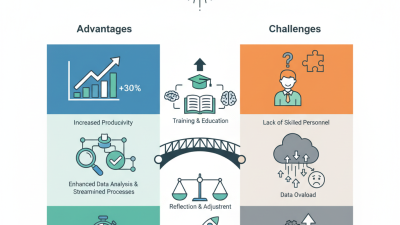
However, achieving this success is not without its challenges. Many organizations struggle with integrating precision technology into their existing frameworks. A survey by TechWatch found that 40% of businesses face barriers due to a lack of skilled personnel. The need for continuous training and development in precision technology is critical for overcoming these hurdles.
Precision technology not only improves data accuracy but also aids in making informed decisions. Yet, this advancement demands a thoughtful approach. Companies should consider their unique needs and capabilities before adopting these technologies. Understanding the balance between innovation and practicality is key for firms seeking to thrive in an evolving landscape.

Understanding Precision Technology in Global Sourcing
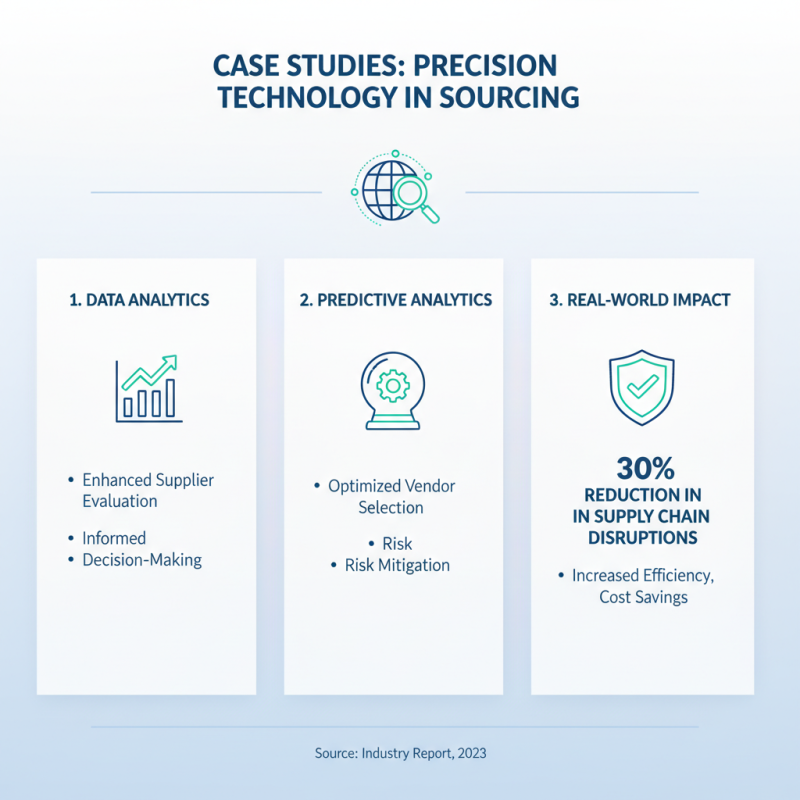
Precision technology has revolutionized global sourcing by enhancing efficiency and accuracy. Companies increasingly rely on data analytics, AI, and advanced manufacturing technologies. According to a McKinsey report, businesses using precision technologies can improve their sourcing efficiency by up to 30%. This shift highlights the importance of understanding the multifaceted impact of precision tools on supply chains.
The integration of precision technology allows for improved demand forecasting and inventory management. Utilizing real-time data enables businesses to adapt swiftly to market changes. A survey by Deloitte states that 70% of organizations using advanced analytics saw a significant reduction in excess inventory. This gives companies a competitive edge by meeting customer needs more effectively.
**Tips:** Regular training on precision tools is vital for your workforce. Also, invest in robust data security measures. Shortcomings in tech adoption can lead to vulnerabilities, risking your data integrity and customer trust. Embracing precision technology is crucial, but careful implementation is equally necessary.
Identifying Key Benefits of Precision Technology for Sourcing
Precision technology is transforming global sourcing strategies. By utilizing advanced data analytics and automation, businesses can make informed decisions. This approach enhances supply chain efficiency and minimizes risks. Real-time data helps identify reliable suppliers, ensuring high-quality materials.
The key benefits of precision technology also include improved cost management. Businesses can analyze market trends to negotiate better prices. Accurate forecasting reduces waste and optimizes inventory levels. However, reliance on technology can lead to vulnerabilities. System failures or data breaches may disrupt operations, requiring careful planning.
Furthermore, precision technology fosters collaboration. It bridges communication gaps between teams and stakeholders. Instant access to shared data promotes transparency. Yet, organizations must remain cautious. Over-automation may disconnect personal relationships, which are vital for negotiation. Balancing technology and human interaction is essential for sustainable sourcing success.
How to Leverage Precision Technology for Global Sourcing Success?
| Benefit |
Description |
Impact on Sourcing |
Example Application |
| Enhanced Data Accuracy |
Precision technology improves the accuracy of sourcing data. |
Reduces errors in inventory management and order fulfillment. |
Using AI algorithms for demand forecasting. |
| Cost Efficiency |
Optimizes purchasing decisions to minimize costs. |
Leads to better resource allocation and budgeting. |
Utilizing predictive analytics to negotiate pricing. |
| Supply Chain Transparency |
Enhances visibility across the sourcing process. |
Improves stakeholder confidence and compliance. |
Implementing blockchain for traceability. |
| Faster Decision Making |
Speeds up data analysis and decision-making processes. |
Allows for quicker response to market changes. |
Real-time analytics dashboards for sourcing teams. |
| Risk Mitigation |
Identifies potential risks in the sourcing process. |
Helps in creating strategies to mitigate disruptions. |
Risk assessment tools integrated with suppliers' data. |
Implementing Precision Tools and Techniques in Procurement
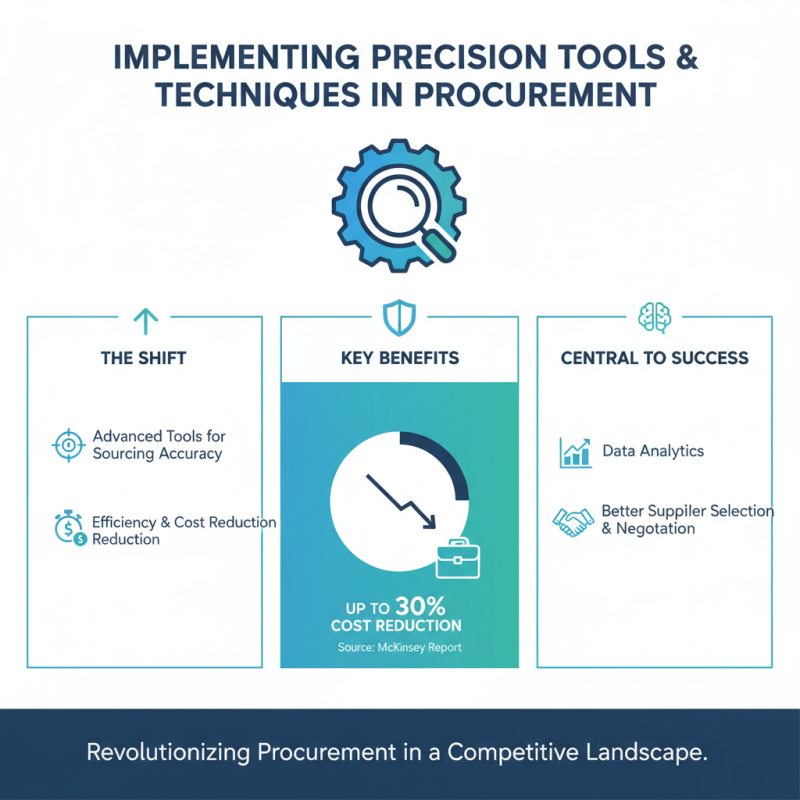
In today’s competitive landscape, precision technology is revolutionizing procurement. Organizations are adopting advanced tools to enhance sourcing accuracy and efficiency. A recent report from McKinsey highlighted that companies using precision tools can reduce sourcing costs by up to 30%. The targeted application of data analytics is central to this transformation. It enables firms to identify the best suppliers and negotiate more effectively.
Implementing precision techniques requires a keen understanding of data collection and analysis. Businesses must invest time in training their teams on these tools. Also, gathering quality data is crucial; over 60% of organizations struggle with data integrity. Thus, organizations should focus on establishing rigorous data governance frameworks. This ensures decisions are based on accurate information, minimizing potential pitfalls.
While precision technology offers significant advantages, it is not without challenges. For instance, reliance on automated systems can lead to oversight. Companies may miss out on critical nuances that human intuition would catch. Therefore, a balanced approach that incorporates both technology and human insight can drive optimal results in global sourcing. The path to success lies in fostering collaboration between technical expertise and strategic vision.
Evaluating Performance Metrics for Sourcing Success
Evaluating performance metrics is crucial for global sourcing success. Companies must prioritize measurable outcomes. A report by Deloitte highlights that 79% of organizations that leverage precise data analytics see improved sourcing decisions. Metrics should focus on cost, quality, and supplier performance. Tracking these elements leads to better supplier relationships and higher efficiency.
Current trends emphasize the significance of real-time data. A study by McKinsey shows that companies using advanced analytics in sourcing can reduce procurement costs by 15%. Organizations often neglect the qualitative aspects of sourcing metrics. Relying solely on cost may overlook supplier capabilities. This calls for a balanced approach that integrates quantitative and qualitative data.
Reflecting on the sourcing process is vital. Many companies fail to adapt when performance metrics fall short. Firms must regularly analyze data trends and adjust sourcing strategies accordingly. Understanding specific challenges in sourcing can lead to innovative solutions. This self-reflection fosters resilience and drives continuous improvement.
Performance Metrics for Sourcing Success