What Is a Manometer Connector and How Does It Work?
How Pressure Is Transferred to the Manometer
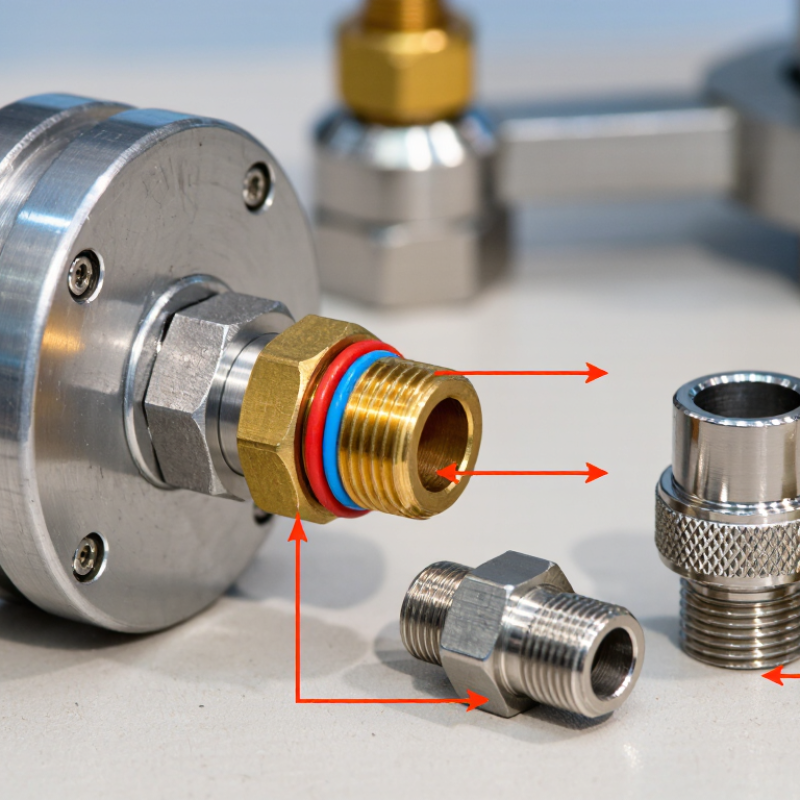
A manometer connector forms the pressure pathway between a pipe, vessel, or test point and the measuring instrument. When attached, it lets the pressure at the source act on the manometer’s sensing element. In a liquid-column model, that pressure moves the liquid until the columns reach balance. The height difference then indicates the pressure difference. Simple, but sensitive.
A tight, well-seated connection matters. If air leaks around the fitting, the manometer may show a reading that drifts or sits below the true value. The connector’s thread or sealing face must match the port, and the tubing should not be kinked or pulled sideways. Hand-tightening may be enough for some fittings; others need the specified tool and torque. More force is not automatically better.
Before reading, check that the line is clear and the instrument is positioned as intended. A droplet or trapped pocket in the tubing can interfere with pressure transfer, especially at low pressures. With differential measurements, each port must connect to the correct side. This is easy to mix up. Even careful setups can have small errors, so comparing the zero reading before and after a test is a useful check.