What is a metal forming machine and how does it work?
Metal forming machines play a crucial role in the manufacturing sector. These machines shape metal into desired forms for various applications. From automotive parts to structural elements, their importance cannot be overstated.
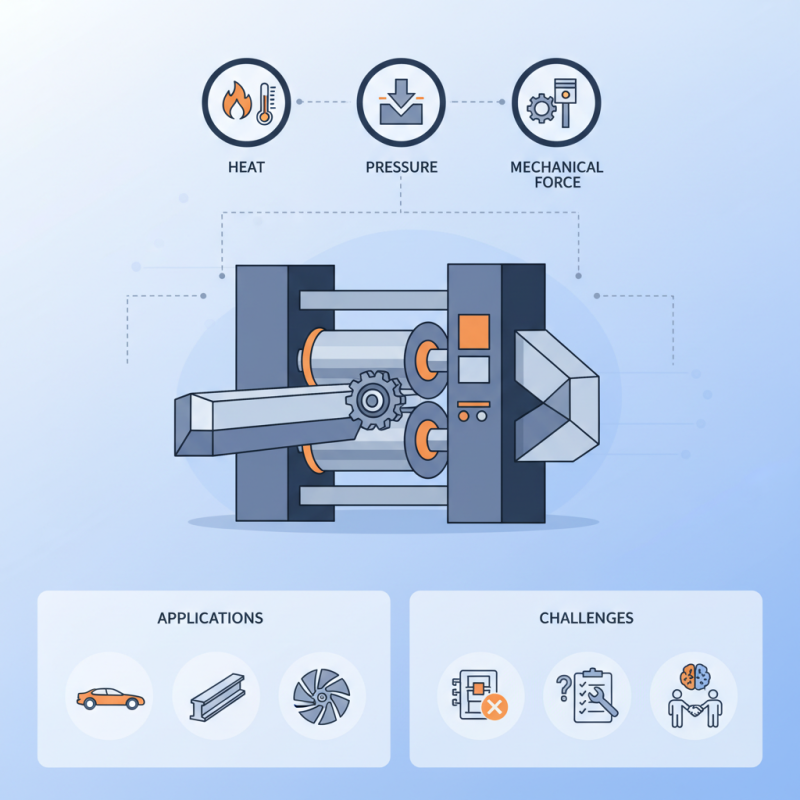
Understanding how a metal forming machine operates is essential for anyone in the industry. This process involves a combination of pressure, heat, and mechanical force. Skilled operators must interact with the machine, making adjustments for precision. The end result often reflects the complexity of the techniques used.
Moreover, challenges exist in selecting the right metal forming machine. Each machine has specific capabilities, limitations, and maintenance requirements. Therefore, continuous training and knowledge sharing among professionals are vital. Embracing both advancements and potential shortcomings will lead to better practices in metal forming.
Definition of Metal Forming Machines and Their Importance
Metal forming machines are essential tools used in various manufacturing processes.
They shape materials like metal through techniques such as bending, stamping, and forging.
These machines transform raw materials into specific shapes required for different applications.
The precision they offer is vital in industries like automotive and aerospace.
The importance of metal forming machines lies in their efficiency and accuracy.
They allow manufacturers to produce complex parts quickly.
The ability to create consistent shapes reduces material waste and ensures better quality control.
However, the initial investment for these machines can be substantial.
Smaller manufacturers might struggle with costs but recognize that the long-term benefits can outweigh these challenges.
Moreover, the skill required to operate these machines adds another layer of complexity.
Workers must be trained to handle them properly. Misalignment during the process can lead to defects.
Continuous learning and adaptation are necessary to maintain efficiency.
Embracing new technologies can help improve the overall effectiveness of metal forming processes.
Types of Metal Forming Machines and Their Functions
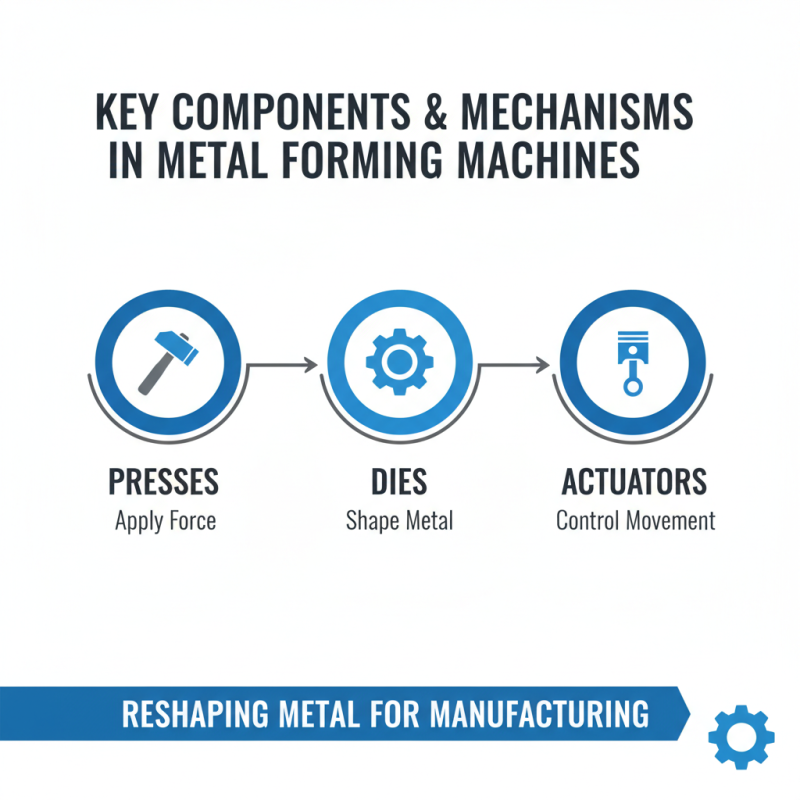
Metal forming machines play a crucial role in manufacturing. They encompass various tools designed to reshape metal without removing material. Different types of machines cater to specific processes like bending, forging, and stamping.
Press brakes are common for bending sheet metal. They apply force to create precise angles. These machines need regular calibration. Inaccuracies can lead to defective products and material waste. It’s vital to understand their limitations.
Rollers are used for creating curved metal sections. They work by progressively bending metal sheets. Operators require proper training. Inexperienced use may cause injury or poor results.
Tips: Always wear protective gear when operating metal forming machines. Regular maintenance extends machine life and ensures safety. Before starting work, verify all settings and materials.
Types of Metal Forming Machines and Their Functions
Basic Principles of How Metal Forming Machines Operate
Metal forming machines play a crucial role in manufacturing. They reshape metal materials into desired forms through various processes. Understanding the basic principles of how these machines operate can help demystify their importance.
At the core of metal forming is the application of force. This force alters the geometry of the metal, making it malleable. For instance, in processes like bending and rolling, machines exert pressure on metal sheets, transforming them into essential components for various industries. Hydraulic systems often provide this pressure, ensuring efficiency in production. Operators must be skilled, as inconsistencies can lead to defects in finished products.
The precision required in metal forming cannot be overstated. Small errors can result in significant material waste or structural failures. Therefore, manufacturers need to regularly evaluate machine performance and operator training. Even experienced workers must stay alert to variations in material properties, as these can influence outcomes. Continuous improvement is key, yet it is also essential to reflect on the effectiveness of current practices in this ever-evolving field.
Applications of Metal Forming Machines in Various Industries
Metal forming machines play a crucial role in various industries, shaping materials into usable forms. These machines are widely used in automotive, aerospace, and construction sectors. They transform raw metal into parts through processes like bending, rolling, and forging. The precision of these machines ensures that components meet strict industry standards.
In the automotive sector, for example, metal forming machines are essential for producing body panels and engine components. They enhance efficiency and reduce waste during manufacturing. The aerospace industry also relies on these machines for creating lightweight yet strong parts. This contributes to improved fuel efficiency in aircraft.
Tips: Always ensure proper maintenance of forming machines. Regular checks can prevent costly downtime. Training staff adequately is also crucial. Skilled operators make a significant difference in productivity and quality. Lastly, consider the environmental impact of metal forming processes. Choosing sustainable practices can enhance a company's reputation and save costs in the long run.