What is Precision Metal Component Manufacture for Global Buyers?
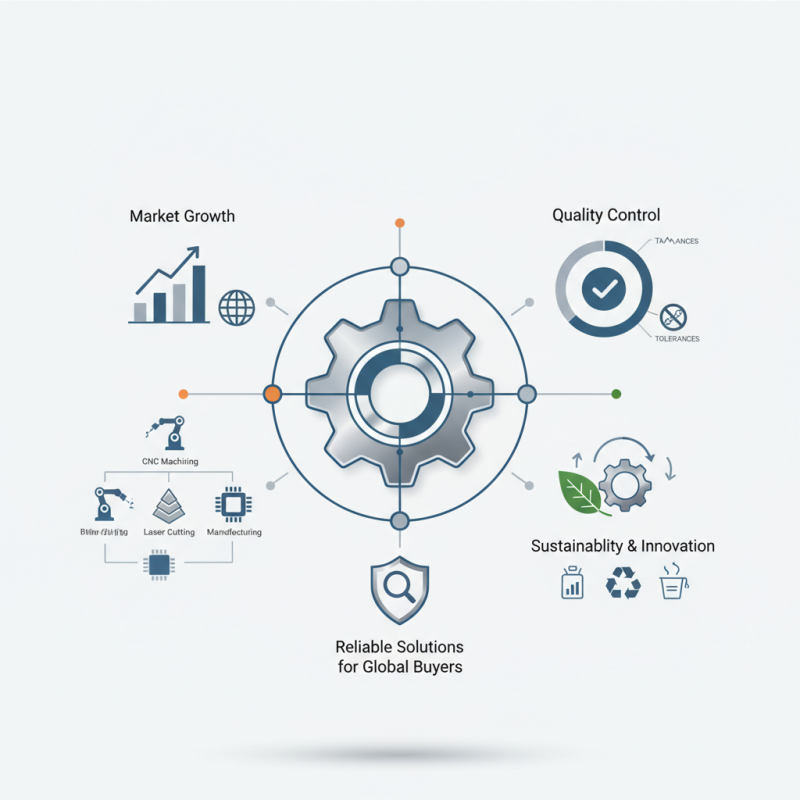
In an era where precision matters more than ever, **Precision Metal Component Manufacture** has emerged as a cornerstone for various industries. According to a report by Grand View Research, the global precision metal components market is projected to reach $170 billion by 2025, reflecting a compound annual growth rate (CAGR) of over 6%. This growth signals an increasing reliance on precision components across sectors like automotive, aerospace, and electronics.
The drive for precision in manufacturing processes is fueled by advancements in technology. Companies are adopting CNC machining, laser cutting, and additive manufacturing to produce components with exceptional accuracy. However, the challenge remains in maintaining quality control in a highly competitive market. For instance, even minor deviations in tolerances can lead to significant operational inefficiencies.
Moreover, as sustainability becomes crucial, manufacturers face pressure to innovate while minimizing waste. Balancing precision and environmental responsibility is a daunting task. While many companies strive towards excellence, the inconsistent application of best practices can lead to shortcomings. Thus, understanding the intricacies of **Precision Metal Component Manufacture** is vital for global buyers seeking reliable and efficient solutions.
What is Precision Metal Component Manufacturing?
Precision metal component manufacturing is vital in today's industrial landscape. This process involves creating intricate parts using methods like CNC machining, stamping, and forging. According to a report by MarketsandMarkets, the precision metal fabrication market is projected to reach $24.3 billion by 2025, reflecting an annual growth rate of 4.3%. This growth highlights a rising demand across sectors such as automotive, aerospace, and electronics.
Manufacturers focus on accuracy and quality. They utilize advanced technologies to meet exact specifications. However, not all manufacturers adhere to best practices. Some may compromise precision for cost savings, leading to flawed components. Inadequate quality control can create challenges. A recent study by Grand View Research found that 30% of defects in metal components are due to improper manufacturing techniques. This statistic underscores the need for continuous improvement in manufacturing protocols.
Materials selection is another critical aspect of precision metal component manufacturing. Aluminum, steel, and titanium are common choices due to their strength and flexibility. However, engineers may overlook the importance of sourcing high-quality raw materials. Subpar material can lead to performance issues, affecting overall product lifespan. Understanding the interplay between material properties and manufacturing methods is essential for consistent quality.
Key Techniques in Precision Metal Component Production
Precision metal component manufacture involves several key techniques that ensure high quality and accurate products. One of the primary techniques is CNC machining. This method allows for detailed specifications and rapid production. A report by MarketsandMarkets indicates that the CNC machining market is expected to reach $100 billion by 2025, highlighting its growing importance in the industry.
Another vital technique is sheet metal fabrication. This process includes cutting, bending, and assembling metal sheets into desired shapes. According to a recent study, the global sheet metal fabrication market was valued at $25 billion in 2021 and is projected to grow significantly. This growth reflects the increasing demand for precision in various sectors, including automotive and aerospace.
However, despite advancements, challenges remain. Achieving extreme tolerances can be difficult and may lead to errors if not monitored closely. Continuous quality control measures are necessary to ensure standards are met. Additionally, the reliance on advanced technology raises concerns about cost-effectiveness for smaller manufacturers. Balancing precision, cost, and production speed continues to be a crucial issue in the sector.
Market Trends and Demand for Precision Metal Components in 2023
In 2023, the demand for precision metal components is on the rise. Industries like aerospace, automotive, and electronics are driving this growth. Companies seek parts that meet stringent tolerances and quality standards. Precision machining techniques, such as CNC machining, are essential for creating these components. Advanced technologies maintain accuracy while reducing waste.
Market trends indicate a shift toward sustainable practices. Many manufacturers now prioritize the use of recyclable materials. This focus attracts environmentally conscious buyers. However, the supply chain remains a challenge. Fluctuations in raw material prices can impact production costs. Additionally, adapting to new regulations requires agility and foresight.
Global buyers must navigate these complexities. Understanding local and international standards is crucial. Collaboration with experienced manufacturers is beneficial. Companies must assess suppliers carefully. Quality assurance processes and certifications should not be overlooked. Each production run can reveal areas for improvement, underscoring the importance of continuous feedback. Precision metal component manufacture is evolving, reflecting both opportunities and challenges.
What is Precision Metal Component Manufacture for Global Buyers? - Market Trends and Demand for Precision Metal Components in 2023
| Dimension | 2022 Market Size (Million USD) | 2023 Market Size (Million USD) | Projected Growth Rate (2023-2025) | Top Application Sectors |
| Automotive Components | 1500 | 1650 | 10% | Engine Parts, Chassis, Suspension |
| Electronic Components | 1200 | 1350 | 8% | Connectors, Heat Sinks, Housings |
| Medical Devices | 800 | 920 | 15% | Surgical Instruments, Implants, Diagnostics |
| Aerospace Parts | 600 | 700 | 12% | Structural Components, Engine Parts |
| Industrial Machinery | 950 | 1050 | 7% | CNC Parts, Assemblies, Fixtures |
Quality Standards and Certifications in Precision Metal Manufacturing
Precision metal component manufacturing is vital for global buyers. Rigorous quality standards play a crucial role in ensuring reliability and performance. Various certifications validate the capabilities of manufacturers. These include ISO 9001, which focuses on quality management systems and ensures consistent product quality.
In recent industry reports, around 70% of procurement professionals emphasize the need for suppliers to have recognized certifications. This trend reflects buyers' demands for safe and reliable components. Certification bodies have stringent requirements that manufacturers must meet. For instance, the AS9100 standard is essential for aerospace applications, ensuring safety and reliability in high-stakes environments.
However, achieving compliance is a challenge. Many manufacturers struggle with the documentation and processes involved. Deviations from standards can lead to significant risks. The industry sees a recurring issue where manufacturers neglect continuous improvement. This oversight can compromise product quality. Regular audits and updates to practices are necessary to maintain standards. Addressing these imperfections can lead to better outcomes for buyers and suppliers alike.
Cost Considerations and Pricing Models for Global Buyers
In the realm of precision metal component manufacturing, cost considerations are pivotal for global buyers. Various pricing models exist, each serving distinct needs. Buyers often face dilemmas about the best approach to balance cost with quality. Understanding these models is crucial for informed decision-making.
One common pricing model is the fixed price. This model offers certainty but may not reflect changes in material costs. On the other hand, cost-plus pricing can lead to unexpected expenses. Buyers should analyze their project scopes carefully. Clarity on specifications can aid in obtaining accurate quotes.
Tips for buyers: Always request multiple quotes. This practice helps assess competitive pricing. Additionally, consider the total cost of ownership. It’s vital to account for shipping and potential duties. Collaborating closely with manufacturers promotes transparency and fosters trust. This partnership approach can lead to better pricing negotiations. Ultimately, navigating cost considerations requires vigilance and strategic thinking.