What is Precision Technology and How Does it Impact Industries?
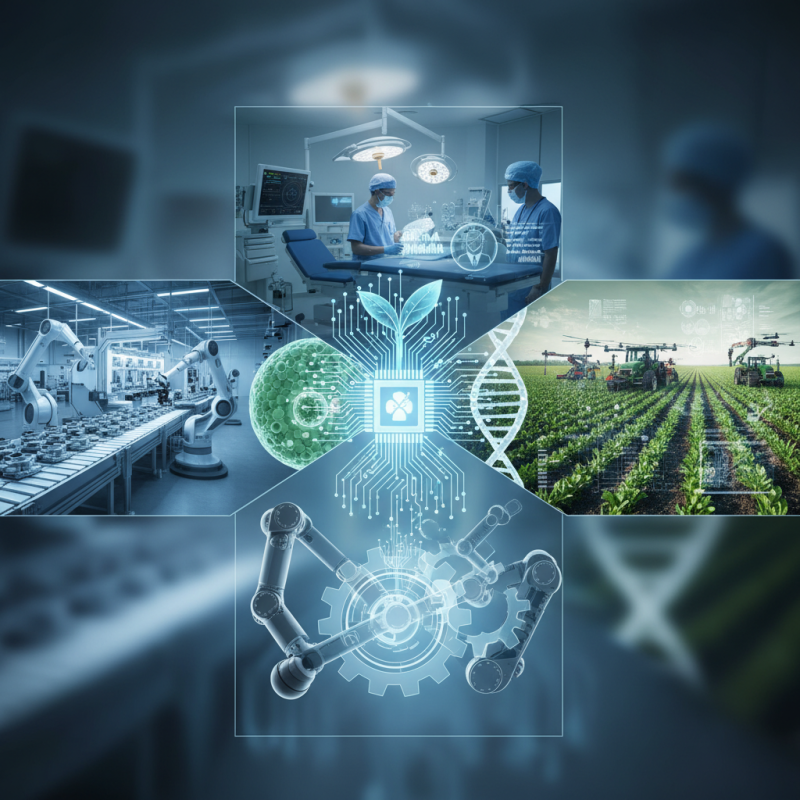
Precision technology is reshaping various industries with its focus on accuracy and efficiency. Dr. Emily Carter, a renowned expert in precision engineering, stated, “Precision technology is not just a trend; it’s a necessary evolution.” Her insight highlights the transformative power of this technology in sectors like manufacturing, healthcare, and agriculture.
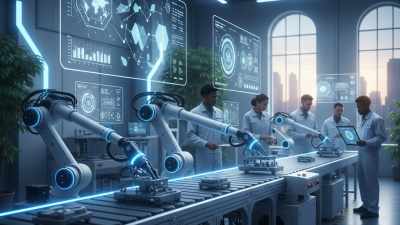
In manufacturing, precision technology enhances product quality while reducing waste. Automated systems and advanced algorithms ensure that every component meets exact specifications. However, the transition isn’t seamless. Challenges such as high costs and technical complexities often accompany new implementations.
In healthcare, precision technology enables personalized medicine, improving patient outcomes. Yet, the integration of these technologies into existing systems can be problematic. Balancing innovation with practicality is crucial. Ongoing discussions and reflections about these challenges are essential for the industry to evolve effectively. Therefore, understanding the implications of precision technology is vital for future advancements.
Understanding Precision Technology: Definition and Key Components
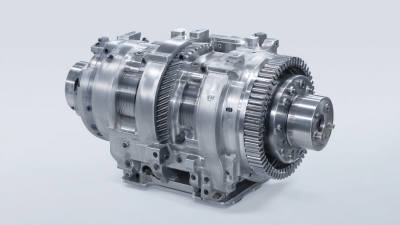
Precision technology refers to advanced techniques that enhance accuracy in various industries. It encompasses tools and methods that refine processes for better results. At its core, it relies on data analysis, automation, and sophisticated machinery. These elements work in harmony to create outcomes that were once deemed unattainable.
In manufacturing, for example, precision technology significantly reduces waste. Components are produced with minimal error. This leads to improved efficiency and cost savings. Yet, it's important to consider the implications. Over-reliance on technology can stifle creativity. Workers may feel less engaged. There's also the risk of job displacement.
Moreover, precision technology impacts healthcare by enabling accurate diagnostics. It allows for tailored treatments based on individual patient data. However, this also raises ethical questions. How do we ensure data privacy? The integration of precision technology is not just about benefits; it requires careful reflection on its societal impact.
The Role of Precision Technology in Manufacturing: Efficiency and Accuracy
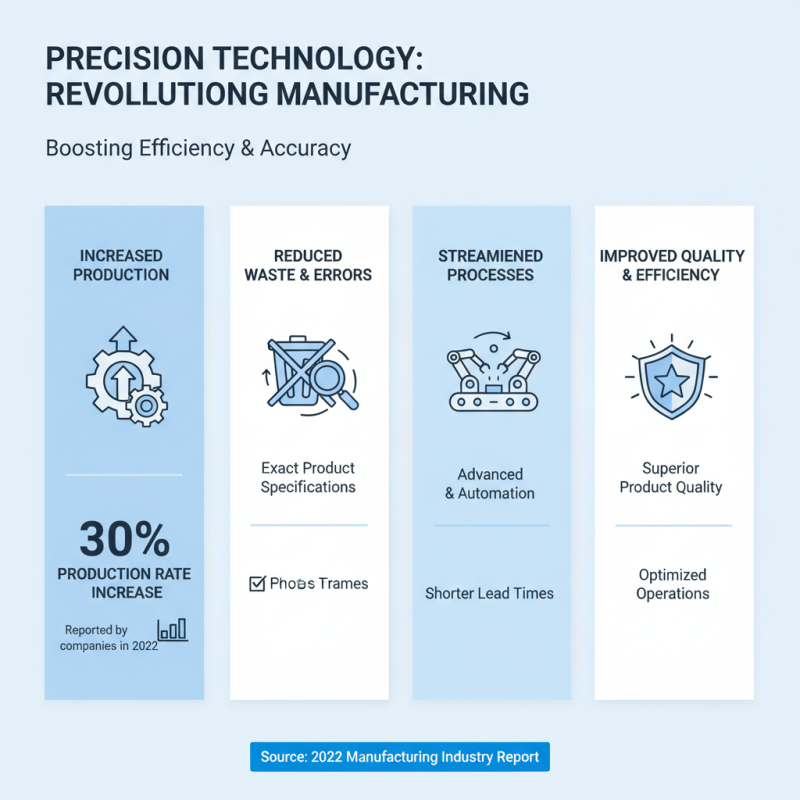
Precision technology has transformed manufacturing, enhancing both efficiency and accuracy. In 2022, companies that adopted precision tools reported a 30% increase in production rates. This technology reduces waste and errors, ensuring that products are made to exact specifications. By using advanced robotics and automation, manufacturers streamline their processes. This leads to shortened lead times and improved product quality.
However, the transition to precision technology can be challenging. Training employees to adapt to new systems requires significant investment. Some manufacturers face resistance from workers who are accustomed to traditional methods. These hurdles can delay the implementation of new technology, affecting overall productivity.
Tips for successful integration include promoting a culture of continuous improvement. Engage employees in the process, and encourage them to provide feedback. Additionally, consider gradual implementation to ease the transition. Fostering collaboration between teams can also address concerns and promote a smoother change. Even with its challenges, precision technology is essential for competitive manufacturing.
Applications of Precision Technology in Healthcare: Benefits and Innovations
Precision technology is transforming healthcare in remarkable ways. In 2020, the global precision medicine market was valued at approximately $50 billion. Experts project it will reach $162 billion by 2026. This growth is driven by innovations in diagnostics, treatment, and patient care.
One significant application is in genomics. Precision technology allows healthcare providers to tailor treatments based on individual genetic profiles. This means fewer trial-and-error approaches. A recent study indicated that patients receiving precision-guided therapies had a 30% higher success rate. However, access to genomic data can raise ethical concerns and privacy issues. Not every facility can handle these complexities.
Another area is imaging technology. Advanced imaging techniques enhance diagnosis accuracy. The integration of AI in imaging can reduce errors by 25%. However, this does not eliminate the need for human oversight. Misinterpretations still occur, and training for medical staff is essential. Precision technology offers benefits, but it also demands careful consideration of its implications in practice.
The Impact of Precision Technology on Agriculture: Data-Driven Farming
Precision technology is transforming agriculture, driving a data-driven approach to farming. Farms utilizing precision technology can increase yields significantly. According to a report by the Food and Agriculture Organization (FAO), farms implementing these technologies can see yield increases of up to 30%. This highlights the importance of harnessing data for effective crop management.
Farmers are adopting sensors, drones, and satellite imagery to gather critical information. These tools can monitor soil conditions, crop health, and moisture levels in real-time. Through data analysis, farmers make better decisions. For instance, they can apply fertilizers more efficiently, reducing waste and costs. It’s important to note that not all farmers are using these technologies effectively. Some still rely on traditional methods.
However, reliance on technology also raises concerns. Data privacy is an issue farmers struggle with. Additionally, there’s a learning curve for many. Reports show that only about 25% of small farmers have adopted precision technologies. For them, resources and training remain a challenge. The path to fully realizing the benefits of precision agriculture is complex and often uneven.
Future Trends in Precision Technology: Predictions and Industry Growth Statistics
Precision technology continues to transform various industries, driving both efficiency and innovation. According to a report from Markets and Markets, the precision technology market is projected to grow from $38.5 billion in 2023 to $65.9 billion by 2028, showcasing a compound annual growth rate (CAGR) of 11.6%. This growth is fueled by advancements in automation, data analytics, and machine learning.
Industries such as manufacturing and healthcare are at the forefront of this trend. In manufacturing, the implementation of Internet of Things (IoT) devices has significantly improved operational efficiency. A survey by Deloitte indicated that 79% of manufacturers reported enhanced efficiency through IoT integration. Healthcare is also seeing pivotal changes. Precision technology allows for more personalized medicine, yet providers must address data privacy and integration challenges.
Despite this promising landscape, there are areas requiring careful consideration. Skilled labor shortages remain a substantial barrier to full adoption. Additionally, the rush to embrace technology may lead to oversight of quality control. As industries push forward, they must balance innovation with ethical practices and workforce readiness.
Impact of Precision Technology on Various Industries