Top 10 Railway Wagon Adapter Types Used in International Markets
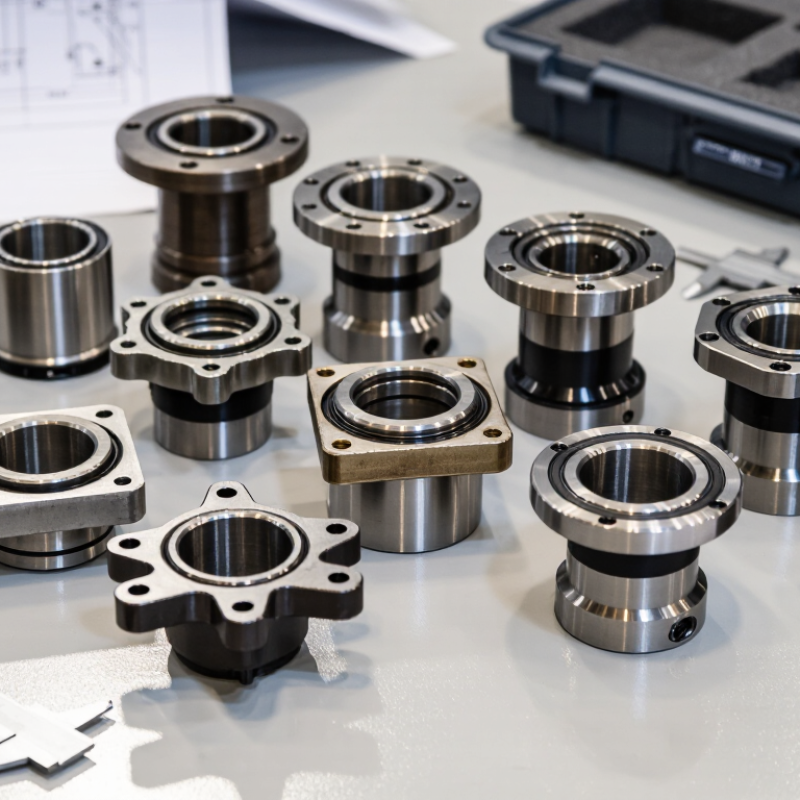
International freight operators use wagon adapters to manage differences in couplers, braking systems, bogies, and cargo interfaces. The most common types include knuckle-to-screw coupling adapters, automatic-coupler transition adapters, screw-coupling adapters, drawbar adapters, slackless drawbar adapters, brake-hose adapters, electrical jumper adapters, bogie adapters, axlebox bearing adapters, and container twist-lock adapters.
Each type solves a different operational problem. Knuckle-to-screw adapters support mixed fleets across regional networks. Drawbar designs reduce movement between permanently connected wagons. Brake-hose adapters require careful sealing, because a small leak can affect train braking performance. Bogie and axlebox adapters must match axle load, wheel profile, and suspension geometry. Container adapters need accurate locking dimensions and corrosion-resistant materials.
The UIC Railway Statistics 2024 report recorded more than 7.2 trillion tonne-kilometres of global rail freight activity in 2022, showing the scale of cross-border wagon use. The UNIFE World Rail Market Study 2024 also forecasts rail supply demand to grow by about 3% annually through the medium term. These figures support continued demand for compatible adapter systems. However, classifications differ between UIC, AAR, and national standards. That is an inconvenient detail. Buyers should verify load ratings, material certificates, fatigue test results, and interface drawings before approval. Field experience suggests that dimensional compatibility alone is not enough. Seasonal temperature changes, contamination, and repeated coupling shocks can expose weak designs.