What Is a Regenerative Thermal Oxidizer? Common Applications and Key Operational Considerations
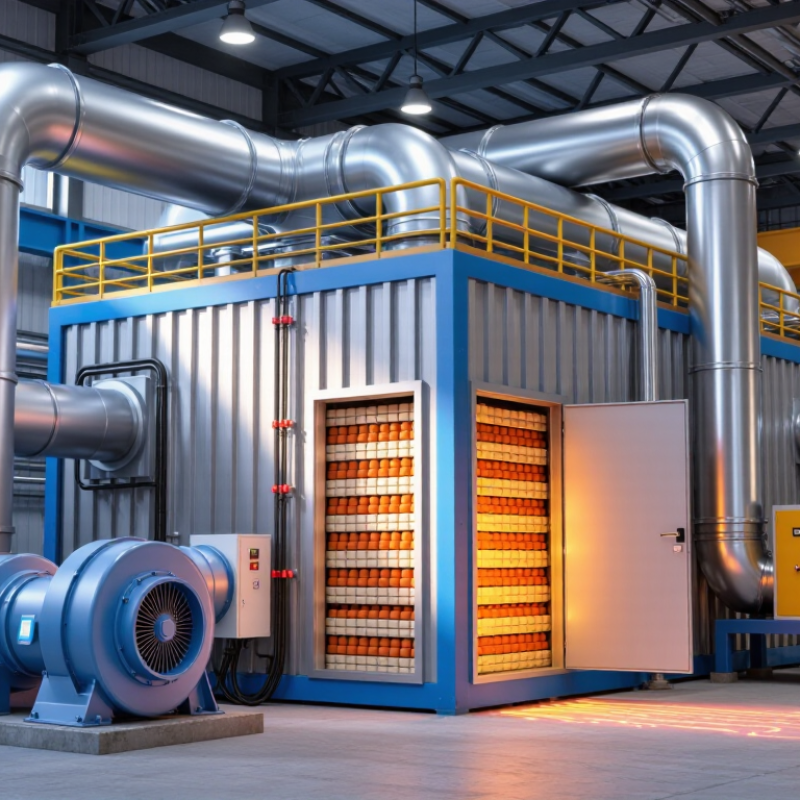
Regenerative thermal oxidizers are used to control volatile organic compounds in exhaust streams from processes such as paint coating, printing, and some chemical manufacturing. Inside the unit, hot ceramic beds capture heat from treated gas and transfer it to incoming exhaust. This heat recovery can reduce fuel demand compared with systems that discard most of their heat. The actual savings depend on the exhaust flow, pollutant concentration, and operating schedule.
Good operating decisions start with the process details. Exhaust flow and VOC levels can change during a shift, so operators should track both rather than rely on a single design estimate. Keep an eye on chamber temperature, pressure drop, and valve timing. Small changes matter. Dust, sticky aerosols, or condensed material can foul ceramic media and raise pressure drop. Some exhaust streams also contain compounds that may require added treatment or careful material selection; an RTO is not a universal answer.
Startup and shutdown deserve attention, too. A cold unit needs time and fuel to reach operating temperature, while frequent cycling may affect efficiency and equipment wear. Routine inspections can reveal leaks, damaged media, or switching valves that no longer seal well. Measurements are useful, but they do not explain everything. An unusual odor or a sudden change in pressure can be an early clue, though it should be checked against reliable process data.