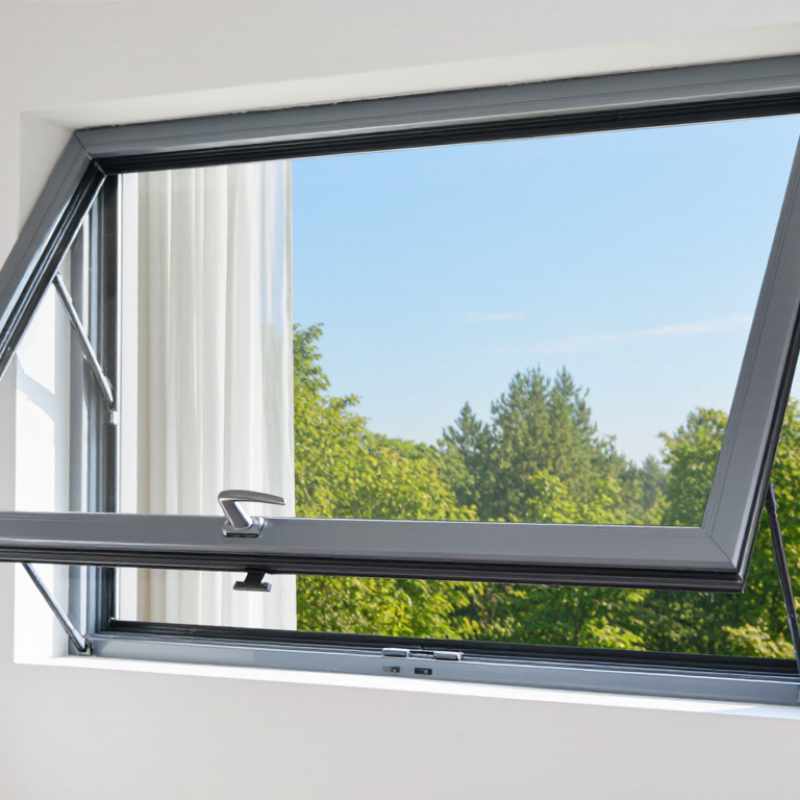
| 1. Compare frame construction | Aluminum frames are strong and can support slim sightlines, but metal conducts heat more readily than many other frame materials. | Check whether the frame has a thermal break, and review the whole-window energy ratings rather than judging by frame material alone. | Does the frame include a thermal break? What are the tested U-factor and solar heat gain coefficient (SHGC) for this exact window configuration? |
| 2. Match the glazing to your climate | Glass choice affects heat loss, solar gain, glare, and condensation. Double-pane insulated glass is common; low-emissivity coatings and gas fills may improve performance. | Compare NFRC-rated whole-window U-factor and SHGC. A lower U-factor means less heat transfer; the preferred SHGC depends on climate, orientation, and shading. | Are the ratings for the complete window, including its frame? Is the glazing appropriate for the window’s direction and local climate? |
| 3. Check operation and hardware | Casement windows open outward on hinges and are operated by a crank. Smooth operation, secure locks, and accessible hardware matter for everyday use. | Operate the sample several times. Check the handle, hinges, locking points, weatherstripping, and whether the sash can open without hitting an obstruction. | Can the hardware be adjusted or replaced? Is the handle reachable, and will the open sash interfere with a walkway, screen, or exterior fixture? |
| 4. Confirm measurements and fit | Replacement-window sizing depends on the existing opening and installation method. A poor fit can affect sealing, operation, and water management. | Have the installer verify opening dimensions, squareness, sill condition, and the chosen frame-to-opening clearance before ordering. | Who takes final measurements? Does the quote cover correction of hidden rot or out-of-square openings, or are those repairs extra? |
| 5. Review the installation plan | Installation quality affects air and water sealing as well as window operation. The work may involve a full-frame replacement or an insert installation, depending on the opening. | Ask how flashing, insulation, perimeter sealing, interior and exterior trim, and disposal will be handled. Confirm that the installation method suits the existing wall and frame. | What work is included in writing? Who is responsible for flashing and sealing, and how will the finished installation be inspected? |
| 6. Compare the complete project cost | The purchase price is only part of the budget. Labor, delivery, trim, permits where required, disposal, and repairs can change the final amount. | Compare itemized, like-for-like written quotes. Include the same number and size of windows, glazing, hardware, installation scope, and cleanup in each comparison. | Which items are included or excluded? Are permits, disposal, trim work, taxes, and potential repair allowances listed separately? |
| 7. Read warranty coverage carefully | Coverage can differ for frame finish, glass, hardware, and installation. Terms, exclusions, and claim procedures matter as much as the stated duration. | Check when coverage begins, whether it is transferable, what maintenance is required, and whether labor, shipping, or removal costs are covered. | Are product and installation warranties separate? What exclusions apply to coastal exposure, finish wear, glass failure, or improper maintenance? |