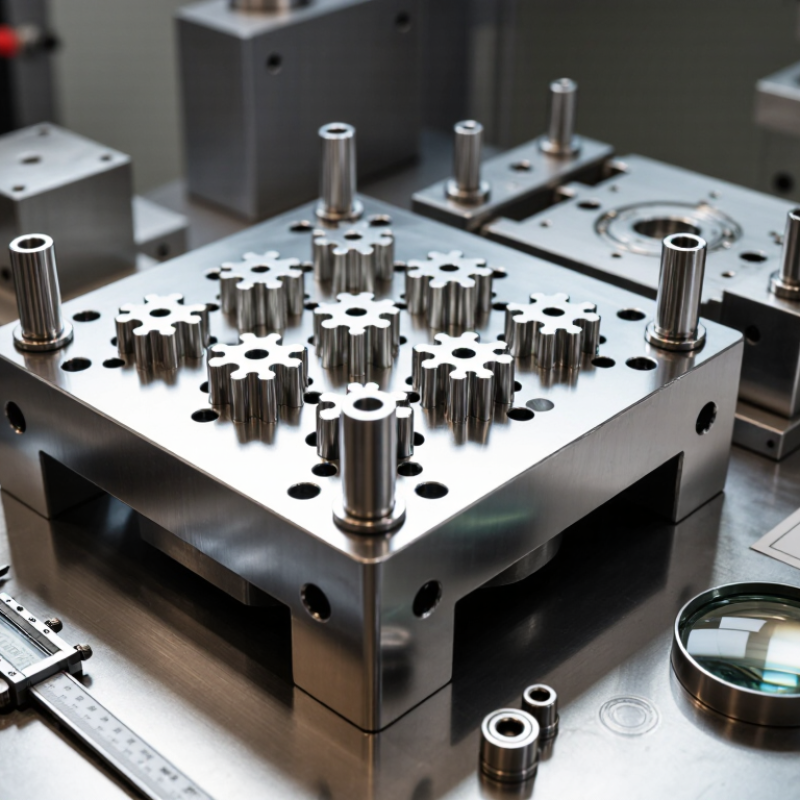
7 Tips for Choosing a Micro Injection Mold
A low tooling quote can hide higher production costs. Ask for a complete cost breakdown, including design changes, testing, surface treatment, and spare components. Compare the price per expected shot, not only the purchase price. A simple mold may cost less initially, but poor alignment can create flash and increase scrap. Request sample parts before approving final production. Small defects become expensive at high volumes.
Check the mold steel, cavity design, and expected service life. Hardened steel usually supports more cycles, while softer materials may suit short runs or prototypes. Confirm the supplier’s cycle estimate and define how it was calculated.
Tip three: inspect tolerance control. Micro parts often need stable dimensions across thousands of shots. Tip four: ask about replaceable inserts. They can reduce future repair costs. Tip five: examine cooling access, because uneven cooling may extend cycle times and cause warpage. These details affect both lifespan and output.
Maintenance needs deserve equal attention. Ask how often the mold requires cleaning, lubrication, vent inspection, and dimensional checks. Clear maintenance instructions should include torque values, inspection points, and recommended storage conditions.
Tip seven: verify repair support and spare-part availability before signing. A mold sitting idle for weeks can cost more than a higher-quality tool. I have seen cost comparisons focus too narrowly on the first invoice. That approach needs reconsideration. A reliable decision weighs purchase price, downtime risk, maintenance labor, part quality, and the mold’s realistic service life.