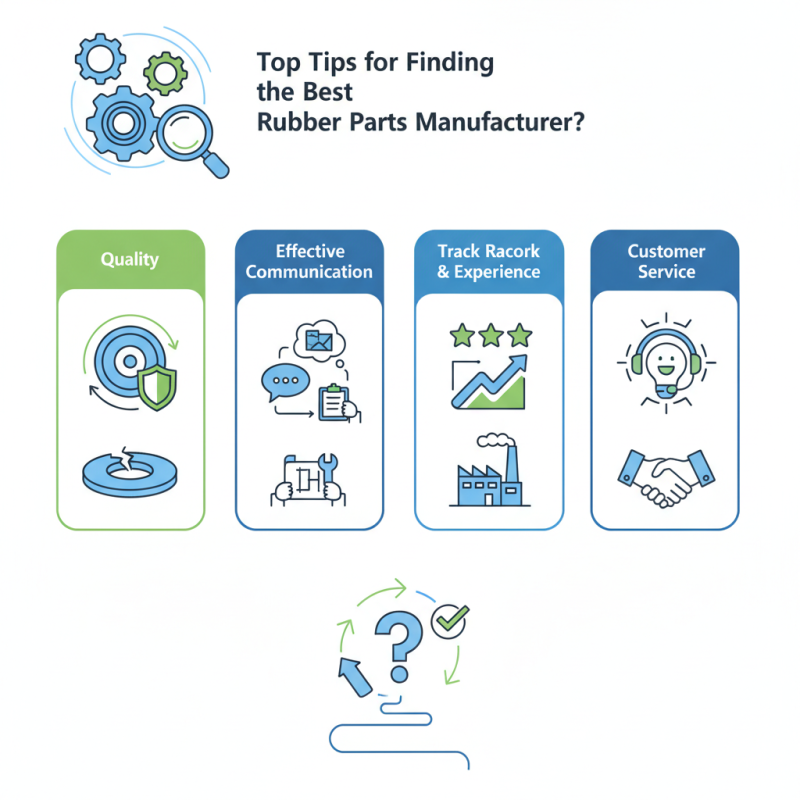
Top Tips for Finding the Best Rubber Parts Manufacturer?
Finding the right rubber parts manufacturer can be a challenging task. The industry is filled with numerous options, each claiming to offer the best quality. However, choosing the right one requires careful consideration and research. Quality is paramount in rubber manufacturing. Poorly made parts can lead to significant issues in your projects.
Effective communication is also crucial. A reliable rubber parts manufacturer should understand your specific needs and offer solutions. Look for a company with a strong track record and industry experience. This experience indicates both competence and reliability.
Moreover, the manufacturer’s approach to customer service can reveal much about their operations. Pay attention to how they address queries. A responsive team can make your partnership smoother. In conclusion, thorough research and thoughtful questions will guide you in selecting your ideal manufacturer.
Identifying Your Specific Rubber Parts Requirements
When searching for the best rubber parts manufacturer, defining your specific requirements is crucial. Understanding the material properties you need is a good start. Different types of rubber offer varying levels of durability, flexibility, and resistance. For instance, consider whether you need high-temperature resistance or chemical compatibility. Each application varies greatly, influencing your choice of materials.
Your intended use will determine the dimensions and shapes required. Some designs may necessitate tight tolerances, while others are more forgiving. It's essential to communicate these specifications clearly. Think about production volumes as well. Are you looking for custom parts in small quantities, or do you need mass production? This question will significantly affect your choice of manufacturer.
Lastly, be open to feedback during the process. A reliable manufacturer will provide insights. They may suggest materials or designs you hadn’t considered. This collaborative approach aids in refining your requirements. Keep in mind that the more information you provide, the better the outcome can be. Reflecting on your needs can lead to better decision-making.
Researching Potential Rubber Parts Manufacturers
When researching potential rubber parts manufacturers, it’s crucial to consider their experience in the industry. A manufacturer with years of expertise is more likely to produce quality products. They understand the nuances of rubber material and processing. Look for companies that have successfully worked on projects similar to yours. This will give you confidence in their capabilities.
Investigate their production capabilities and technology. A well-equipped facility can handle complex requirements. Ask about their quality control processes. Effective quality assurance ensures consistent results. Review customer feedback and case studies. These insights can reveal a manufacturer’s reliability and commitment to excellence.
Also, it’s important to question their flexibility. The best manufacturers adapt to changing demands and custom orders. If they lack this adaptability, it may affect your project's timeline. Lastly, think about communication. Smooth interactions often indicate a professional relationship. Clear communication helps in understanding your needs and expectations. Exploring these aspects can lead you to a reputable manufacturer.
Top Tips for Finding the Best Rubber Parts Manufacturer
Evaluating Manufacturer Experience and Expertise
When evaluating the experience and expertise of rubber parts manufacturers, several factors come into play. Industry reports indicate that companies with over ten years in the field tend to produce higher quality products. This experience means they have likely encountered various challenges and learned to navigate them efficiently. A manufacturer with a solid track record understands nuances in material selection and production techniques.
Certifications can also serve as indicators of reliability. A manufacturer that holds relevant industry certifications, such as ISO 9001, demonstrates a commitment to quality management. According to recent data, companies with these certifications report lower defect rates, typically around 3% compared to 10% in non-certified firms. This statistic underscores the importance of choosing manufacturers that prioritize established quality standards.
When assessing expertise, consider their product range and innovations. A diverse portfolio often reflects a manufacturer’s adaptability and knowledge in different applications. However, be wary of companies that may overstate their capabilities. Researching customer testimonials and case studies can help reveal any discrepancies. Looking deeper into their past projects can provide valuable insights into their true expertise and reliability.
Assessing Quality Control Standards and Certifications
When selecting a rubber parts manufacturer, quality control standards and certifications are paramount. According to a recent industry report, over 70% of manufacturing failures are linked to inadequate quality control. Therefore, evaluating a manufacturer's quality assurance processes is essential. Look for adherence to ISO 9001 standards, which establishes criteria for a quality management system. Compliance indicates that the manufacturer maintains a consistent level of quality in their products.
Additionally, assess any certifications related to specific industries. For instance, manufacturers supplying automotive parts should hold ISO/TS 16949 certification. This indicates a commitment to quality in production processes and minimizes defects. Yet, it’s crucial to remember that certifications don't guarantee perfection. Audit records may reveal issues not addressed in the certification process. Regular audits provide deeper insights into a manufacturer's quality control practices.
Moreover, communicating directly with the manufacturer about their processes can reveal valuable information. During discussions, inquire about their testing methods and how they handle defective products. Transparency here is a good sign. Yet, don't overlook negative reviews or complaints about a manufacturer. These can shed light on potential risks. Balancing certifications with real-world feedback is key in ensuring reliable partnerships in manufacturing.
Comparing Pricing and Lead Times Among Different Manufacturers
When comparing pricing and lead times among rubber parts manufacturers, careful analysis is essential. According to a recent industry report, the average lead time for rubber components ranges from 4 to 12 weeks, depending on complexity. However, discrepancies often arise based on the manufacturer's capabilities. Some manufacturers boast rapid prototyping options that can reduce lead times substantially, while others may require additional time due to limited resources.
Cost plays a critical role in the decision-making process. A study revealed that manufacturers operating in regions with higher labor costs often charge 20-30% more than those in low-cost areas. This difference can impact project budgets dramatically. It is crucial to assess not just the unit price, but also ongoing costs related to quality checks and potential rework. Quality should not be compromised for savings, as inferior parts can lead to increased expenses down the line.
Lead times can affect project timelines significantly. If a manufacturer offers a lower price but longer lead times, this delay may hinder your production schedule. Effective communication during the negotiation process can uncover hidden costs or unrealistic timelines. Balancing cost and time is challenging, but diligent research enables manufacturers to make informed decisions.