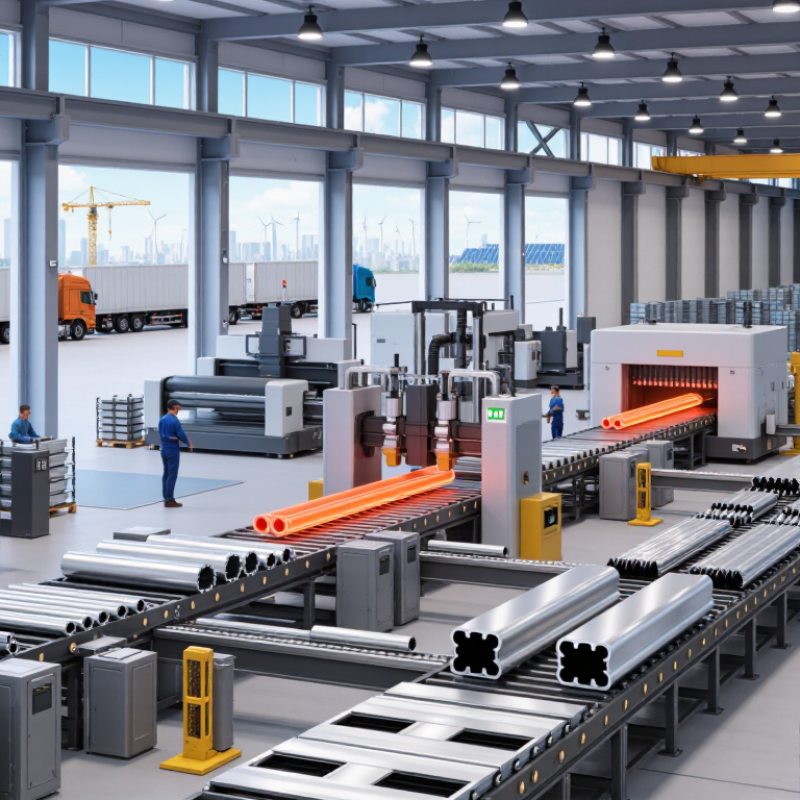
Global buyers comparing the top ten aluminum extrusion suppliers should inspect more than catalog size. Leading suppliers usually produce mill-finish, anodized, powder-coated, and precision-cut profiles. Common products include heat sinks, window frames, solar mounting rails, machine guards, and transport components. Some offer custom dies for unusual cross-sections. This matters when a drawing includes thin walls, tight tolerances, or hidden channels. Ask for sample lengths, die charges, and dimensional inspection records before approving volume production. Small details matter.
Reliable suppliers explain alloy selection, temper, surface treatment, and test methods in writing. Architectural projects often request 6063 alloys, while industrial parts may need stronger 6061 grades. Standards such as ASTM, EN, ISO, and local building codes guide chemistry, tolerances, coating thickness, and mechanical testing. However, certificates are not enough. Buyers should match each certificate to the actual batch number. Request traceability records, hardness results, and coating reports. Documentation can reveal weaknesses early.
The strongest supplier groups serve construction, renewable energy, electronics cooling, automotive equipment, furniture, and factory automation. Their experience should appear in practical evidence: aligned corner joints, straight rails, and finishes that survive handling. Production capacity also needs scrutiny. A factory may promise 500 tons monthly, yet tooling changes can delay a small order. Compare pilot runs, packaging methods, and corrective-action responses. No supplier is perfect. Even experienced teams can miss a tolerance when a design changes late. Clear drawings and direct feedback reduce that weakness.