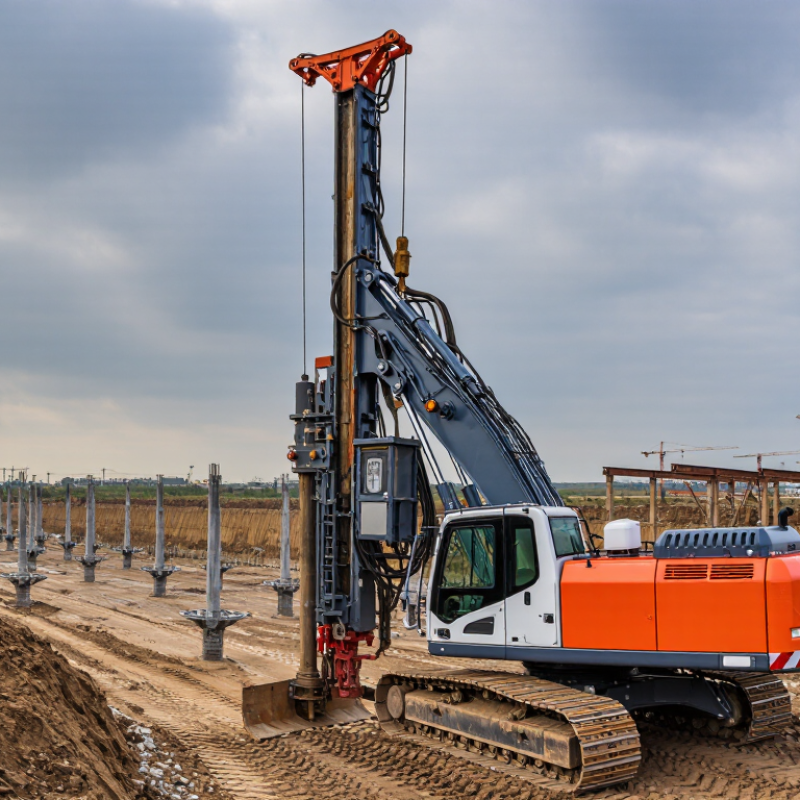
Comparing the top ten anchor drilling machine manufacturers starts with usable performance, not brochure figures. Models around 30–80 kW suit lighter soil nails and compact access. Units near 150–300 kW provide stronger torque for fractured rock, long anchors, and continuous production. However, power alone can mislead. Hydraulic efficiency, cooling capacity, and control response decide how much power reaches the bit.
Hole diameter changes the working load. A 100 mm hole generally needs less flushing volume and stabilizes faster in restricted locations. At 250–300 mm, compressors, pumps, and rod handling become critical.
Rod lengths from 2 to 6 m support tight sites and easier repositioning. Ten- to 20-m rods reduce connections, yet demand a taller mast and better alignment. A field trial should measure penetration rate, fuel use, vibration, and downtime, not only maximum diameter.
Experienced buyers also inspect service access, documented test data, and operator visibility. Ask whether rated output remains stable during simultaneous rotation and feed. That answer often separates practical equipment from impressive specifications. Still, comparisons are imperfect. Groundwater, abrasiveness, and operator skill can reverse the ranking. One machine may excel on limestone but struggle in loose fill. A reliable selection records soil conditions, actual rod changes, and maintenance hours across several sites.