| 1. Compact portable jetter | Portable frame or small cart | A high-pressure pump sends water through a small-diameter hose; a rear-facing nozzle jets help pull the hose into the line and flush loosened debris back toward the access point. | Hose length and diameter, reel, nozzle set, water-tank connection, and control layout | Small branch drains and indoor plumbing work |
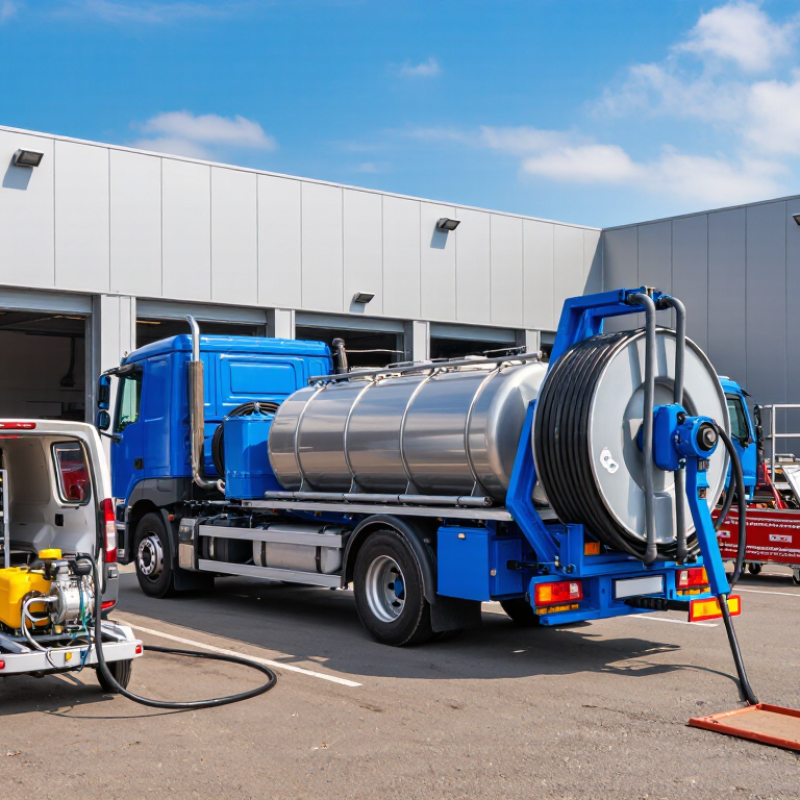
| 2. Trailer-mounted general-purpose jetter | Road trailer with tank, pump, engine, and hose reel | The onboard pump draws from the tank and supplies a jetting hose. Nozzle selection and the balance of pressure and flow are matched to the pipe and blockage. | Tank capacity, reel arrangement, engine choice, hose package, lighting, and tool storage | Routine municipal and contractor drain cleaning |
| 3. Skid-mounted jetter | Equipment skid fitted to a truck or service vehicle | A vehicle-mounted power source drives the pump; the hose reel feeds the nozzle through a manhole or cleanout to scour the pipe wall and move material downstream or back toward the entry point. | Skid footprint, tank integration, pump drive, reel position, service access, and remote controls | Fleet vehicles and operators needing a removable or vehicle-integrated unit |
| 4. Van-mounted jetter | Enclosed service van | The pump supplies water from a tank or approved supply to a hose reel. The nozzle uses directed jets to penetrate, scour, and flush deposits from the drain. | Interior reel layout, tank size, ventilation, spill containment, hose routing, and winter protection | Urban service work where enclosed equipment and compact parking are useful |
| 5. Truck-mounted high-capacity jetter | Heavy-duty truck chassis with larger water and hose systems | A higher-capacity pumping system delivers water through a larger hose and selected nozzle. Flow, pressure, and nozzle design determine cleaning action; the removed material is carried toward an access point or downstream. | Tank configuration, hose reel capacity, pump controls, boom or reel position, and optional vacuum-system integration | Larger sewer lines and demanding municipal maintenance tasks |
| 6. Hot-water jetter | Trailer, skid, van, or truck platform with a compatible heating system | Water is pressurized and heated before delivery to the hose. The nozzle directs the heated water into the drain; heat can assist with certain greasy deposits, subject to pipe and site constraints. | Heater type, fuel supply, temperature controls, insulation, and cold-weather package | Drain cleaning where grease or temperature-sensitive deposits are a concern |
| 7. Electric-powered jetter | Portable frame, cart, van, or site-powered system | An electric motor drives the water pump, which feeds the jetting hose. The nozzle's forward and rear jets help advance and clean the line. | Voltage and phase, motor controls, power-cable setup, enclosure, and compatible hose and nozzle sets | Sites with suitable electrical power or a preference for electric equipment |
| 8. Remote-control jetter | Trailer, skid, or truck-mounted system | The water-jetting process is the same as a standard unit, while remote controls let the operator manage selected functions from a position near the work area. | Remote start and stop, pressure adjustment, emergency shutdown, and control-system compatibility | Jobs where the operator benefits from controlling the unit near the hose entry point |
| 9. Compact-reel jetter | Small trailer, van, or compact service vehicle | A compact reel stores the jetting hose and feeds it into the line. The pump supplies the nozzle, which uses directed water jets to loosen and flush obstructions. | Reel orientation, hose guide, hose length, tank layout, and quick-connect fittings | Work in confined service vehicles or locations with limited equipment space |
| 10. Jetter with vacuum-system integration | Combined sewer-cleaning truck or coordinated jetter and vacuum equipment | The jetter loosens deposits with pressurized water; a compatible vacuum system can collect wastewater and solids at the access point or from a designated collection area. | Tank arrangement, hose and boom layout, debris handling, interlocks, and coordinated operator controls | Projects where flushing and collection of removed material are both required |