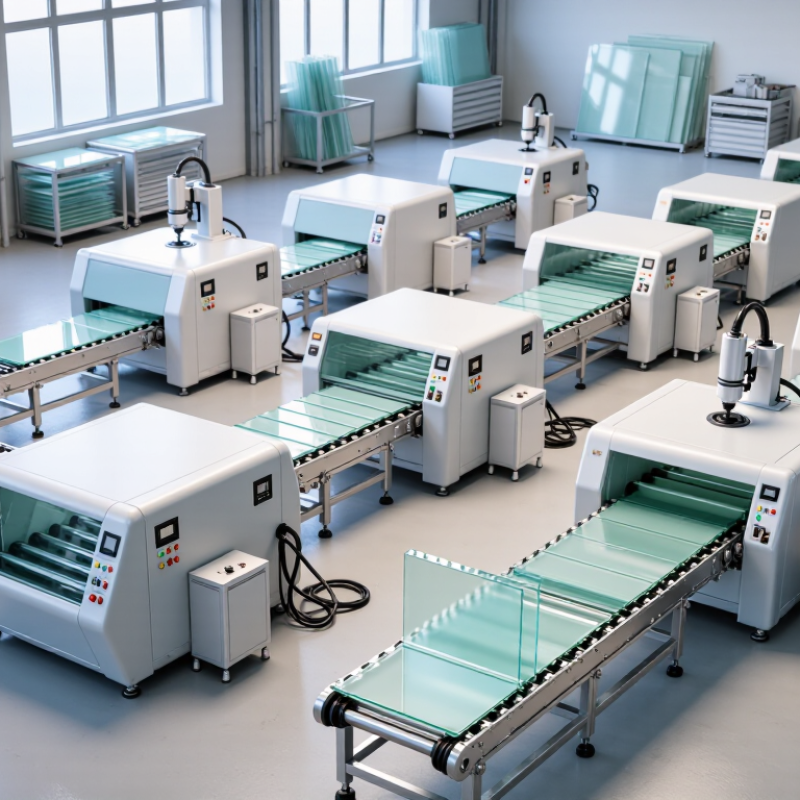
Glass Chamfering Machines Explained: Types, Processes, and Key Industry Terms
Glass chamfering removes sharp corners and creates a controlled angled edge. In production, machines usually fall into three groups: straight-line, CNC, and portable edge tools. Straight-line models suit repeated rectangular panels. CNC systems handle curves, cut-outs, and changing designs. Portable tools support repair work, but they require steadier operator control.
The process normally includes positioning, diamond grinding, water cooling, polishing, and inspection. Key terms include arris, bevel width, spindle speed, coolant flow, and edge quality. An arris is the small finished strip beside a glass edge. A bevel is the wider angled surface. Poor coolant control can create heat marks or micro-cracks. Those defects may remain invisible until installation.
Grand View Research’s 2024 flat glass market assessment projects about 6.2% annual growth through 2030. Solar panels and construction glazing are important demand drivers. The European Commission’s glass manufacturing reference document also identifies melting and processing as energy-intensive operations. This makes motor efficiency and water management practical buying criteria.
Tips: Check the required bevel width with a sample panel. Measure noise, vibration, water use, and cycle time. A fast machine may produce inconsistent edges. I have seen buyers trust brochures too quickly. Real workshop trials reveal more than polished specifications. Allow time for imperfect learning.