China Top 10 Industrial Automation Solutions Suppliers
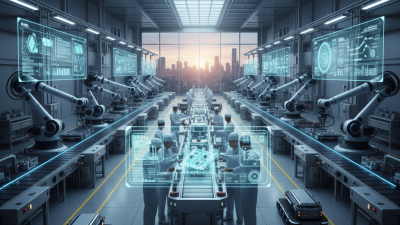
China has become a major force in industrial automation solutions, serving factories across electronics, automotive, logistics, energy, and food production. Its suppliers now provide more than individual machines. Many deliver complete systems, including programmable logic controllers, robotic arms, machine vision, motion control, and manufacturing software.
This article introduces ten leading Chinese suppliers in this field. The selection considers product reliability, engineering experience, sector coverage, technical support, and verified market presence. It also examines how each company performs in practical settings. A stable production line matters more than a polished brochure. Response time matters, too. A delayed replacement part can stop an entire workshop.
Some suppliers specialize in robotics. Others focus on control platforms, sensors, industrial networking, or integrated factory projects. Their strengths are not identical. One may offer strong hardware at a competitive price, while another provides deeper software integration and overseas service. Buyers should study both advantages and limitations.
The ranking is not absolute. It may change with industry needs, regional support, and technology development. That deserves attention. Public information can also vary in depth and accuracy, so readers should verify certifications, reference projects, warranty terms, and maintenance capabilities before making decisions. A supplier that looks suitable on paper may struggle with a demanding production environment.
These companies reflect China’s growing technical capability and manufacturing depth. Yet successful automation requires more than choosing a famous name. It requires clear process data, trained operators, careful testing, and realistic performance targets. This guide offers a practical starting point for comparing China’s top industrial automation solutions suppliers.
China’s Industrial Automation Solutions Market Overview
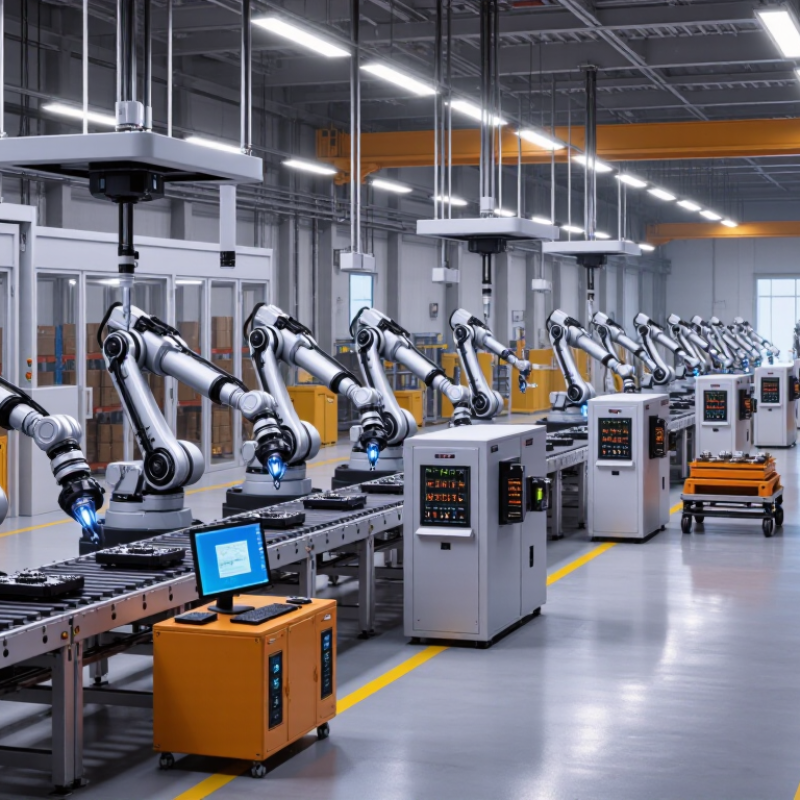
China’s industrial automation solutions market is moving from isolated machine upgrades toward connected, data-driven production systems. Demand comes from automotive components, electronics, food processing, logistics, and energy equipment. Factory managers increasingly seek robotics, programmable controllers, motion systems, machine vision, industrial networks, and manufacturing software from one project team. The market is broad, but purchasing decisions remain highly practical. Downtime, integration time, operator training, and spare-parts access often matter more than impressive specifications.
Local suppliers compete through customization, shorter response cycles, and familiarity with domestic production conditions. Many serve small and mid-sized factories that need phased modernization instead of complete replacement. A typical project links sensors to edge gateways, connects equipment through industrial Ethernet, and displays data centrally. Cybersecurity, functional safety, and data governance now influence procurement more strongly. Yet implementation quality varies. A polished demonstration cannot guarantee stable performance beside dust, vibration, temperature changes, or inconsistent wiring.
Reliable buyers usually examine field experience, engineering documentation, compatibility testing, and maintenance records before signing contracts. They should request measurable evidence, such as cycle-time gains, defect reduction, recovery speed, and five-year operating costs. Independent testing and clear acceptance criteria reduce disputes. Some projects still underestimate legacy equipment and worker training. That is a costly weakness. China’s market will likely favor solution providers that combine hardware knowledge with software integration, practical service teams, and honest limits. Automation improves processes, but it cannot repair unclear workflows or poor-quality data.
Criteria for Ranking the Top Ten Chinese Suppliers
Ranking China’s top industrial automation suppliers requires more than checking revenue or factory size. A credible review starts with verified project experience across manufacturing, logistics, energy, and process industries. We examine delivery records, system uptime, and the complexity of installed control systems. Site visits and customer interviews can reveal details that brochures often hide.
Technical capability carries significant weight. Strong suppliers should support PLC, SCADA, motion control, robotics, industrial networks, and data integration. Their engineers must solve real production problems, not only configure standard packages. We also assess cybersecurity practices, documentation quality, testing procedures, and compliance with relevant international standards. Clear maintenance plans and responsive local service improve reliability after installation.
Commercial stability matters too. We compare lead times, spare-part availability, training, warranty terms, and total ownership costs. Transparent quotations are more valuable than unusually low prices. The ranking also considers independent references and audited information where available. It is not perfectly objective. Large suppliers may receive more attention because their records are easier to verify. Smaller specialists can be overlooked, even when their engineering is excellent. Some customer data remains confidential, which limits comparison. For this reason, each position should be treated as a practical market assessment, not an absolute judgment.
Profiles of China’s Top Ten Industrial Automation Suppliers
China’s top ten industrial automation suppliers reflect a market shaped by scale, integration, and fast equipment upgrades. According to the International Federation of Robotics, China installed 276,288 industrial robots in 2023, representing about 51% of global installations. This demand supports suppliers offering motion control, programmable logic controllers, industrial sensors, machine vision, and robotic systems.
A useful profile of these ten suppliers should examine engineering depth, not advertising claims. Several focus on factory control platforms, linking controllers with drives and production software. Others specialize in robotic welding, packaging, warehouse handling, or precision assembly. Strong suppliers usually provide local commissioning teams, spare-parts access, and training near manufacturing clusters in the Yangtze River Delta and Pearl River Delta. A technician adjusting a servo motor on a production line may matter more than a polished product brochure.
The IFR also reported that China’s operational industrial robot stock exceeded 1.7 million units in 2023. That installed base creates recurring demand for maintenance, retrofits, and safety upgrades. However, supplier rankings remain difficult to fix. Revenue data may combine automation with unrelated equipment, while private companies often disclose limited figures. This is a weakness worth noting. Buyers should compare response time, system compatibility, cybersecurity controls, and verified project results before selecting among the ten profiles. A low purchase price can become expensive when a line stops at midnight.
Core Technologies and Industries Served by Leading Suppliers
China Top 10 Industrial Automation Solutions Suppliers
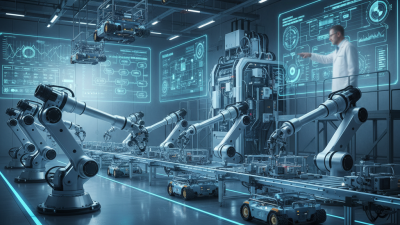
Leading industrial automation suppliers in China develop systems around PLC control, servo motion, robotics, machine vision, and SCADA software. These technologies coordinate sensors, motors, valves, and production data in real time. A well-designed control cabinet can reduce wiring errors and improve maintenance access. Industrial Ethernet and edge gateways also connect older machines with modern monitoring platforms. However, integration is rarely plug-and-play. Engineers must match communication protocols, cycle times, and safety requirements before installation.
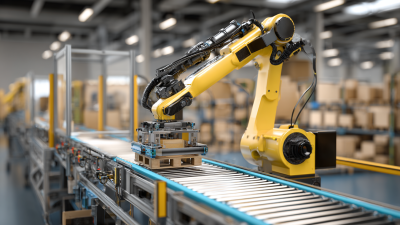
Different industries need different automation strengths. Automotive plants often require robotic welding, precise motion control, and vision inspection for body panels. Food processors depend on stainless-steel equipment, traceable data, and fast cleaning routines. Pharmaceutical facilities need controlled environments, batch records, and dependable alarm management. Logistics centers use conveyors, barcode readers, autonomous vehicles, and warehouse software to move parcels accurately. Energy, water treatment, electronics, and metal processing demand stable control under heat, vibration, dust, or changing loads.
Field experience shows that software quality matters as much as hardware performance. Suppliers with strong engineering teams usually provide simulation, commissioning, operator training, and remote diagnostics. Local service can shorten downtime when a drive fails at midnight. Still, a polished demonstration may hide difficult maintenance work. A practical evaluation should test spare-part access, cybersecurity processes, data ownership, and recovery after network loss. Small pilot projects reveal weaknesses early. They also expose an uncomfortable truth: automation can improve output while creating new training gaps for operators.
How to Select the Right Chinese Automation Solutions Provider
Selecting a Chinese industrial automation solutions provider requires more than comparing quoted prices. Start with the production problem. Define cycle time, load, accuracy, downtime, and expansion plans before contacting suppliers. A capable provider should ask for drawings, process videos, and control requirements. Be cautious when a proposal arrives within hours. Fast replies are useful, but they do not prove engineering depth. Request a technical review with named engineers, clear assumptions, and a risk register.
Evidence matters more than polished presentations. Ask for similar projects, acceptance criteria, commissioning records, and measurable results. A factory visit can reveal wiring quality, panel labeling, spare-parts storage, and testing discipline. Check whether the team understands local and international safety requirements. Confirm software ownership, cybersecurity controls, language support, and remote-service limits in writing. Do not overlook integration. The provider must explain how its system will communicate with existing equipment, sensors, and manufacturing software. A low purchase price may hide engineering changes, training fees, or long delays for replacement components.
Use a small pilot with agreed output, fault rates, and response times. Measure the result on your floor, not only in a demonstration room. During evaluation, notice how the supplier handles bad data or an unexpected alarm. That moment often reveals more than a perfect test. No provider is flawless. A transparent team admits limitations and documents corrective actions. I would also keep a second source for critical components, even when the main proposal looks convincing. This may increase early work, yet it reduces dependence and makes future maintenance more realistic. Maybe we trusted optimistic delivery estimates too easily in the past. That lesson belongs in the next contract.