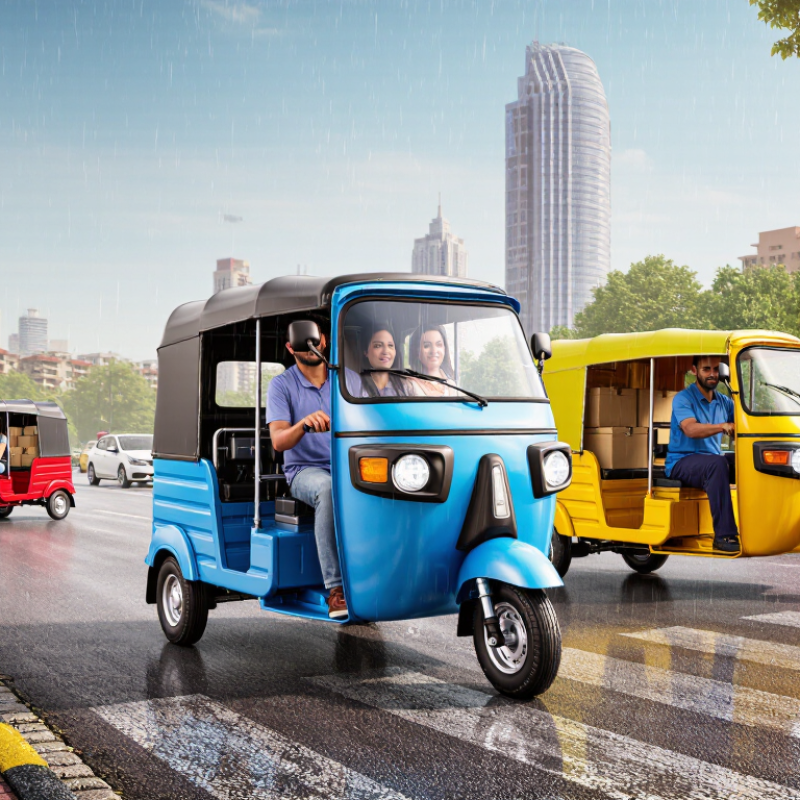
| 1 | Electric Cargo Trike | Two front wheels, one rear wheel, lockable cargo box or flatbed | Battery-electric, pedal-assist or throttle-controlled | 0.25–1.5 kW continuous motor output | 40–120 km per charge | 25–45 km/h | 100–300 kg | Hydraulic or mechanical disc brakes, lights, reflectors, parking brake; seat belts in enclosed versions | ★★★★★ | Urban deliveries, small businesses, campuses, and low-speed logistics | Excellent carrying efficiency and low operating cost, but range and stability depend on load distribution and road quality. |
| 2 | Enclosed Electric Mobility Trike | Two front wheels, one rear wheel, weather-protected cabin | Battery-electric with single hub or mid-mounted motor | 2–15 kW peak output | 60–180 km per charge | 45–90 km/h | 150–350 kg | Hydraulic disc brakes, windscreen, lights, wipers, seat belts, and rollover protection on higher-specification versions | ★★★★☆ | Daily commuting, urban transport, and regions with frequent rain or strong sunlight | Provides better weather protection than an open trike while using less energy than a conventional passenger car. |
| 3 | Light Utility Three-Wheeler | One front wheel, two rear wheels, open or semi-enclosed load area | Small petrol, diesel, or electric powertrain | 3–15 kW | 20–35 km/L for combustion versions; 70–160 km electric range | 45–75 km/h | 250–700 kg | Hydraulic or drum brakes, headlights, indicators, mirrors, and optional cabin protection | ★★★★★ | Rural transport, market distribution, farms, and short-distance commercial work | Strong payload-to-cost ratio and simple maintenance, although basic versions may have limited crash protection. |
| 4 | Enclosed Passenger Tuk-Tuk | One front wheel, two rear wheels, two to six passenger seats | Small-displacement petrol, diesel, or battery-electric | 5–25 kW | 18–35 km/L for combustion versions; 80–180 km electric range | 45–80 km/h | 300–650 kg including passengers | Seat belts in newer designs, doors or side curtains, lights, mirrors, and hydraulic brakes | ★★★★☆ | Taxi services, hotel transfers, tourism, and dense urban neighborhoods | Good passenger capacity and maneuverability, but buyers should verify occupant restraint and rollover standards. |
| 5 | Reverse-Trike Touring Vehicle | Two front wheels, one rear wheel, step-through or straddle seating | Petrol or battery-electric motorcycle-style powertrain | 15–85 kW | 250–450 km per fuel tank; 120–300 km electric range | 100–200 km/h | 180–300 kg including rider and luggage | Anti-lock braking system, traction control, daytime running lights, stability aids on advanced versions | ★★★☆☆ | Long-distance recreation, premium commuting, and riders seeking greater front-end stability | Offers strong acceleration and cornering confidence, but running costs and weather exposure are higher than enclosed vehicles. |
| 6 | Electric Delivery Trike with Refrigerated Box | Two rear wheels, insulated or refrigerated cargo compartment | Battery-electric with auxiliary cooling system | 1–8 kW continuous motor output | 35–100 km per charge under loaded operation | 25–60 km/h | 150–500 kg | Hydraulic brakes, reverse alarm, high-visibility markings, lights, and load-securing hardware | ★★★★☆ | Food delivery, pharmacies, grocery distribution, and temperature-sensitive goods | Well suited to predictable delivery routes; payload, cooling load, and charging time must be calculated together. |
| 7 | Accessible Mobility Trike | Low-step or ramp-access chassis with wheelchair or supportive seating area | Battery-electric, usually with automatic drive control | 0.5–5 kW | 40–150 km per charge | 15–45 km/h | 120–350 kg including occupant and mobility equipment | Low center of gravity, parking brake, restraint system, lighting, mirrors, and optional ramp retention points | ★★★★☆ | Accessible transport, retirement communities, hospitals, and short local trips | Prioritizes access and ease of use; buyers should confirm ramp angle, turning radius, restraint compatibility, and local road legality. |
| 8 | Off-Road Work Trike | Two rear wheels, wide tires, reinforced frame, rear or front utility bed | Petrol, diesel, or high-torque electric motor | 5–30 kW | 15–30 km/L for combustion versions; 40–120 km electric range | 25–70 km/h | 250–800 kg | Hydraulic brakes, protective frame, differential lock or traction control, work lights, and optional operator restraints | ★★★★☆ | Farms, plantations, construction sites, parks, and uneven private roads | High traction and useful low-speed torque, but it may require special registration and is not ideal for high-speed public roads. |
| 9 | Pedal-Assist Passenger Trike | Two rear wheels or two front wheels, passenger bench or child seats | Human-powered with electric pedal assistance | 250–750 W nominal assistance, subject to local law | 25–45 km per charge with pedal assistance | 25–35 km/h assistance limit in many markets | 80–250 kg | Mechanical or hydraulic disc brakes, lights, reflectors, wheel guards, and passenger restraints where fitted | ★★★★☆ | School runs, family trips, tourism, and short-distance neighborhood transport | Low energy use and easy access, but performance is sensitive to hills, rider effort, weather, and total load. |
| 10 | Compact Three-Wheel Microcar | Fully enclosed two-seat or small four-seat cabin | Battery-electric or small petrol engine | 6–25 kW | 100–250 km electric range; 25–40 km/L for small combustion versions | 45–100 km/h | 180–450 kg including occupants and luggage | Seat belts, headlights, mirrors, windscreen, parking brake, and ABS or airbags on selected configurations | ★★★☆☆ | Solo commuting, city parking, campus travel, and low-speed urban mobility | Uses little road and parking space, but buyers should carefully compare crash certification, cabin width, and highway permissions. |