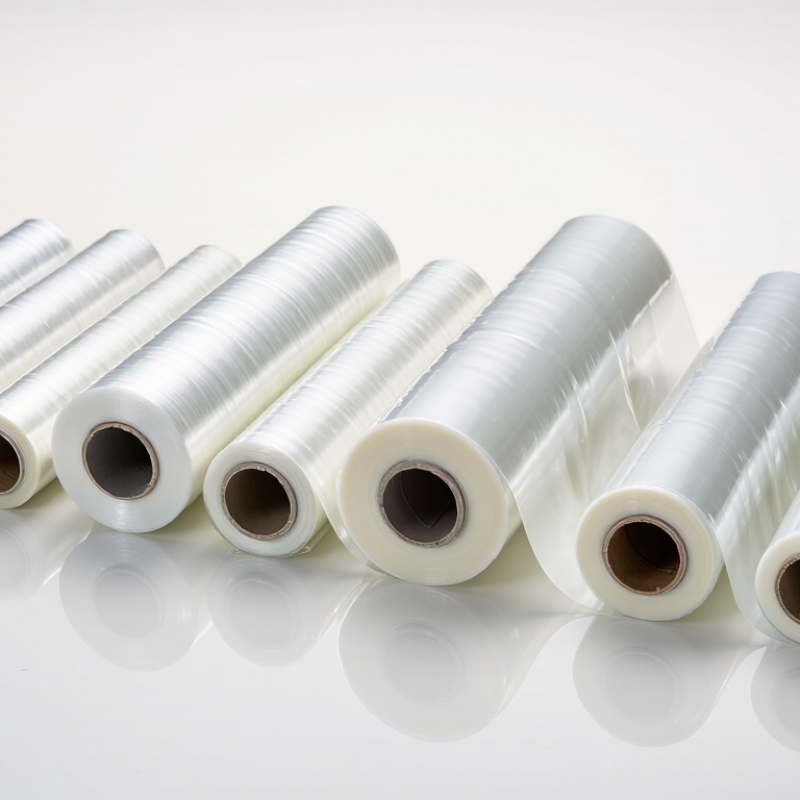
Choosing among ten 3D jelly UV printable TPU film manufacturers requires more than comparing catalog photos. Material quality comes first. Look for consistent TPU thickness, controlled softness, clear transparency, and stable elasticity. A jelly effect should look smooth, not cloudy or uneven. Films between 0.15 and 0.30 millimeters often balance flexibility and handling. However, the best thickness depends on the product surface and forming process.
Printing performance deserves practical testing. Request samples before placing a large order. Check ink adhesion after stretching, bending, and wiping. A reliable film should keep sharp graphics without cracking around curved edges. UV curing must be controlled carefully. Excessive energy can make the surface brittle. Weak curing may cause smearing or poor bonding. Small details matter.
Customization can include thickness, hardness, gloss, color tint, release liner, and roll width. Some manufacturers also adjust surface treatment for different UV inks. Ask for technical data, batch records, and test results. Pricing usually changes with resin grade, order quantity, tooling, packaging, and delivery distance. Very low pricing may hide inconsistent thickness or weak quality control. I have found sample comparisons useful, but they are not perfect. Humidity, printer settings, and operator skill can influence results. A second test is often necessary. Shortcuts disappoint.