Top 10 Angular Miter Gears for Your Next Project?
When it comes to precision engineering, "angular miter gears" play a crucial role in various machinery. Renowned expert John Carter, a leading figure in gear technology, once stated, "Selecting the right angular miter gears is essential for optimal performance." His insight highlights the importance of understanding these components.
Angular miter gears are essential in applications requiring smooth transmission of motion. They help in changing the direction of rotation in high-speed settings. However, choosing the most suitable gear can be challenging. With numerous options available, one might overlook the nuances between different types.
In this article, we will explore the top 10 angular miter gears for your next project. Each gear offers unique advantages, and we aim to help you make informed choices. It's vital to consider factors like material, tooth design, and load capacity. The right choice can enhance your project's efficiency while avoiding costly errors.
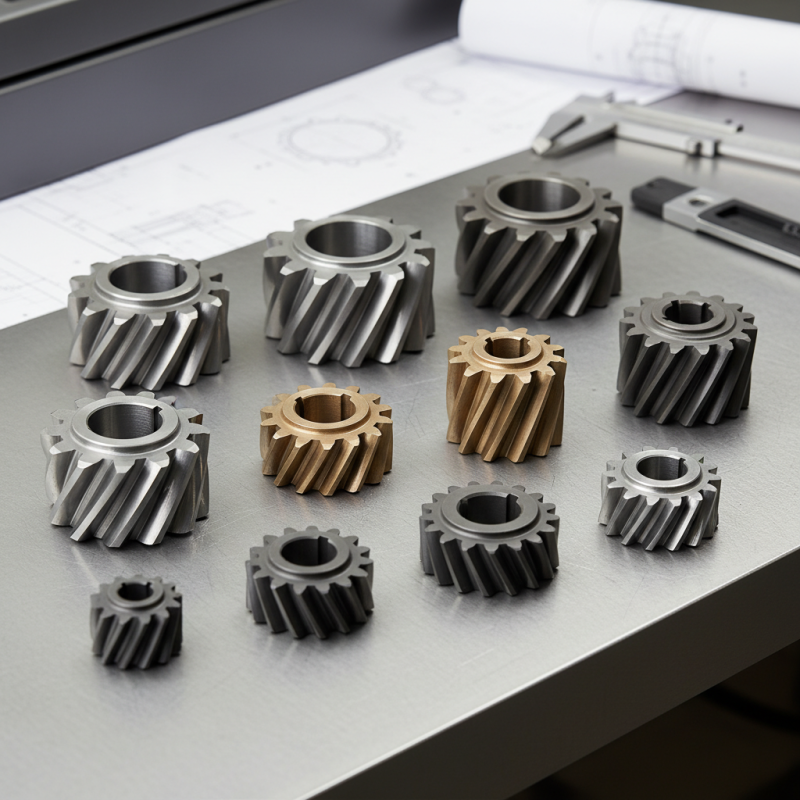
Understanding Angular Miter Gears and Their Applications
Angular miter gears are essential in various mechanical systems. They enable rotational motion while changing the axis of rotation. Their design allows for high-speed applications with minimal backlash. In many industries, these gears are crucial for driving applications with precise angles, usually 90 degrees.
A study from the Journal of Mechanical Engineering highlights that angular gears can operate efficiently in high-torque settings. They are often found in robotics, conveyor systems, and automotive applications. Engineers prefer these gears because they distribute forces evenly. This minimizes wear and extends lifespan. According to industry reports, improper gear selection can lead to significant maintenance issues, highlighting the importance of choosing the right type for your project.
Engineers face challenges when selecting miter gears. Matching the gear's specifications to the application conditions is not straightforward. Shape, material, and tooth design play key roles. A miscalculation can impact performance. Ideally, miter gears should be tested under real operating conditions. This testing ensures reliability and mitigates unexpected failures. Understanding the nuances of miter gear applications improves project success.
Key Factors to Consider When Choosing Angular Miter Gears
Choosing the right angular miter gears is crucial for the success of your project. Key factors should be carefully evaluated to ensure optimal performance. Load capacity is one significant consideration. According to industry reports, gears must withstand operational stress without failing. Selecting components with a suitable weight rating helps in achieving this.
Material selection is another important aspect. Gears made from high-quality steel or composite materials offer durability and longevity. Industry analysis indicates that using appropriate materials can extend the lifespan of these gears by up to 30%.
Tips for selection: always review technical specifications. Compare design features between products to find the best fit for your application. Pay attention to the gear’s pitch and pressure angle, as these impact efficiency. Ensure that the gears match in size and compatibility to avoid misfit issues.
Lastly, don’t overlook precision in manufacturing. Poorly made gears can cause vibrations and inefficiencies. It's helpful to check for certifications that indicate quality assurance, like ISO standards, to ensure reliability in your choices.
Top 10 Angular Miter Gears for Versatility and Performance
When selecting angular miter gears for your projects, versatility and performance are key. These gears play a crucial role in transferring motion and power at angles. The right choice can make or break your project. A seamless gear setup often leads to smoother operations.
Using high-quality materials is essential. Look for gears made from durable alloys. They withstand wear and tear better than plastic options. However, don’t ignore the importance of precision. Improperly aligned gears can lead to performance issues.
Tips for success: Always double-check your gear alignment before assembly. Misalignments can cause inefficiencies. Additionally, consider the load your gears will bear. Choosing gears that exceed your load requirements creates a buffer for durability. Regular maintenance and lubrication are vital as well. This reduces friction and enhances longevity.
Remember, trial and error is part of the process. Not every gear setup will yield perfect results immediately. Document your findings and adjust your choices accordingly. Learning from mistakes leads to improved performance over time.
Comparative Analysis of Leading Angular Miter Gear Brands
When selecting angular miter gears for your projects, understanding the difference between brands is crucial. Certain brands specialize in durability, while others focus on precision. The material used in the gears significantly impacts their performance. High-quality steel gears tend to withstand greater loads but might be heavier. Light alloy options provide good performance but may have limitations under stress.
Comparative analysis reveals that innovation is common among leading brands. Features like unique tooth designs enhance efficiency and minimize wear. However, users often find the manufacturing process of some brands lacking transparency. Not all gears are equally tested for quality, raising concerns about reliability. It's essential to weigh each option carefully.
Feedback from users across various platforms showcases varied experiences. Some report satisfaction with precision cutting, while others highlight inconsistencies. The learning curve for optimal use also varies, with simpler models requiring less expertise. This analysis emphasizes the importance of thorough research. Choosing the right gear might take time, but informed decisions lead to better outcomes.
Performance Comparison of Angular Miter Gears
Maintenance Tips for Enhancing the Lifespan of Angular Miter Gears
Maintaining angular miter gears is essential for their longevity and performance. Regular inspections help identify wear and tear early. Check for signs of corrosion or unusual sounds when in operation. These clues can indicate potential issues.
Proper lubrication is crucial. Use the appropriate oil to minimize friction. A well-lubricated gear reduces heat buildup, extending its service life.
Cleaning is often overlooked. Dust and debris can accumulate, affecting functionality. Ensure you clean the gears regularly to prevent build-up. Avoid using harsh chemicals that could damage the gears.
Monitoring operational loads can also help. Avoid overloading the gears to prevent unnecessary stress. Keep in mind that sometimes, the gears can't handle excessive pressure. Reflect on the working conditions and make adjustments as needed.
These simple maintenance tips can enhance the performance of your angular miter gears and prevent premature failure.