Top 5 Automation Solutions for Business Efficiency Today?
In today's fast-paced business landscape, efficiency is crucial. Automation solutions emerge as a key to achieving this goal. Michael O’Leary, a respected expert in automation, states, "Automation is not about replacing jobs; it’s about enhancing productivity." This perspective emphasizes the value of automation.
Many organizations struggle with manual processes. They face challenges such as delays and inefficiencies. The integration of automation solutions can streamline workflows and reduce errors. Companies that embrace automation often report significant time savings and improved accuracy.
However, implementing these solutions can be complex. Businesses must evaluate their specific needs and potential obstacles. Not every automation solution fits all organizations. This necessitates careful consideration and planning to truly harness the power of automation for better business efficiency.
Top 5 Automation Solutions for Business Efficiency Today
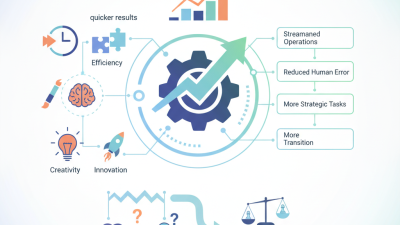
In today's fast-paced business landscape, automation solutions are essential for enhancing efficiency. Many companies are embracing technology to streamline operations. These tools help save time and reduce human error. For instance, automating data entry can lead to quicker decision-making. This is a crucial factor in remaining competitive.
However, not all automation systems fit every business. It’s important to assess specific needs before implementation. Some solutions may require extensive training or adjustment periods. Employees might feel overwhelmed by new tasks. It is essential to involve everyone in the transition process. Open communication can ease fears and resistance.
Finding the right balance between automation and human touch is vital. Too much reliance on technology can lead to disconnect. Businesses should regularly review their automation strategies and seek feedback. Small tweaks can make a significant difference. Adapting the approach based on employee experiences can result in smoother operations and better morale.
Understanding the Importance of Automation in Modern Business
Automation has transformed modern business landscapes significantly. A study by McKinsey indicates that over 60% of jobs could be automated in the coming years. This shift is not just a trend; it’s a necessity for business survival. Companies are now able to streamline operations and reduce overhead costs effectively. For instance, automation can cut operational costs by up to 30%, allowing resources to be reallocated to other critical areas.
Yet, while the benefits are clear, many businesses struggle with implementation. A Forrester report highlighted that around 40% of organizations face challenges when integrating automation tools. Employees may feel threatened by the technology, leading to resistance. It's vital to foster a culture of collaboration, where human and machine work together. Data shows that companies that address employee concerns about automation are 50% more likely to achieve positive outcomes.
Moreover, not all automation solutions are equal. Businesses need to carefully assess their specific needs. A generic approach can lead to wasted investments. Research from the World Economic Forum suggests that tailored automation strategies can improve productivity by as much as 20%. However, organizations need to revisit their strategies regularly to avoid stagnation and ensure continual improvement. The landscape of automation is ever-evolving, and staying static may be detrimental.
Evaluating the Most Effective Automation Tools Available
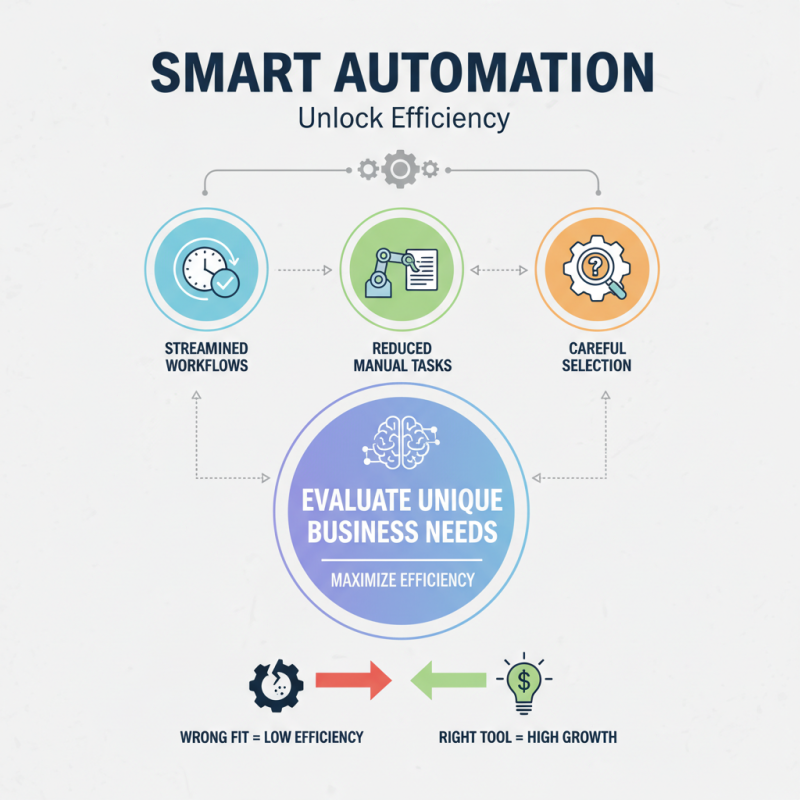
In today’s fast-paced business environment, automation tools play a vital role. They streamline workflows and reduce manual tasks. However, not every solution is right for every business. Companies must evaluate their unique needs carefully before selecting a tool. Understanding these needs is crucial for maximizing efficiency.
One popular approach is using automation for customer relationship management. Automating follow-ups can save time and ensure communications are consistent. Yet, some teams struggle with overly complex systems. Simplifying processes can often lead to better outcomes. Another area to consider is project management. Tools that automate task assignments foster collaboration. But if they are too rigid, teams may resist using them, undermining their effectiveness.
Businesses should also think about integrations. Many automation tools boast fantastic features. Yet, they may not work seamlessly with existing systems. This can lead to frustration and wasted resources. Testing different solutions before fully committing is wise. Gathering feedback from team members can reveal hidden challenges. Automating wisely requires both patience and a willingness to adapt.
Case Studies of Successful Automation Implementations
Automation can transform businesses significantly. However, not every implementation goes smoothly. One company sought to automate its customer service. Initial efforts failed due to outdated systems. Employees felt overwhelmed, and response times increased. The lesson? Ensure compatibility before diving in.
Another case involved a logistics firm. They automated inventory management to reduce human error. A few months in, they noticed discrepancies in stock levels. Communication issues between departments became evident. They learned the importance of regular updates and training for all staff. This ensures everyone is on the same page.
A healthcare provider decided to automate patient scheduling. The idea was to improve efficiency. Unfortunately, the system had a steep learning curve, causing frustration. Patients struggled with digital interfaces. Continuous feedback helped them adapt the system better to user needs. These cases highlight that automation requires careful planning and collaboration.
Top 5 Automation Solutions for Business Efficiency Today
| Automation Solution |
Industry |
Implementation Date |
Key Benefits |
Efficiency Gain (%) |
| Robotic Process Automation (RPA) |
Finance |
2021 |
Reduced processing time, improved accuracy |
40% |
| Workflow Automation |
Healthcare |
2020 |
Streamlined patient record management |
35% |
| Customer Relationship Management (CRM) Automation |
Retail |
2019 |
Enhanced customer engagement, targeted marketing |
50% |
| Supply Chain Automation |
Manufacturing |
2021 |
Improved inventory management |
45% |
| Email Marketing Automation |
E-commerce |
2022 |
Increased sales conversion rates |
30% |
Comparing Costs and Benefits of Each Automation Solution
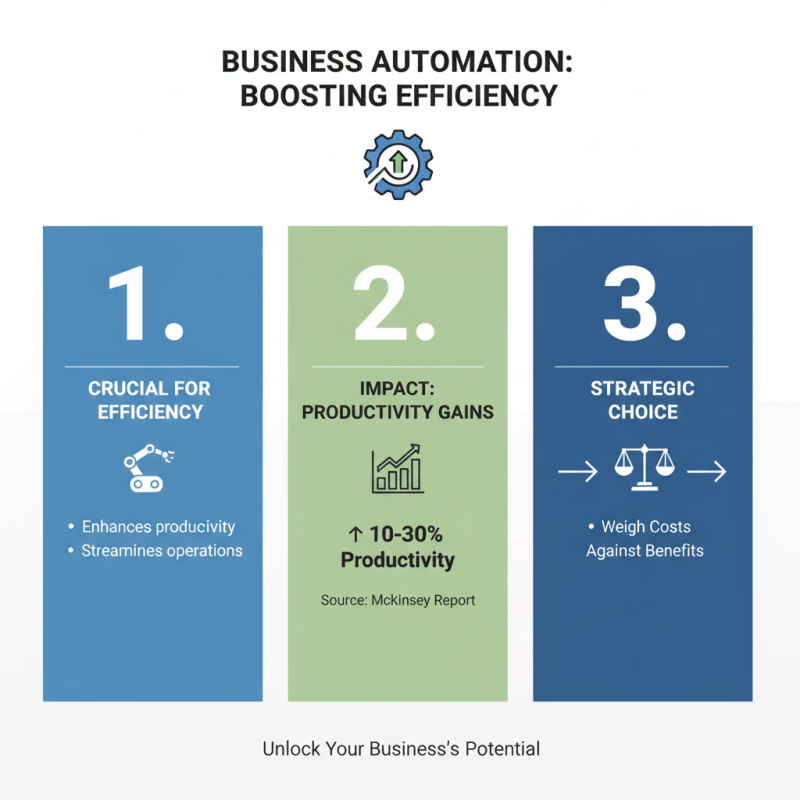
In today's business landscape, automation solutions are crucial for enhancing efficiency. A report from McKinsey indicates that companies can improve productivity by 10-30% through automation. However, choosing the right solution often involves weighing costs against benefits.
For example, robotic process automation (RPA) can streamline repetitive tasks. A Gartner study shows that RPA can reduce operational costs by up to 25%. Yet, initial implementation costs can be significant. Organizations must carefully assess their budgets. Training employees on new systems also adds hidden costs that can affect overall savings.
Cloud-based automation tools offer flexibility and scalability. According to Forrester, businesses experience a 30% reduction in IT costs by adopting these systems. Despite these financial benefits, concerns about data security persist. Integrating automation into existing workflows requires careful planning to avoid disruptions. Transitioning too quickly may lead to lost productivity, highlighting the need for a balanced approach.
Conclusion
In today's fast-paced business environment, adopting effective automation solutions is crucial for enhancing efficiency and productivity. This article explores the top five automation solutions that can significantly improve operations. It emphasizes the importance of automation in modern business, helping organizations streamline workflows and reduce manual errors.
Furthermore, the article evaluates various automation tools, showcasing successful case studies that highlight their impactful implementations. By comparing the costs and benefits, it provides a comprehensive understanding of each solution's value. Lastly, it offers insights into future trends in business automation, emphasizing how they may further influence efficiency and operational success. Embracing these automation solutions is essential for businesses aiming to thrive in a competitive landscape.