Request Quote

Request a quote from Nidec Drive Technology America Corporation.

This quote form is intended for customers and partners in North America seeking information about Nidec Drive Technology America Corporation’s Precision Gearing Technologies. For inquiries related to the Nidec motor group division or from outside this region, please visit the global Nidec Group website to find the appropriate regional or product-specific contact.

Subscribe to Nidec Newsletter

Subscribe to our email newsletter to stay current with our precision gearing solutions, featured products, company updates, and industry news.

Top 10 Electric Tricycle Types for Wholesale Buyers

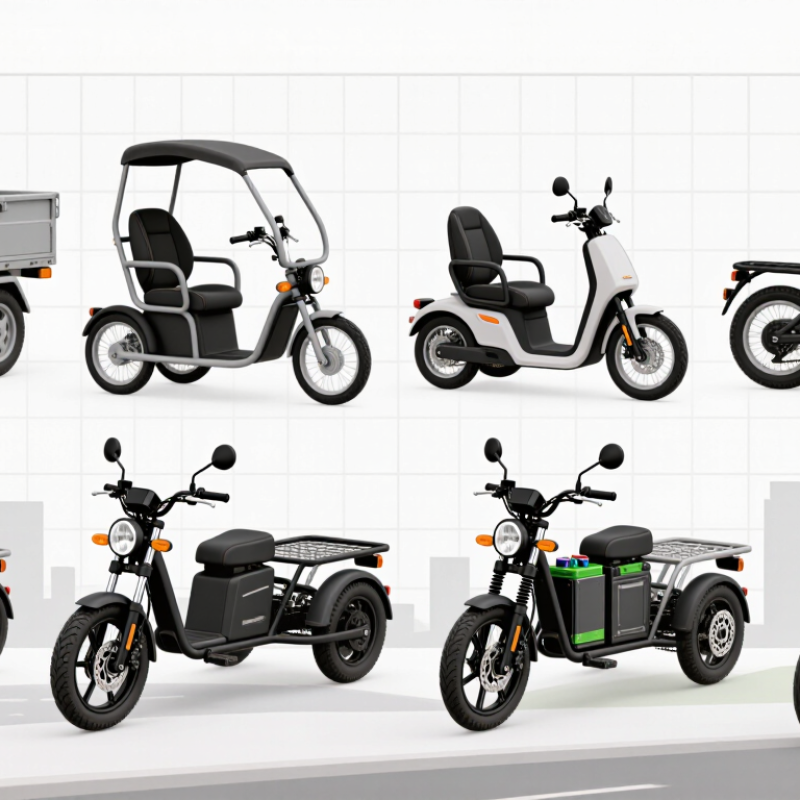
Wholesale buyers face a crowded Electric Tricycle market, with models built for cargo, passengers, mobility support, and daily commuting. Each type has different demands. A delivery tricycle may need a reinforced rear box, while a passenger model requires stable seating, dependable brakes, and weather protection.

Richard Thorpe, founder of Gocycle and an experienced electric mobility designer, once said, “Good design should make electric mobility simple, useful, and desirable.” This principle matters when comparing suppliers. A low price means little if the battery is difficult to replace, the frame flexes under load, or spare parts arrive late. Practical details matter. Tire size, motor placement, controller quality, charging time, and warranty support can affect long-term profit.

This guide examines the top 10 Electric Tricycle types for wholesale buyers. It considers common commercial uses, expected load capacity, rider comfort, maintenance needs, and customization potential. The review also looks at battery chemistry, range claims, safety equipment, and supplier communication. Some specifications may appear impressive on paper. Real streets can be less forgiving. Hills, rain, rough pavement, and frequent stops quickly expose weak components.

No single model suits every market. That is easy to overlook. Buyers should test samples, inspect welds, confirm certification documents, and calculate total ownership cost before placing large orders. A few conclusions may remain imperfect because regional demand and operating conditions vary. Still, the comparison provides a practical starting point for selecting reliable electric tricycles and avoiding expensive purchasing mistakes.

Top 10 Electric Tricycle Types for Wholesale Buyers

Classify the Top 10 Electric Tricycle Types by Drive System and Application

For wholesale buyers, electric tricycles should be classified by drive system and working environment. The IEA’s Global EV Outlook 2024 identifies electric two- and three-wheelers as a major electrification segment, especially in Asian urban markets. Battery choice also matters. BloombergNEF reported an average lithium-ion battery pack price of 139 US dollars per kWh in 2023.

The first category is the rear hub-motor cargo tricycle for flat-city deliveries. A mid-drive cargo tricycle suits slopes and heavier loads. A dual-motor hill-climbing tricycle supports construction routes and uneven streets. A differential-drive utility tricycle offers stable turning for warehouses. A front-assist passenger tricycle can serve short urban transfers.

Drive behavior changes sharply with payload. Test it fully loaded.

Application creates five further wholesale types.

The insulated cold-chain tricycle protects food and medicines during local distribution.

The agricultural tricycle carries tools, seedlings, and harvest crates across farm paths.

The waste-collection tricycle supports narrow alleys and repeated stop-start work.

The mobility-access tricycle prioritizes low entry height, hand controls, and balanced seating.

The campus or tourism tricycle emphasizes quiet operation, weather protection, and passenger comfort.

Industry estimates vary because some reports include powered cycles, while others count only road-ready vehicles. That weakens simple market comparisons. Buyers should verify rated payload, climbing grade, battery chemistry, charging time, braking performance, and replacement-part access. A low purchase price can become expensive when batteries, tires, or controllers fail early. Real route trials remain more reliable than catalog claims. Fit matters.

Compare Passenger Trikes Using 250–750 W Motor and 36–48 V Battery Benchmarks

Top 10 Electric Tricycle Types for Wholesale Buyers

Compare Passenger Trikes Using 250–750 W Motor and 36–48 V Battery Benchmarks

Wholesale buyers should compare electric tricycles by use, not appearance. Passenger models commonly include city taxis, canopy trikes, family carriers, mobility trikes, sightseeing units, and compact neighborhood shuttles. Cargo-passenger hybrids, utility trikes, rear-seat models, and foldable designs complete the ten practical categories.

A 250–350 W motor suits flat streets and lighter passenger loads. It usually supports gentle starts and lower energy use. For two adults, steep roads, or frequent stops, 500–750 W offers stronger hill performance. However, higher wattage can increase heat, controller stress, and battery drain. Motor power alone proves little.

Battery voltage changes the operating balance. A 36 V system is often adequate for short urban routes. A 48 V system can deliver stronger acceleration and better performance under load. Check ampere-hours, battery chemistry, charger quality, and replacement access. A 48 V battery with low capacity may disappoint quickly.

During product checks, measure stopping distance, frame movement, turning radius, and passenger step height. Ask for tested payload data. One mistake is trusting claimed range without testing hills, wind, and repeated starts. I once focused too much on motor wattage. The real weakness was poor weight distribution. Small details matter.

Assess Cargo Trikes by 150–300 kg Payload and 40–100 km Range

Top 10 Electric Tricycle Types for Wholesale Buyers

Assessing cargo trikes requires more than comparing motor power. Wholesale buyers should match each design to a clear payload range of 150–300 kg. Box trikes suit parcel delivery and groceries, while flatbed models handle crates, tools, and agricultural loads. Rear-dump trikes can speed up landscaping work, but their balance changes when the load shifts. Passenger-cargo hybrids offer flexibility, although they may sacrifice useful cargo volume.

Range claims need careful reading. A stated 40–100 km range often assumes moderate speed, level roads, light payload, and favorable weather. A 250 kg load can reduce practical distance, especially on hills or rough streets. Ask for test data at working weight, not an empty-vehicle figure.

Battery capacity, charging time, brake performance, tire size, and suspension also deserve review. Small details matter.

In field assessments, I check turning space, loading height, frame flex, and access to service parts. A low deck may save minutes on every delivery. Strong brakes matter more on a downhill route.

For wholesale orders, request sample units and repeat route tests before committing. A spreadsheet can still mislead. Some models look efficient until repeated stops drain the battery. Others carry heavy goods well but feel slow in crowded lanes. Buyers should document these trade-offs honestly, including weaknesses, because the cheapest unit is rarely the lowest-cost option over its working life.

Review Utility Trikes Against EN 15194, ISO 4210, and UL 2272 Requirements

Top 10 Electric Tricycle Types for Wholesale Buyers

Wholesale buyers should compare utility trikes by use, load, and compliance evidence. Common categories include cargo, delivery, passenger, mobility, folding, platform, refrigerated, agricultural, campus, and enclosed trikes. Each design creates different risks. A tall cargo box can affect braking and cornering. A passenger model needs stable seating, secure restraints, and clear entry points. Ask suppliers for test reports, production records, and component traceability.

EN 15194 is relevant to electrically assisted cycles in applicable European markets. Check rated power, assistance cut-off speed, braking performance, lighting, wiring, and user instructions. A compliant-looking display proves very little. ISO 4210 helps assess frame strength, steering, wheels, brakes, and fatigue resistance. However, it may not cover every electric tricycle configuration or operating condition. Request the exact test scope, not a certificate copied from another model.

UL 2272 focuses on the electrical system of personal e-mobility devices. Review battery protection, charger compatibility, wiring insulation, enclosure strength, and abnormal-operation testing. Confirm whether the evaluation covers the complete trike or only selected assemblies. This distinction is often missed. It matters. Practical checks still matter: inspect welds, measure stopping distance, test hill starts, and examine battery connectors after vibration testing. Standards improve purchasing decisions, but they do not replace field trials. Some supplier documents may be incomplete, and buyers should record that uncertainty rather than ignore it.

Rank Wholesale Models by Total Cost, Safety Data, and Fleet Scalability

Top 10 Electric Tricycle Types for Wholesale Buyers

Rank wholesale models by total cost, safety data, and fleet scalability. Purchase price alone creates poor decisions. A useful comparison includes battery replacement, charging equipment, service labor, tires, insurance, and downtime. Ask suppliers for tested payloads, braking distances, rollover evaluations, lighting specifications, and battery safety documentation. Marketing claims are not safety data.

For urban delivery, cargo-box tricycles rank first when weather protection and volume matter. Flatbed cargo tricycles rank second for flexible loads. Passenger tricycles follow, provided seating, restraints, and entry steps meet local requirements. Refrigerated cargo models rank fourth, but their energy use can raise operating costs. Tilting tricycles rank fifth for narrow, uneven routes. Utility tricycles suit maintenance teams. Low-step models help frequent riders. Enclosed models improve comfort but add weight. Compact models scale well in dense areas. Long-tail designs remain practical for lighter cargo.

Fleet scalability changes the ranking. Standardized batteries, shared spare parts, remote diagnostics, and simple training reduce service delays. A cheaper model may become expensive after six months. I have seen spreadsheets ignore charger queues and seasonal battery loss. That mistake is easy to repeat. Safety records should come from documented tests, repair logs, and verified field data, not confident sales language. Regional roads also matter. A model that performs well on smooth streets may struggle with steep grades, loose gravel, or overloaded racks. The ranking should be reviewed after real route trials.

Top 10 Electric Tricycle Types for Wholesale Buyers - Rank Wholesale Models by Total Cost, Safety Data, and Fleet Scalability

Comparative planning table for commercial fleet purchasing
Rank Electric Tricycle Type Typical Wholesale Price
(USD/unit)
Estimated 5-Year TCO
(USD/unit)
Rated Payload Typical Real-World Range Typical Speed Limit Key Safety Data Safety Baseline Score
(5 = strongest)
Fleet Scalability Best Wholesale Use
1 Long-Tail Cargo E-Tricycle $2,400–$4,200 $5,200–$8,300 150–200 kg 50–90 km Up to 25 km/h Low center of gravity; hydraulic or mechanical disc brakes; front and rear lights; reflective markings; parking brake recommended. 4.3/5 Very High Parcel delivery, grocery delivery, campus logistics, and urban service fleets.
2 Box Cargo E-Tricycle $3,200–$5,800 $6,700–$10,300 200–250 kg 45–80 km Up to 25 km/h Enclosed cargo protects load and improves visibility; dual rear brakes; side reflectors; weather-resistant electrical enclosure recommended. 4.4/5 Very High Last-mile parcels, pharmacy distribution, food delivery, and municipal routes.
3 Flatbed Utility E-Tricycle $3,000–$5,500 $6,300–$10,000 250–300 kg 40–75 km Up to 25 km/h Wide load deck; tie-down points; two independent braking circuits preferred; anti-roll protection and load guards required for uneven loads. 4.0/5 High Maintenance contractors, warehouses, farms, markets, and facility operations.
4 Low-Step Enclosed Utility E-Tricycle $3,800–$6,500 $7,500–$11,500 350–500 kg 60–100 km Up to 25 km/h Low step-through access; enclosed operator area; automotive-style seat belt where fitted; strong lighting; parking brake and reverse alarm recommended. 4.5/5 High Industrial parks, airports, campuses, resorts, and municipal service fleets.
5 Passenger Shuttle E-Tricycle $4,500–$8,500 $9,500–$15,500 4–6 passengers 40–70 km Up to 25 km/h Passenger handrails; individual seating; seat belts where required; non-slip floor; doors or side restraints; hydraulic braking preferred. 4.6/5 Medium–High Hotels, resorts, retirement communities, campuses, and private-site transportation.
6 Heavy-Duty Dual-Rear-Wheel E-Tricycle $6,000–$11,000 $12,000–$19,000 400–500 kg 40–80 km Up to 25 km/h Reinforced frame; dual rear tires; load-rated wheels; hydraulic disc or drum brakes; rollover protection and speed control required for heavy loads. 4.2/5 Medium–High Industrial transport, waste collection, construction support, and agricultural operations.
7 Tipper-Dump E-Tricycle $5,000–$9,000 $10,000–$16,000 300–400 kg 35–65 km Up to 25 km/h Hydraulic or electric lifting mechanism; mechanical bed lock; load guard; reverse warning device; stability must be checked during dumping. 3.9/5 Medium Waste handling, landscaping, construction sites, farms, and property maintenance.
8 Refrigerated Cargo E-Tricycle $6,500–$12,000 $13,000–$22,000 150–250 kg 30–60 km Up to 25 km/h Insulated cargo compartment; sealed wiring; temperature monitoring; strong braking; rear visibility aids; increased stopping distance when fully loaded. 4.1/5 Medium Fresh food, meal delivery, pharmaceutical support, and temperature-sensitive urban distribution.
9 Compact Folding E-Tricycle $2,000–$3,800 $4,500–$7,000 80–120 kg 40–70 km Up to 25 km/h Lower payload and shorter wheelbase require conservative cornering; folding locks must be mechanically secured; lights, reflectors, and dual brakes required. 3.8/5 High Rental fleets, mobility programs, compact warehouses, and low-volume delivery operations.
10 Recumbent Delta Cargo E-Tricycle $3,200–$5,500 $6,200–$9,400 120–150 kg 50–90 km Up to 25 km/h Stable three-wheel platform; comfortable low seating; high-visibility flag or lighting recommended; independent brakes and secure cargo retention required. 4.0/5 Medium–High Urban courier services, rental programs, accessible mobility, and light commercial delivery.

Cost assumptions: Wholesale prices and five-year total cost of ownership are indicative planning ranges based on common commercial configurations. TCO includes the vehicle, routine maintenance, electricity, tires, and one battery replacement where typically required; it excludes labor, financing, taxes, insurance, infrastructure, and downtime.

Safety methodology: Safety scores are comparative baseline estimates based on braking redundancy, visibility, load restraint, center of gravity, operator protection, and passenger protection. Actual compliance depends on configuration and local law. Verify applicable requirements under local vehicle, bicycle, electrical, battery, and occupational-safety regulations.

Fleet scalability: Ratings consider parts availability, battery interchangeability, service simplicity, operator training, charging requirements, and suitability for standardized fleet procurement.

Article Source: