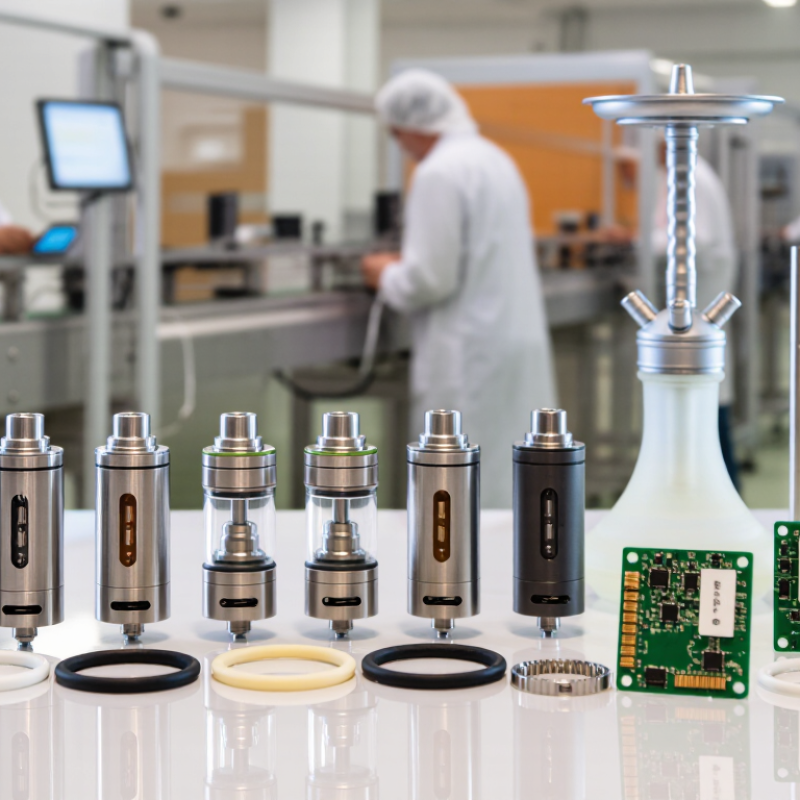
| Product specifications | Confirm device type, dimensions, materials, heating method, power input, battery capacity where applicable, and included accessories. | Dated specification sheet, component list, product drawings, and a production sample. | Clear specifications help prevent differences between the approved sample and the delivered order. |
| Regulatory requirements | Identify the destination market and check which product, electrical, battery, labeling, and import rules apply to the exact model. | Test reports or declarations tied to the model and market; verify validity and scope with the issuing body or a qualified compliance adviser. | Requirements differ by jurisdiction and product configuration; a generic certificate may not cover the item being purchased. |
| Battery and electrical safety | For models containing rechargeable batteries or electrical parts, check cell specifications, protection features, charger compatibility, and shipping classification. | Battery data sheet, applicable test documentation, charger details, and transport documents requested by the carrier or importer. | Battery safety and transport obligations depend on the battery and shipment; documentation should match the shipped configuration. |
| Quality control | Ask how incoming materials, in-process production, and finished products are inspected, and how defects and corrective actions are recorded. | Written inspection criteria, sample inspection records, defect-handling procedure, and pre-shipment inspection access. | A defined inspection process makes quality expectations easier to verify and enforce. |
| Factory and trading role | Clarify whether the contracting party manufactures the product, uses subcontractors, or acts as a trading company. Verify the legal entity and business scope. | Business registration details, production-site address, video or on-site audit, and written disclosure of subcontracting. | Knowing who makes and controls the product helps buyers assess oversight, traceability, and accountability. |
| Materials and product claims | Check material descriptions and request support for claims such as food-contact suitability, heat resistance, or reduced emissions where relevant. | Material declarations and independent test reports that identify the tested materials, method, and product scope. | Marketing statements alone do not establish that a material or performance claim has been independently verified. |
| Customization and tooling | Agree on artwork, colors, packaging, tooling ownership, revision approval, and the process for controlling design changes. | Approved artwork, signed sample, tooling terms, and a change-control record. | Written approvals reduce disputes about customized products and packaging. |
| Order terms and capacity | Confirm minimum order quantity, sample and mass-production lead times, production capacity, payment milestones, and remedies for delays or nonconformity. | Itemized quotation, signed purchase agreement, production schedule, and written acceptance criteria. | Specific commercial terms provide a clearer basis for planning and resolving order issues. |
| Packaging and shipping | Check protective packaging, carton dimensions and weight, shipping marks, export documents, and any battery-related carrier requirements. | Packaging specification, carton test or sample where needed, packing list, and shipping-document checklist. | Accurate packing information supports freight planning and helps reduce damage or documentation problems. |
| After-sales support | Agree on warranty duration, claim evidence, response times, replacement parts, and responsibility for confirmed defects. | Written warranty terms, service contact, spare-parts list, and documented claims process. | A written process makes post-delivery support more predictable than informal assurances. |
| Payment and verification | Match the invoice, contract, beneficiary name, and verified legal entity. Use payment terms and protections appropriate to the order and risk level. | Signed contract, independently confirmed bank details, and transaction records. | Independent checks can help identify payment-detail changes and reduce avoidable transaction risk. |