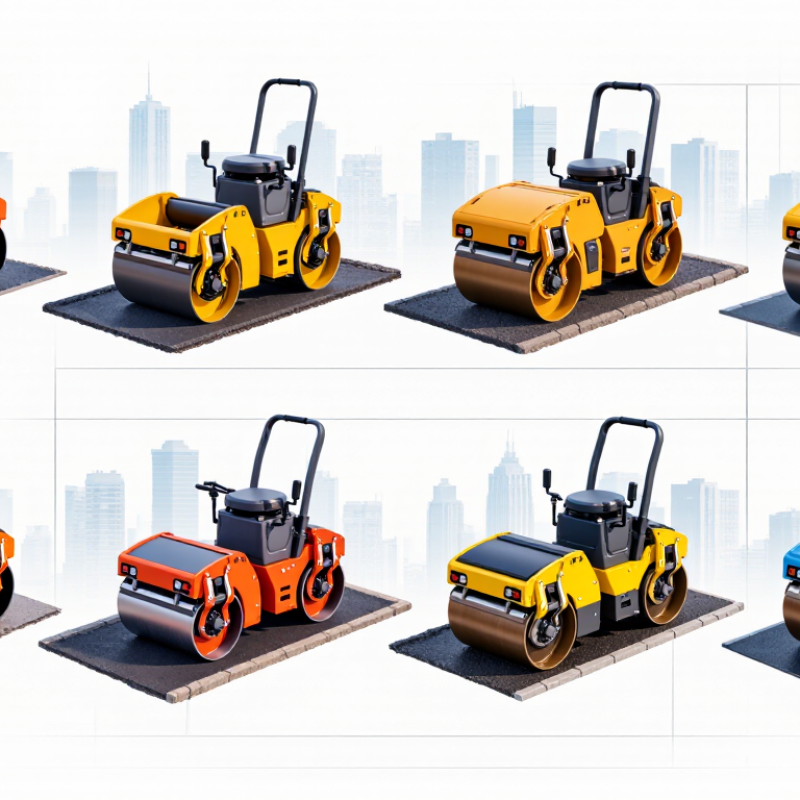
For global buyers comparing hand road rollers, a 0.6–1.0 m drum width and 0.5–2.5 t operating mass offer a useful screening range, not a universal specification. Narrow drums can reach path edges and tight repair zones. Wider drums cover more ground per pass. On soft subgrades, however, a heavier machine may sink or leave marks. Test the intended surface.
The Global Infrastructure Hub’s Global Infrastructure Outlook estimated worldwide infrastructure investment needs of US$94 trillion by 2040 across 56 countries. That is broad infrastructure, not a forecast for roller sales, but it signals varied site conditions and maintenance demands. For buyers, check transport weight, vibration settings, turning clearance, and access to service parts. A 0.8 m drum may suit sidewalks and patching; a 1.5 t unit can be easier to move than a machine near the top of the stated mass range. Small details matter.
Ask suppliers for compaction test records on comparable materials, rather than relying on drum width alone. Confirm whether operating mass includes fuel and water, since published figures can differ. On a sloped test strip, observe tracking and braking. Specs do not tell the whole story. I would still compare trial results: the stated range is practical, but not a substitute for site-specific testing.