What Are the Top Harness Connector Types in 2026?
Choosing a Harness Connector in 2026 means balancing current capacity, environmental exposure, serviceability, and cost. The International Energy Agency’s Global EV Outlook 2025 reports that electric car sales exceeded 17 million worldwide in 2024, representing more than one in five new cars sold. That shift increases attention to high-voltage connectors, but conventional low-voltage wiring remains essential across vehicle platforms. A sales report does not, by itself, prove which connector family is best; application details still decide.
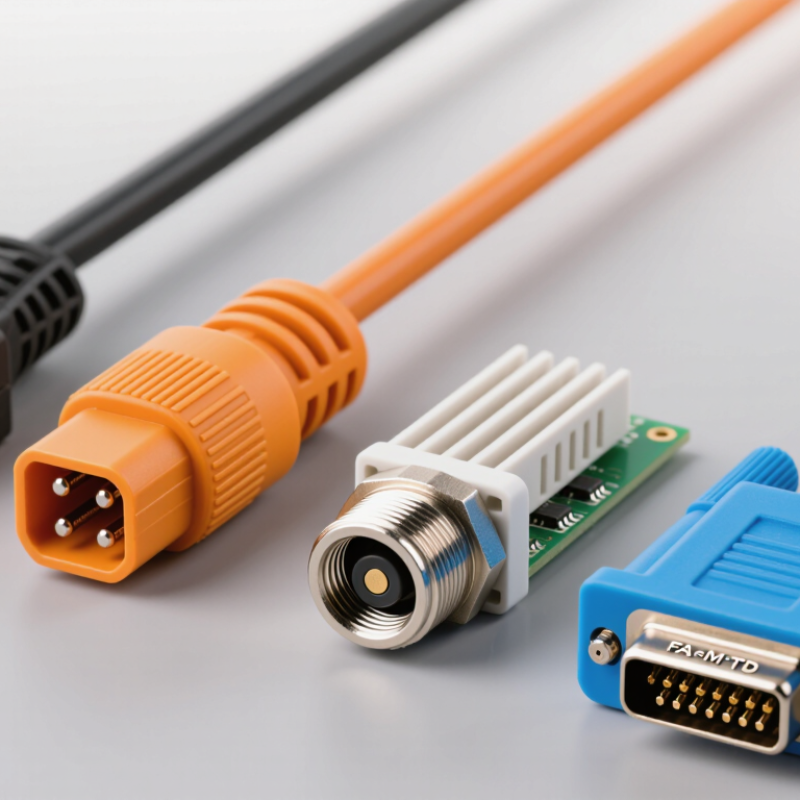
This guide compares common options: sealed automotive connectors, high-voltage connectors, circular connectors, board-to-wire connectors, and data connectors such as FAKRA and H-MTD. Each solves a different problem. A sealed connector may protect a harness near a wheel well, while a compact board-to-wire design can suit a crowded control module. High-voltage systems demand careful attention to current, insulation, and interlocking features. Small details matter.
For standards context, engineers can consult SAE and IEC publications alongside manufacturer specifications and vehicle-level requirements. Verify ratings against the actual operating environment, including vibration, temperature, moisture, and mating cycles. Catalog labels can be misleading. A connector described as “sealed” still has defined test limits, and installation quality affects real-world performance. This overview is a practical starting point, not a substitute for design validation; even familiar connector choices deserve a second look when packaging or service conditions change.
What Defines a Harness Connector and Its Role in 2026
What Are the Top Harness Connector Types in 2026?
What Defines a Harness Connector and Its Role in 2026
A harness connector is the detachable electrical interface between a wiring harness and a component, sensor, or another harness. It joins matching terminals while helping maintain electrical continuity, alignment, and, where designed, a seal against moisture or dust. The harness routes power and signals through a vehicle; the connector makes those circuits connectable and serviceable. Small part. Big consequences.
The International Energy Agency’s Global EV Outlook 2025 says electric car sales are expected to exceed 20 million worldwide in 2025. That shift puts more attention on connectors carrying higher currents, managing heat, and separating high-voltage circuits from low-voltage signals. Meanwhile, Grand View Research valued the global automotive wiring harness market at USD 55.89 billion in 2023 and forecast 5.3% annual growth through 2030. These figures indicate expanding system demand, not that one connector style suits every vehicle.
In 2026, connector selection depends on circuit function and installation conditions. Engineers check terminal capacity, locking strength, keying, vibration resistance, sealing, and available space. A sealed multi-pin connector may suit an exposed sensor circuit; a high-voltage design needs suitable insulation and touch protection. Fit is not enough. A connector can look secure yet fail if terminals back out or seals are pinched. Drawings deserve a second look, especially where service access is tight.
How Harness Connectors Are Classified by Design and Function
What Are the Top Harness Connector Types in 2026?
Harness connectors are best compared by how they mate, terminate, and protect circuits—not by shape alone. A connector family can be rectangular or circular, while its functional role may be signal, power, or mixed. Shape is only the start.
For exposed engine-bay or underbody wiring, sealed connectors use gaskets and positive latches to resist moisture, dust, and vibration. Unsealed versions suit protected cabin locations and can simplify inspection. Board-to-wire connectors join a harness to a circuit board; wire-to-wire types link separate cable sections. Crimp terminals are common because, with the correct wire size and tooling, they provide repeatable electrical and mechanical contact. Small details matter. Seal placement and terminal retention deserve a close check.
Connectors are also classified by function: low-current signal, higher-current power, or hybrid designs carrying both. Pin count, current rating, temperature range, keying, and service access should guide selection. A tight latch can prevent accidental separation, but slow repairs in a crowded panel. That trade-off needs a real fit check. Catalog labels rarely show how easily a connector can be reached after the harness is installed.
Common Harness Connector Types Used Across Industries
Harness connector types vary with current, space, vibration, and exposure to dust or moisture. In vehicles and outdoor equipment, sealed multi-pin connectors help protect several circuits inside one compact housing. Their gaskets and locking tabs need careful inspection; a connector that looks closed may not be fully seated. Circular connectors are common on machinery, sensors, and control equipment, where threaded or bayonet-style couplings can resist vibration. Rectangular connectors suit dense wiring layouts in appliances and industrial panels. Blade terminals remain useful for simple, low-complexity connections.
The housing shape is only part of the choice. Pin count, wire size, current rating, temperature range, and service access all matter. A connector that fits the drawing may still be awkward to assemble beside a crowded panel. Check the mating half, keying, and strain relief before finalizing a harness. For dusty or wet locations, confirm the specified protection level and use compatible seals. Do not assume every sealed-looking connector is suitable for immersion.
Tips: Verify each circuit against the wiring diagram, then gently tug test assembled terminals. Look for backed-out pins, uneven seals, and wires bending sharply near the housing. A clean routing plan helps, but real installations can be messier than the drawing.
What Are the Top Harness Connector Types in 2026?
Common connector formats used across industries — shown by contacts in a representative configuration.
Contact counts are configuration-specific, not a measure of popularity: automotive sealed connectors are available in many cavity counts; M12 connectors are common in industrial sensing and automation; 8P8C modular connectors and USB Type-C are used in data and electronic equipment; and D-sub connectors appear in industrial, communications, and control systems. Actual options vary by connector series and application.
How to Compare Connector Types for Different Applications
Choosing a harness connector means matching its design to the conditions at the connection point. For an engine bay or outdoor equipment, a sealed connector can help resist moisture and dust. Check its rated protection level and confirm that seals remain effective with the intended wire sizes. A rating alone cannot predict performance after repeated vibration or rough handling.
For compact electronics, board-to-wire connectors save space, but small contacts may limit current and make repairs awkward. Circular connectors can suit equipment exposed to vibration, especially when a secure coupling matters. High-current designs need contacts sized for the load, with temperature rise checked under real operating conditions. That matters. Compare pin count, wire range, mounting space, mating cycles, and the time needed for field replacement. A connector that fits on paper may be difficult to latch with gloves or reach behind a panel. Check the fit. Where possible, test a sample using the actual harness, enclosure, and expected movement. I would not rely on a quick bench test alone; it can miss problems that appear after heat, vibration, or repeated servicing.
