Top 10 Metal Forming Techniques for Global Buyers?
In the dynamic landscape of manufacturing, understanding the various methods of metal forming is crucial for businesses worldwide. Veteran metal forming expert, Dr. John Ellis, once stated, "Metal forming techniques are the backbone of efficient production." This statement highlights the essential role of metal forming in creating durable and precise components.
Over the years, numerous techniques have emerged, each with its advantages and specific applications. Techniques like deep drawing, forging, and extrusion are just a few examples. They not only enhance product quality but also optimize production efficiency. Buyers must keep up with these developments to make informed choices.
However, navigating this field can be challenging. Many companies struggle to identify the best methods suited for their operations. Choosing the wrong technique can lead to increased costs and wasted materials. As metal forming evolves, staying informed is essential for success in today’s competitive market. This exploration of the top techniques aims to guide global buyers through the complexities of metal forming.

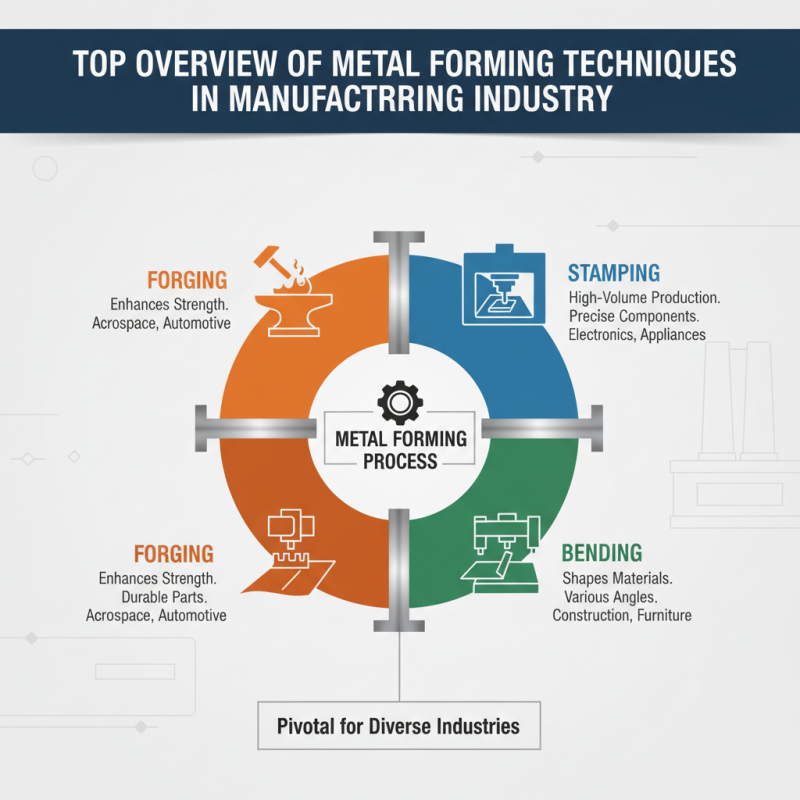
Top Overview of Metal Forming Techniques in Manufacturing Industry
Metal forming is a pivotal process in the manufacturing industry. Techniques like forging, stamping, and bending shape materials into desired forms. Each method has unique characteristics and applications. For instance, forging can enhance the strength of metals, creating durable parts used in various sectors. Stamping, on the other hand, is efficient for producing high volumes of precise components.
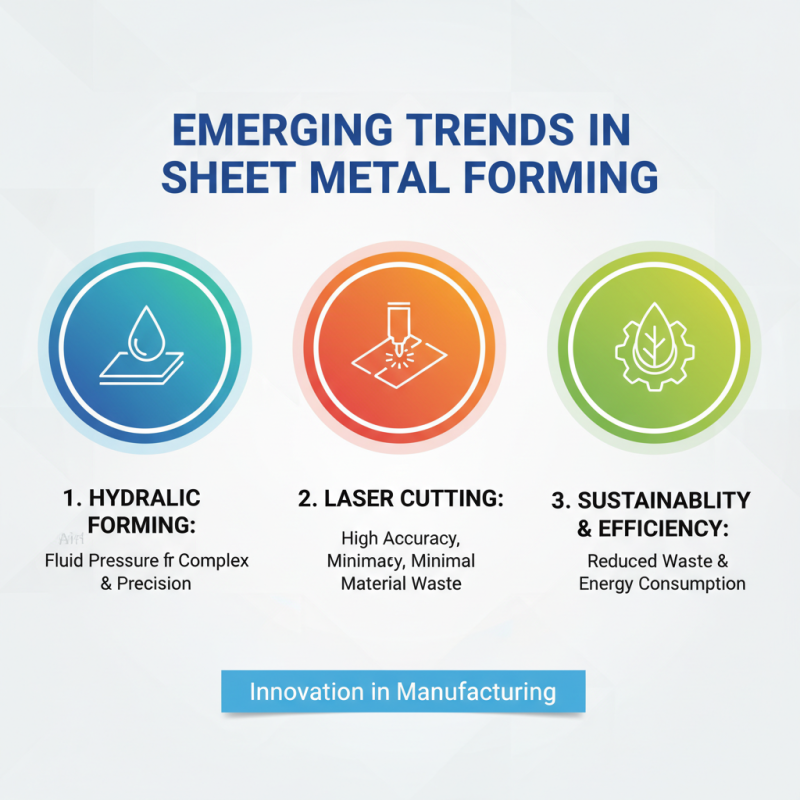
Choosing the right forming technique can pose challenges. Metal types, thicknesses, and production volumes influence decisions. Some methods, such as hydroforming, allow for complex shapes but require specialized equipment. Understanding the material properties is crucial. Many manufacturers overlook this aspect, leading to suboptimal results. The landscape of metal forming techniques is vast and constantly evolving, requiring ongoing education for industry professionals. Embracing new methods could improve productivity and reduce waste.
Understanding the Importance of Metal Forming for Global Supply Chains
Metal forming is crucial for global supply chains. It impacts cost, quality, and delivery times. Recent industry reports indicate that metal forming techniques can reduce production costs by up to 20%. This efficiency is vital for manufacturers competing in a global market.
Adopting advanced forming technologies is necessary for success. However, many companies face challenges. Poor material selection can lead to waste or product failures. According to data, nearly 15% of metal forming projects face rework due to improper specifications. These setbacks can disrupt supply chains significantly.
Moreover, skilled labor shortages can hinder production capabilities. A report by a leading industry group states that about 25% of metal forming firms struggle with workforce issues. Addressing these obstacles is essential. Companies must prioritize training and innovation to stay competitive in the ever-evolving manufacturing landscape.
Key Advantages of Die Casting in Metal Forming Processes
Die casting is a leading technique in metal forming processes. Recent industry reports highlight its efficiency and precision. This method can produce complex shapes with fine details, surpassing many alternatives. According to a survey by the International Die Casting Association, about 96% of die castings achieve tight tolerances, minimizing waste.
One key advantage of die casting is its speed. Components are produced quickly, allowing for higher production rates. Reports indicate that cycle times can be reduced to as low as 30 seconds for specific designs. This efficiency helps meet growing market demands. Additionally, the finished products often require less machining, reducing operational costs.
However, die casting isn't without challenges. Material limitations can restrict the range of metals used. Not all designs are suitable for this technique, necessitating careful consideration during planning. Furthermore, the initial tooling costs can be high. Companies must weigh these factors against the long-term benefits. Clearly, success in die casting demands both expertise and strategic foresight.
Comparative Analysis: Stamping vs. Forging in Production Efficiency
When examining production efficiency, stamping and forging stand out as two dominant metal forming techniques. Stamping utilizes dies to shape sheet metal. It is ideal for high-volume production. The process is quick, making it cost-effective for mass production. Projects often require less material waste, a significant advantage. However, stamping may limit the complexity of shapes.
Forging, on the other hand, involves shaping metal using compressive forces. This technique can create stronger parts due to the grain structure. It excels in producing components that demand high durability. However, forging tends to be slower and more labor-intensive compared to stamping. The initial tooling costs can also be higher. Employing forging for simpler shapes might not be the most efficient choice.
Both techniques have their merits and drawbacks. Choosing between stamping and forging depends on the specific requirements of a project. Understanding your needs and constraints is essential. Often, a hybrid approach could yield better results. Dedicating time to evaluate each method’s capabilities can lead to enhanced overall efficiency.
Top 10 Metal Forming Techniques for Global Buyers
| Technique |
Production Efficiency (%) |
Material Waste (%) |
Setup Time (hours) |
Cost (per unit) |
| Stamping |
85 |
10 |
2 |
$2.50 |
| Forging |
90 |
5 |
3 |
$3.00 |
| Bending |
78 |
12 |
1.5 |
$1.75 |
| Casting |
80 |
15 |
4 |
$4.50 |
| Extrusion |
87 |
8 |
2.5 |
$3.25 |
| Deep Drawing |
82 |
11 |
3.5 |
$2.90 |
| Shearing |
75 |
14 |
1 |
$1.50 |
| Rolling |
88 |
9 |
2 |
$3.10 |
| T Welding |
84 |
10 |
3 |
$2.80 |
| Laser Cutting |
86 |
7 |
2.5 |
$4.00 |