Request Quote

Request a quote from Nidec Drive Technology America Corporation.

This quote form is intended for customers and partners in North America seeking information about Nidec Drive Technology America Corporation’s Precision Gearing Technologies. For inquiries related to the Nidec motor group division or from outside this region, please visit the global Nidec Group website to find the appropriate regional or product-specific contact.

Subscribe to Nidec Newsletter

Subscribe to our email newsletter to stay current with our precision gearing solutions, featured products, company updates, and industry news.

Top 10 Metal Forming Tips for Efficient Production?

Metal forming is a critical process in manufacturing. It shapes materials into desired forms. Efficiency in metal forming can lead to significant cost savings and improved product quality. Understanding best practices is paramount for successful production.

In this guide, we explore the top ten metal forming tips. These strategies can enhance productivity and reduce waste. Each tip draws on industry experience, offering insights for both beginners and seasoned professionals. However, not every method fits all situations. It requires careful evaluation and adaptation.

Adopting these practices may require adjustments to existing workflows. Reflection on past challenges is essential. The goal is to create processes that work efficiently. Metal forming is not just about machinery; understanding the material behavior is equally important. Embracing innovation and learning from mistakes can pave the way for continuous improvement.

Top 10 Metal Forming Tips for Efficient Production?

Understanding Metal Forming Processes

Metal forming is a crucial process in manufacturing. It involves reshaping metal without altering its mass. This efficiency is vital for production. Understanding different forming techniques is key to optimizing outcomes. Techniques include forging, rolling, and extrusion. Each has unique advantages. However, not every method suits every application.

When selecting a forming process, consider material properties. Metals behave differently under stress and temperature. For instance, steel requires specific temperatures for effective forming. Knowing these details can prevent costly mistakes. The environment plays a role too. Humidity and temperature can affect metal behavior. This is often overlooked, leading to imperfections.

Moreover, one must reflect on the equipment used in metal forming. Tools should be properly maintained to avoid failures. Inconsistent tool performance can compromise quality. Regular checks are necessary. The training of operators also matters. Skilled personnel improve production efficiency. A lack of expertise can lead to errors and waste. Focusing on these details can help in achieving better production results.

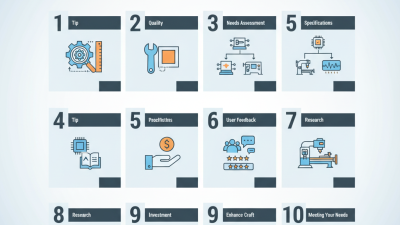
Top 10 Metal Forming Tips for Efficient Production

Tip Description Benefits
1. Select the Right Material Choose materials that suit the forming process to enhance efficiency and reduce waste. Improved material usage, reduced costs.
2. Optimize Tooling Regularly check and maintain tools to ensure precision and decrease downtime. Higher accuracy, less maintenance cost.
3. Implement Process Automation Use automated systems to streamline production and reduce manual errors. Increased speed, reduced labor costs.
4. Maintain Constant Temperature Keep the workspace temperature stable to ensure materials behave as expected. Consistent material properties, better results.
5. Utilize Finite Element Analysis Apply FEA to predict how metal will respond during forming processes. Reduced prototyping costs, quicker adjustments.
6. Regularly Train Staff Provide ongoing training to keep employees updated on best practices and tools. Enhanced productivity, safer workplace.
7. Monitor Production Metrics Track key performance indicators to identify areas for improvement. Improved efficiency, targeted interventions.
8. Optimize Layout Design the workshop layout to facilitate smooth material flow and minimize delays. Reduced production time, increased workflow.
9. Implement Quality Control Establish a robust QC system to catch defects early in the production process. Higher quality products, lower return rates.
10. Stay Updated on Industry Trends Keep abreast of new technologies and techniques in metal forming. Better competitiveness, innovation in processes.

Selecting the Right Materials for Metal Forming

Selecting the right materials for metal forming is crucial for efficient production. The choice of material affects the overall performance, durability, and cost of the final product. For example, using high-strength alloys may reduce weight without sacrificing strength. However, these materials can be more challenging to work with, complicating the forming process. Always consider the trade-offs between material properties and production efficiency.

In the metal forming process, ensure the material is suitable for the intended methods. Not all metals respond equally to techniques like stamping or bending. Some may crack easily or require more energy to shape. Testing different materials can yield better results. Always keep a variety of options on hand for experimentation.

Pay attention to the thickness and grain structure of the metal. Thicker materials might be more robust but can also lead to greater wear on tools. A material's grain direction can influence how it bends or stretches. This detail is often overlooked but can significantly impact production quality. Continual evaluation and adjustments based on forming outcomes can lead to improved efficiency over time.

Optimizing Tooling and Equipment for Efficiency

Optimizing tooling and equipment is crucial for enhancing efficiency in metal forming processes. Proper tool design can significantly reduce waste. Invest in high-quality dies and molds to ensure precision and longevity. This minimizes the need for frequent replacements. Regular maintenance of equipment also plays a vital role in maintaining production rates.

One effective tip involves analyzing the setup process. A streamlined setup can lead to faster production cycles. Organize tools and materials for quick access. This not only saves time but also reduces error rates. Ensure your team is well-trained in these processes to prevent delays.

Consider incorporating technology into your operations. Automated systems can help in monitoring machinery performance. This leads to proactive maintenance and reduces downtime. Embrace data analytics to track efficiency metrics. This insight can drive improvements and refine production strategies. However, remember that technology needs a proper understanding to be effective.

Top 10 Metal Forming Tips for Efficient Production

Implementing Quality Control Measures in Production

Implementing quality control measures in metal forming production is essential. It's not just about creating products; it's about ensuring they meet strict standards. Every step in the process should be monitored closely. This helps identify potential defects early, reducing waste and rework.

One effective tip is to establish a robust inspection routine. Regular checks of tools and machinery can prevent minor issues from escalating into costly errors. Training staff on visual inspection techniques is another vital component. They should be equipped to spot inconsistencies during the production run.

Incorporating data analysis tools can also enhance quality control. Analyzing production data can reveal trends that indicate underlying issues. This approach enables proactive problem-solving. It’s crucial to foster an environment where feedback is encouraged. Lessons learned from failures should be shared openly. By doing so, teams can refine their processes continuously and strive for excellence in every production cycle.

Training and Empowering Your Workforce for Success

Empowering the workforce in metal forming operations is crucial for enhancing productivity. A recent survey from the Fabricators & Manufacturers Association revealed that 70% of manufacturers believe trained employees drive operational efficiency. When workers possess comprehensive skills, they can troubleshoot issues independently, reducing downtime significantly.

Training programs must address not only technical skills but also soft skills. Employees should learn teamwork and problem-solving techniques. The Industry Week highlights that organizations investing in training experience a 24% increase in job performance. This investment fosters a culture of innovation. Regular workshops that combine practical exercises with theoretical knowledge can bridge skills gaps.

However, training initiatives often fall short. Only 53% of employees feel adequately trained in their roles. This gap indicates a need for ongoing assessments and tailored training solutions. Reflecting on employee feedback can also highlight weaknesses in existing programs. Continuous improvement is key, as the metal forming sector rapidly evolves with new technologies. Empowering your workforce through consistent training ensures they remain engaged and skilled.