Railway systems are vital for transportation, but they require regular maintenance. Effective Rail Maintenance Tools play a crucial role in ensuring safety and efficiency. As noted by Dr. Henry Lawson, a renowned expert in railway engineering, “The right tools can make all the difference in maintaining our railways.” This highlights the importance of choosing the best tools for track repair.
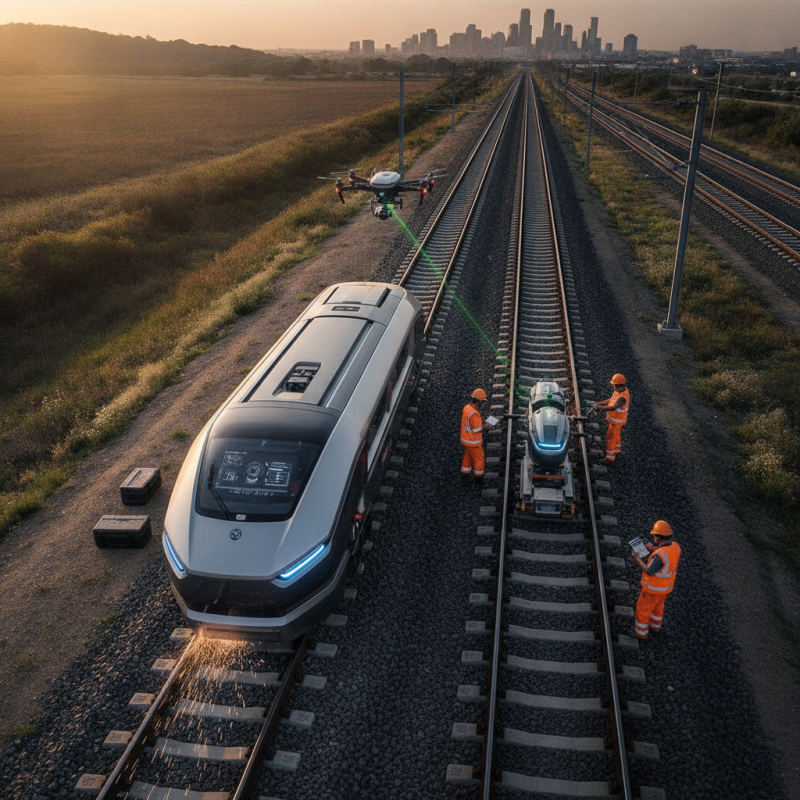
The landscape of rail maintenance is evolving. Today’s tools are more advanced and user-friendly than ever before. They often integrate technology that streamlines repair processes. For instance, specialized rail grinders and track inspection drones are making significant contributions. However, the industry still faces challenges. Many professionals acknowledge the need for training on these innovative tools.
While there is promising technology available, selecting the right Rail Maintenance Tools can be overwhelming. Some tools may not perform as advertised. Users must evaluate their options carefully. Understanding which tools best meet specific needs is essential. Despite advancements, the basics of rail maintenance should never be overlooked. Reliable and efficient tools are key to keeping our railways safe and operational.
Rail maintenance demands specialized tools for timely and efficient track repairs. Essential tools include rail grinders, track jack systems, and inspection cameras. Each tool plays a critical role in maintaining safety and performance. Rail grinders smooth out uneven surfaces, ensuring a safer ride. Track jacks lift the track precisely for quick repairs. Inspection cameras provide real-time visuals, detecting issues before they escalate.
However, even with the best tools, there can be complications. Weather conditions may hinder repairs, and equipment malfunction can lead to delays. Proper training for operators is crucial. Knowledge and experience significantly enhance the effectiveness of these tools. Workers need to be aware of their limitations. Regular maintenance of the tools themselves is often overlooked but essential.
An organized workspace contributes to efficiency. Safety protocols should always be a priority. Teams must communicate effectively during operations. Every repair is an opportunity to learn and improve techniques. Staying updated on emerging technologies can add to effectiveness. The goal is not just to repair but to enhance the overall integrity of the rail system.