Top 10 Stainless Steel Coil Tube Suppliers You Should Know?
In the rapidly evolving industry of Stainless Steel Coil Tubes, sourcing reliable suppliers is crucial. According to industry expert John Smith, "A well-chosen supplier can make or break your project." This statement underscores the importance of selecting the right company in this competitive market.
Stainless steel coil tubes are essential in various applications, from automotive to aerospace. Their versatility and durability make them a preferred choice for many industries. However, not all suppliers meet the same quality standards. Some claim high quality but fall short in actual performance. Prospective buyers must conduct thorough research and vet suppliers carefully.
The decision to partner with a stainless steel coil tube supplier should not be taken lightly. The wrong choice can lead to delays and increased costs. The market offers numerous options, but the best ones are known for their reliability and service. As we explore the top suppliers, it is imperative to consider their track records and customer feedback.
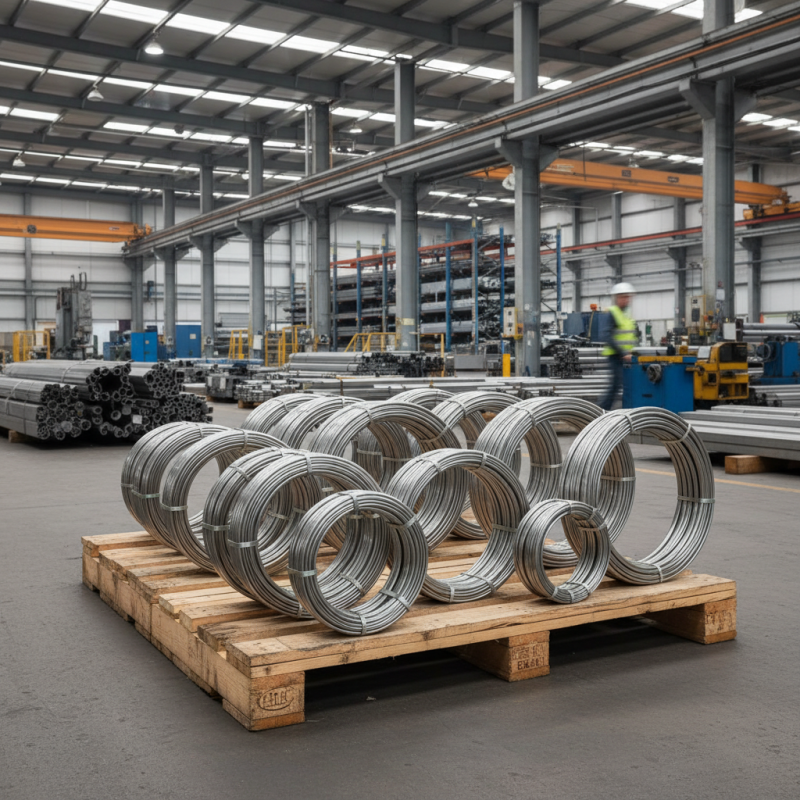
Top 10 Global Suppliers of Stainless Steel Coil Tubing in 2023
In 2023, the global demand for stainless steel coil tubing continues to rise. The increase is driven by sectors like automotive, construction, and energy. According to industry reports, the market is expected to grow at a CAGR of 5.2% over the next five years. This growth reflects a broader trend in infrastructure development.
Quality and reliability are key factors when selecting suppliers. Many manufacturers face challenges in sourcing high-grade materials. Some reports indicate that supply chain disruptions can affect delivery schedules. Suppliers must be agile and responsive to market changes. Transparency about material sourcing and testing is critical for trust.
Several leading suppliers offer innovative solutions to meet customer needs. They utilize advanced technologies for manufacturing and testing. However, not all suppliers adhere to the same standards. Companies should evaluate capabilities, certifications, and customer feedback before making procurement decisions. As the market evolves, suppliers must adapt to ensure they meet stringent quality requirements.
Market Share Analysis of Leading Stainless Steel Coil Tube Manufacturers
The stainless steel coil tube market has seen significant evolution in recent years. Data from industry reports indicate that global demand is projected to reach 1.2 million metric tons by 2025. This growth trajectory stems from increasing applications in construction, automotive, and HVAC industries. Stainless steel coil tubes offer durability and resistance to corrosion, which contributes to their rising popularity.
A market share analysis reveals leading manufacturers controlling about 60% of the sector. Key players emphasize innovation and quality. However, smaller players also hold niche markets. Their ability to offer customized solutions draws attention. The competitive landscape is fragmented, with various suppliers emerging to meet diverse consumer needs. Despite strong competition, challenges persist. Fluctuations in raw material prices impact profit margins across the board.
Furthermore, sustainability concerns urge manufacturers to adopt eco-friendly practices. Reports suggest that companies investing in greener processes may gain a competitive edge. Industry experts believe that adapting to these changes is essential for long-term success. Buyers seeking reliable suppliers must navigate this complex market to find the right fit for their specific applications.
Key Industry Trends Influencing Stainless Steel Coil Tube Supply Chains
The stainless steel coil tube market is shaped by several key industry trends. Demand for energy-efficient solutions drives innovation. According to the latest industry report, the global demand for stainless steel coil tubes is projected to grow at a CAGR of 4% over the next five years. This increase can be attributed to their widespread use in HVAC systems and the automotive sector.
Supply chain disruptions have become a common challenge. The COVID-19 pandemic strained logistics and production capabilities. Many suppliers faced material shortages and delivery delays. These factors have led to higher prices. Transparency in sourcing has become a vital concern for companies. Industry experts recommend adopting advanced analytics to anticipate market fluctuations.
Sustainability is another influencing factor. The push toward greener alternatives is reshaping production processes. Many manufacturers now prioritize eco-friendly practices. Reports indicate that 70% of companies plan to shift towards recycled materials in their supply chains by 2025. This shift promotes environmental responsibility, although it may come at a higher initial cost.
As the market evolves, staying informed is essential. Companies need to be adaptable. Monitoring these trends allows businesses to navigate challenges effectively and seize opportunities.
Comparison of Stainless Steel Grades Used by Top Suppliers
When examining stainless steel coil tubes, the choice of grade significantly impacts performance and durability. Various suppliers utilize different grades, each suited for specific applications. Common grades include 304, 316, and 321, each with unique characteristics and benefits. For instance, 304 is known for excellent corrosion resistance, making it a popular choice in food processing and chemical industries.
The grade 316 offers superior resistance to saltwater and acidic environments, ideal for marine applications. Meanwhile, 321 is preferred for high-temperature applications due to its stability. Understanding these properties is essential when selecting the right supplier. Each grade's alloy composition affects strength, workability, and longevity, which directly impacts the final product's performance.
As not all suppliers provide the same quality, it is vital to verify the specifications they offer. Some suppliers may apply different manufacturing processes, which can influence the final product's consistency. Conducting thorough research on the compliance and certifications of each supplier ensures you choose a reliable partner for your needs. The right choice enhances safety and efficiency in your operations.
Top 10 Stainless Steel Coil Tube Suppliers You Should Know
| Supplier Location | Annual Production (tons) | Stainless Steel Grades Offered | Certifications | Customer Review Rating |
| North America | 50,000 | 304, 316, 321 | ISO 9001, ASTM | 4.5/5 |
| Europe | 80,000 | 304L, 316L, 310 | PED, CE | 4.7/5 |
| Asia | 100,000 | 304, 316, 420 | ISO/TS 16949 | 4.6/5 |
| Australia | 30,000 | 316L, 321H | AS 2999 | 4.4/5 |
| Middle East | 20,000 | 304, 316Ti | API, ISO 14001 | 4.3/5 |
Sustainability Practices Among Leading Stainless Steel Coil Tube Providers
In the world of stainless steel coil tube production, sustainability has become a critical focus. Many leading suppliers are implementing eco-friendly practices that not only benefit the environment but also promote responsible manufacturing. By adopting energy-efficient technologies, these companies minimize waste and reduce carbon footprints. Utilizing recycled materials in production processes is increasingly common. It helps conserve natural resources while lowering energy consumption.
However, gaps still exist in many sustainability efforts. Some suppliers struggle with transparency in their sourcing practices. They may not fully disclose the lifecycle of their materials, creating uncertainty for buyers who prioritize eco-conscious options. Certifications are essential. Still, the criteria can vary. Ensuring compliance with global sustainability standards is a challenge.
Moreover, the shift to sustainable practices is often slow due to financial constraints. Investing in greener technologies can require significant capital. Smaller suppliers may find it especially challenging to compete. It raises questions about the industry's overall commitment to genuine sustainability. The pressure to innovate remains high, pushing companies to reflect on their practices continually. Effective change requires a commitment to ongoing improvement and adaptation.