Top Tips for Sourcing from Robotic Coffee Shops Worldwide?
The emergence of Robotic Coffee Shops marks a significant shift in the coffee industry. According to a recent report by Grand View Research, the automated coffee machine market is projected to reach $1.25 billion by 2025. This transformation highlights the growing consumer interest in convenience and efficiency. Industry expert Dr. Alex Stone, a leading robotic automation specialist, states, “Robotic Coffee Shops offer not just speed, but a new way of engaging with coffee culture.”
As businesses explore sourcing from Robotic Coffee Shops worldwide, understanding their unique operational models is crucial. These establishments can improve consistency and reduce human error, yet they also face challenges in customer connection. Reports indicate that while automation increases service speed, it may lack the personalized touch customers cherish.
When sourcing from these innovative shops, examining their technology and user interface is equally important. Each café has different systems, some more approachable than others. Understanding their strengths and weaknesses can lead to more successful implementations in various markets. The Robotic Coffee Shop space is evolving, and a careful approach can yield rewarding opportunities.
Understanding the Concept of Robotic Coffee Shops
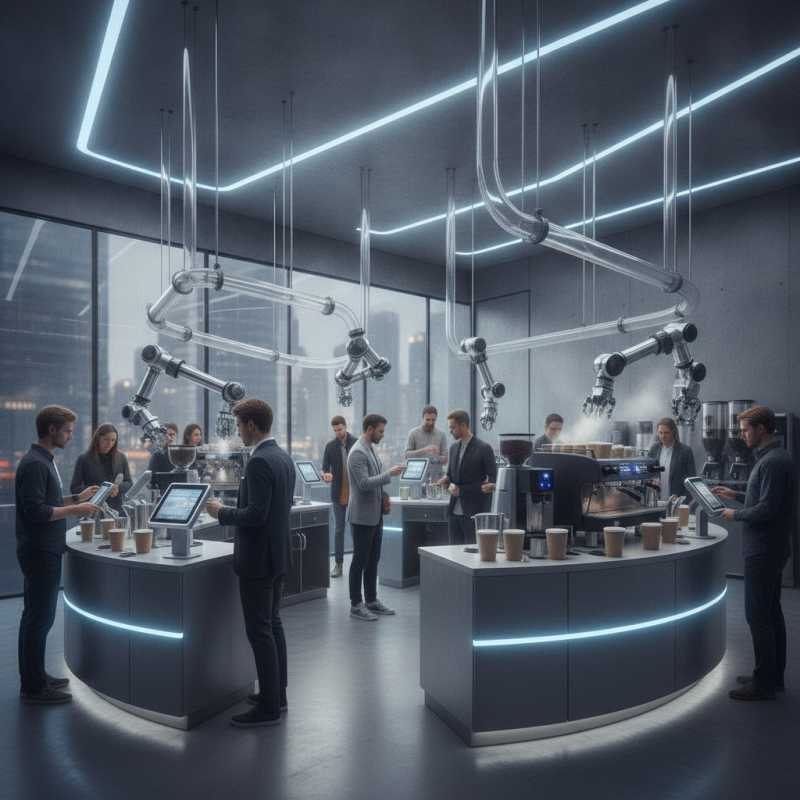
Robotic coffee shops are an emerging trend that blends convenience with technology. These establishments automate coffee preparation using advanced robotics. According to a report from the International Journal of Food Science, the global market for robotic coffee shops is projected to grow by over 30% annually, driven by changing consumer preferences for quick service.
The design of these shops varies, but they generally feature compact setups where machines manage grinding, brewing, and serving. Customers order via apps, reducing wait times significantly. A study from the Coffee Research Institute shows that more than 65% of coffee drinkers appreciate the speed and efficiency these shops offer. However, the reliance on technology can lead to operational challenges, such as maintenance issues or software glitches.
Consumer experiences vary widely. Some patrons enjoy the novelty of robotic service, while others miss personalized human interaction. The balance between automation and customer engagement is crucial for future success. Robotic coffee shops must innovate constantly to meet expectations. They need to reflect not just efficiency but also an understanding of customer preferences.
Benefits of Sourcing from Robotic Coffee Shops
Sourcing from robotic coffee shops offers numerous benefits for businesses. These innovative establishments utilize advanced technology and automation, resulting in consistent quality in their beverages. Robotic systems can operate efficiently, reducing wait times for customers. This is particularly advantageous during peak hours, ensuring customer satisfaction remains high.
One tip for sourcing is to explore partnerships with various robotic cafes worldwide. This can help businesses gain unique insights into different markets. It's important to understand local preferences and adjust offerings accordingly. Additionally, consider the technology used by these shops. Investing in high-quality robotic systems minimizes potential operational issues.
While the benefits are clear, challenges exist. Integrating robotic systems into traditional supply chains can be complex. It's essential to maintain flexibility and adapt to changing consumer demands. Sourcing from different regions may also introduce inconsistent standards. Businesses should be prepared to address these discrepancies proactively.
Identifying Key Suppliers in the Robotic Coffee Industry
The robotic coffee industry is rapidly evolving, driven by innovation and demand for efficiency. Identifying key suppliers is crucial for businesses looking to enter this market. Industry reports indicate that the global coffee market is expected to reach $102.15 billion by 2026, with robotic solutions playing a significant role in this growth.
Robotic coffee shops offer unique advantages. They reduce labor costs and ensure consistent quality. A survey found that over 70% of consumers are willing to try coffee from a robotic barista. However, sourcing from reputable suppliers presents challenges. The technology must be reliable and scalable. Not all suppliers have proven their products in the field.
It's essential to evaluate suppliers based on experience and technology. Look for those with comprehensive support and maintenance plans. Emerging suppliers may have innovative solutions but could lack established reliability. Ensuring consistent quality and customer satisfaction is vital for long-term success in this competitive market. Always analyze supplier performance through customer feedback and case studies. This data-driven approach can highlight strengths and weaknesses, ensuring a more thoughtful selection process.
Evaluating Technology and Innovation in Coffee Robotics
The rise of robotic coffee shops is reshaping how we think about technology in food service. Innovations in coffee robotics focus on customization and efficiency. For many, the experience of sipping a freshly brewed coffee is sacred. Minimalist designs and seamless technology integration can sometimes overlook the personal touch. Evaluating how these machines replicate the artistry of traditional baristas is essential.
As consumers, we must reflect on what makes coffee special. Is it the flavor alone? Or is it the atmosphere and interaction? Some robotic solutions are excellent at maintaining quality control. Yet, they often lack the warmth of human connection. Observing the balance between automation and personalization can help inform future innovations.
When sourcing coffee from robotic shops, assess the technology's ability to adapt to various preferences. Look for systems that offer insights into their brewing processes. Transparency is crucial for building trust. Consumers deserve to know how their coffee is made, even when machines are involved. Exploring these aspects can enhance the coffee experience, making it both innovative and enjoyable.
Navigating Regulatory Considerations for Robotic Vendors
Navigating regulatory considerations for robotic vendors is crucial in the rapidly evolving market of robotic coffee shops. Recent industry reports show that nearly 30% of startups in this sector face regulatory hurdles. Understanding local laws is essential. Guidelines can differ significantly between regions. Compliance not only ensures smooth operation but also builds trust with consumers.
Here are a few tips to keep in mind. Research local regulations related to food service automation. Many regulations address health, safety, and employee rights. Engage with local authorities for up-to-date requirements. This can prevent unexpected shutdowns or fines.
It's important to reflect on the implications of automation. A study by the International Coffee Organization highlights that 45% of consumers prefer baristas for human interaction. Balancing tech and personal touch should be a strategic priority. Remember to consider public sentiment towards automation in your compliance strategies. Engaging with the community can enhance acceptance and mitigate risks.
Global Distribution of Robotic Coffee Shops by Region