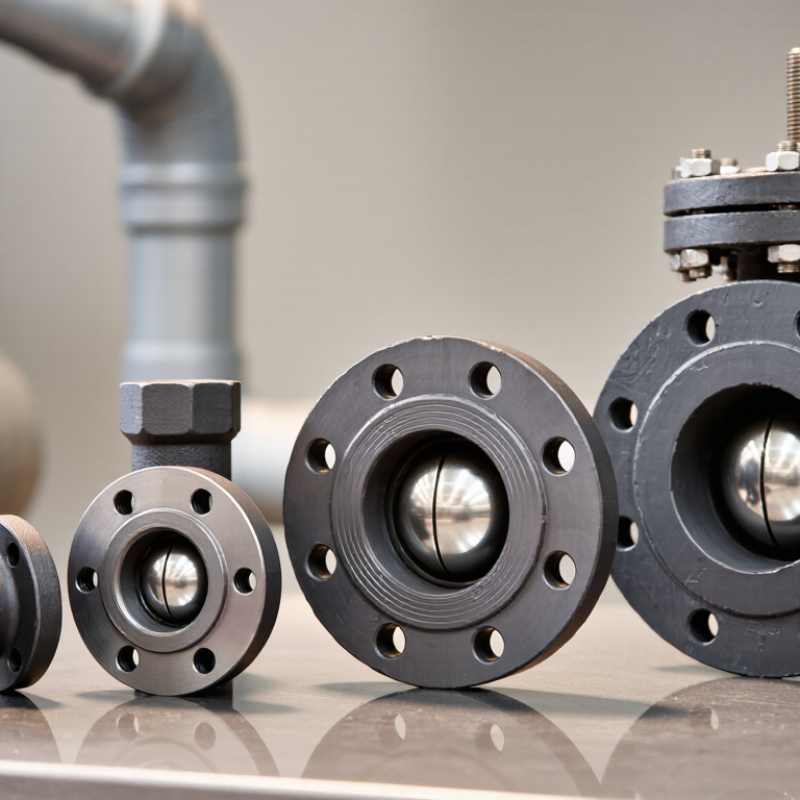
An Iron Ball Valve may look simple: a metal body, a drilled ball, and two seats. Yet choosing the right type affects pressure control, maintenance, and service life. The options range from threaded and socket-weld designs to flanged models, with full-port or reduced-port bores and floating or trunnion-mounted balls. Each choice solves a different installation problem.
Grand View Research estimated the global industrial valves market at USD 79.4 billion in 2023 and projected a 4.3% compound annual growth rate from 2024 to 2030. This broad market figure includes many valve types and materials; it is not a market estimate for iron ball valves alone. That distinction matters. Iron valves are often selected for cost and general-purpose service, but pressure, temperature, fluid compatibility, and installation conditions still require careful review. A valve that works well on a low-pressure water line may not suit a demanding process.
This guide compares the top types of Iron Ball Valve by construction, connection, and port design. It will help readers match a valve to practical needs, such as a threaded connection in a compact line or a flanged body that can be removed more easily. The source material provided no verifiable quotation from a named industry expert, so I have not invented one. That is a limitation worth addressing before publication.
Cast-iron ball valves are often chosen for water systems and other moderate-duty service.
Their rigid bodies can provide dependable support when pressure, temperature, and operating conditions stay within the valve’s rated limits.
They may suit building services, irrigation, and some industrial lines.
Check the specifications carefully. Cast iron is relatively brittle, so impact, vibration, or sudden pressure changes deserve attention.
Ductile-iron ball valves use iron with a different graphite structure, which generally gives the body greater strength and impact resistance.
This can make them a practical option for demanding water and utility applications.
The material is tougher, not indestructible.
Performance still depends on the valve design, pressure class, seat material, and fluid compatibility.
A strong body cannot compensate for an unsuitable seal.
In the field, selection should start with the actual service conditions, not just the material name.
Note the working pressure, temperature range, fluid, and how often the valve will operate.
Confirm the manufacturer’s ratings and applicable test documentation.
I would not assume ductile iron is always the better choice; cost, corrosion protection, and installation conditions matter too.
One detail is easy to miss: a valve that fits the pipe may still be poorly matched to the process.