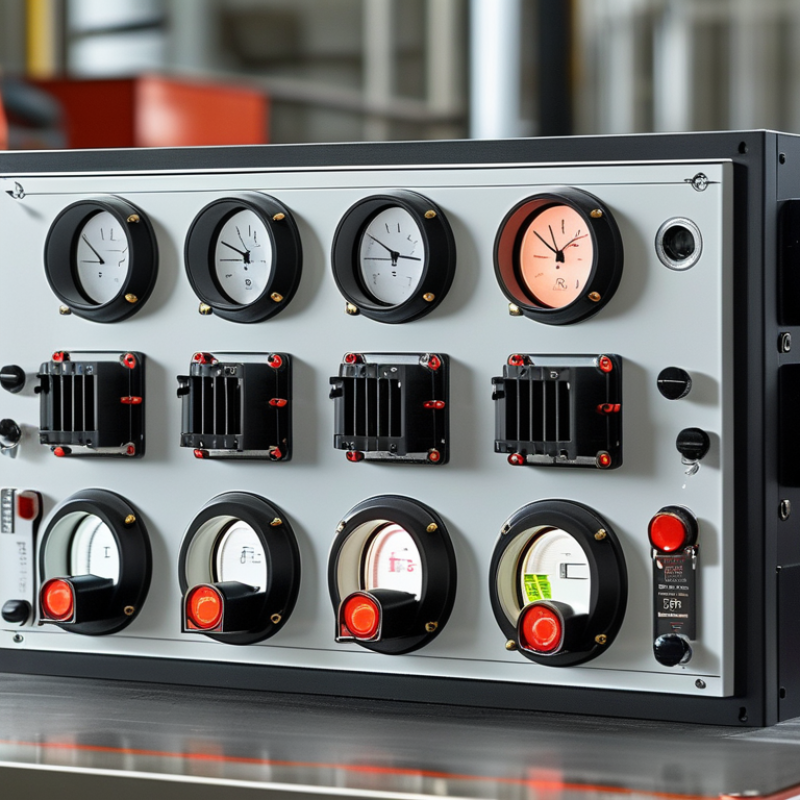
| Definition | A TCU, or Temperature Control Unit, is a machine that heats, cools, circulates, and regulates a heat-transfer fluid connected to a process. | It maintains a stable process temperature and reduces temperature variation during production. |
| Main Heat-Transfer Media | Water, pressurized water, thermal oil, or another compatible process fluid. | The selected fluid determines the usable temperature range, heat-transfer performance, pressure requirements, and safety controls. |
| Heating Method | Electrical resistance heaters transfer heat directly to the circulating fluid. Some systems may use steam or another external heat source. | Heating capacity is selected according to the process load, start-up time, fluid volume, and required temperature. |
| Cooling Method | Cooling may use plant cooling water through a heat exchanger or a mechanical refrigeration circuit with a compressor and condenser. | Cooling-water systems are common where a suitable utility is available; refrigeration is used when lower or more independent cooling is required. |
| Typical Water-Based Range | Approximately 5–180°C, depending on system pressure, fluid design, materials, and manufacturer specifications. | Pressurized water is required for temperatures above the normal atmospheric boiling point of water. |
| Typical Oil-Based Range | Approximately 50–350°C for suitable thermal oils and properly rated equipment. | The actual limit depends on oil properties, oxidation resistance, viscosity, heater design, seals, and system pressure. |
| Temperature Control Accuracy | Commonly about ±0.5 to ±1.0°C under stable operating conditions; some applications require tighter control. | Accuracy is influenced by sensor location, fluid circulation, heat-load changes, insulation, controller tuning, and equipment sizing. |
| Temperature Sensor | Resistance temperature detectors such as Pt100 sensors or thermocouples are commonly used. | The sensor provides feedback to the controller so heating and cooling output can be adjusted automatically. |
| Control Strategy | Closed-loop proportional–integral–derivative control, commonly called PID control. | PID control compares the measured temperature with the setpoint and reduces overshoot and temperature fluctuation. |
| Circulation System | A pump circulates the heat-transfer fluid from the TCU to the process equipment and returns it to the unit. | Adequate flow is necessary for uniform heat transfer and to prevent localized overheating or cooling. |
| Pressure Monitoring | Pressure switches, transmitters, or gauges monitor circulation pressure and system conditions. | Low-flow or abnormal-pressure conditions can trigger an alarm or stop the heater to protect the system. |
| Expansion and Venting | Expansion tanks, automatic vents, or manual air-release arrangements may be used depending on the fluid and temperature range. | These components accommodate fluid expansion and help remove trapped air that could reduce circulation efficiency. |
| Operating Process: 1. Inspection | Check electrical connections, fluid level, hoses, valves, filters, cooling-water availability, and visible leakage. | Pre-start inspection helps prevent dry running, poor circulation, leaks, and unsafe operation. |
| Operating Process: 2. Filling and Venting | Fill the circuit with the specified clean heat-transfer fluid and remove trapped air according to the equipment procedure. | Correct filling and venting improve pump performance and temperature stability. |
| Operating Process: 3. Start Circulation | Start the pump first and verify flow, pressure, and return temperature before enabling heating or cooling. | Flow verification protects the heater and ensures that heat is transferred evenly. |
| Operating Process: 4. Set Temperature | Enter the required setpoint on the controller, confirm the control mode, and check alarm limits. | The setpoint should remain within the rated range of the TCU, fluid, hoses, seals, and process equipment. |
| Operating Process: 5. Heat or Cool | The controller energizes the heater when the process is below the setpoint and activates cooling when the process is above the setpoint. | The system continuously adjusts output to maintain the target temperature. |
| Operating Process: 6. Stabilization | Allow the outlet and return temperatures to stabilize before starting temperature-sensitive production. | Stabilization reduces process variation caused by thermal inertia and changing heat loads. |
| Operating Process: 7. Monitoring | Monitor setpoint, actual temperature, flow, pressure, fluid level, alarms, and process return conditions. | Regular monitoring identifies blocked filters, pump problems, leaks, sensor faults, or insufficient cooling capacity. |
| Operating Process: 8. Shutdown | Disable heating or cooling as required, allow the fluid to reach a safe temperature, continue circulation for the recommended cooldown period, and then stop the pump. | Controlled shutdown protects components from thermal shock and prevents residual heat from damaging the fluid or connected equipment. |
| Common Applications | Plastic processing, die and mold temperature control, extrusion, chemical processing, food processing, pharmaceutical production, laboratory systems, and composite manufacturing. | TCUs are used wherever a process requires controlled and repeatable heating or cooling. |
| Key Safety Protections | High-temperature cutoff, low-flow protection, low-fluid-level protection, overpressure protection, pump overload protection, sensor-failure alarm, and emergency stop functions. | Protection devices help prevent overheating, dry running, pressure-related damage, electrical faults, and unsafe process conditions. |
| Maintenance Requirements | Inspect hoses and connections, clean filters and heat exchangers, verify sensors, check pump performance, test alarms, and replace or condition the process fluid when required. | Routine maintenance preserves heat-transfer efficiency, measurement accuracy, reliability, and service life. |