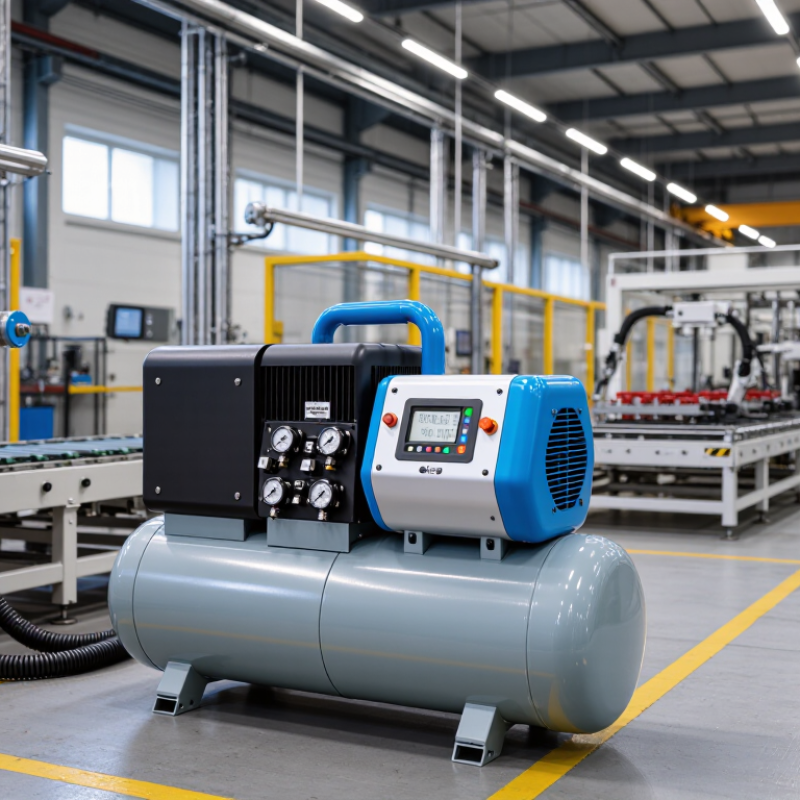
A digital air compressor uses electronic controls to monitor and manage compressed-air production. The term usually describes its control system, not a different compression method.
Sensors can track pressure, temperature, and operating status. A controller compares readings with configured limits and adjusts operation or signals an alarm. The display may show pressure in real time, operating hours, and fault codes.
Small details matter. A digital screen alone does not guarantee accurate readings or lower energy use.
In a workshop, an operator might set a target pressure and check whether the system holds it during a busy shift. Stored run data can help reveal frequent starts or unexpected pressure drops. Some systems also support remote monitoring, though features vary.
It is easy to overvalue a polished display; the sensor and its calibration matter more. Filters clog. A digital control cannot fix a blocked intake or an undersized air line.
Check that the compressor’s pressure range, capacity, and maintenance alerts fit the tools and workload it will serve. Even useful readings need context: a brief pressure dip during tool use may be normal, while a repeated drop deserves investigation.